Skin Care
Skin care between seasons: how should you change your routine?

In short
Skin care between seasons isn't about overhauling your routine; it's about adjusting the texture and richness of your products to the new climate. In fall and winter you move to more nourishing products that support the moisture barrier, and in spring and summer to lighter textures and more frequent sun protection. Spreading the changes over a few weeks helps your skin keep its balance.
When the weather starts to cool or warm up, many people notice their skin suddenly behaving differently: the cream that felt fine yesterday isn't enough today, and skin that was trouble-free all summer starts to feel tight in the fall. In this post we explain what happens to your skin between seasons, how to adapt your routine, and what to watch for in Istanbul's changeable climate.
Why do seasonal changes affect the skin?
Seasonal changes affect the skin because shifts in temperature, humidity, and sun intensity directly influence how much water your skin loses and how much oil it produces. Your skin can take a few weeks to adjust to new conditions, and during that time sensitivity, dryness, or oiliness can temporarily increase.
- Falling humidity: Cold air and indoor heating can speed up your skin's water loss.
- Temperature swings: Moving back and forth between the cold outdoors and warm indoors can increase the tendency to redness.
- Sun intensity: The stronger sun of spring and summer adds risk for the look of dark spots and for sensitivity.
- Wind: Especially in coastal cities, wind can wear down the protective layer on the skin's surface.
- Lifestyle changes: Returning from vacation, a demanding work schedule, and changes in diet also show in how your skin looks.
What is the moisture barrier, and why does it matter more at this time?
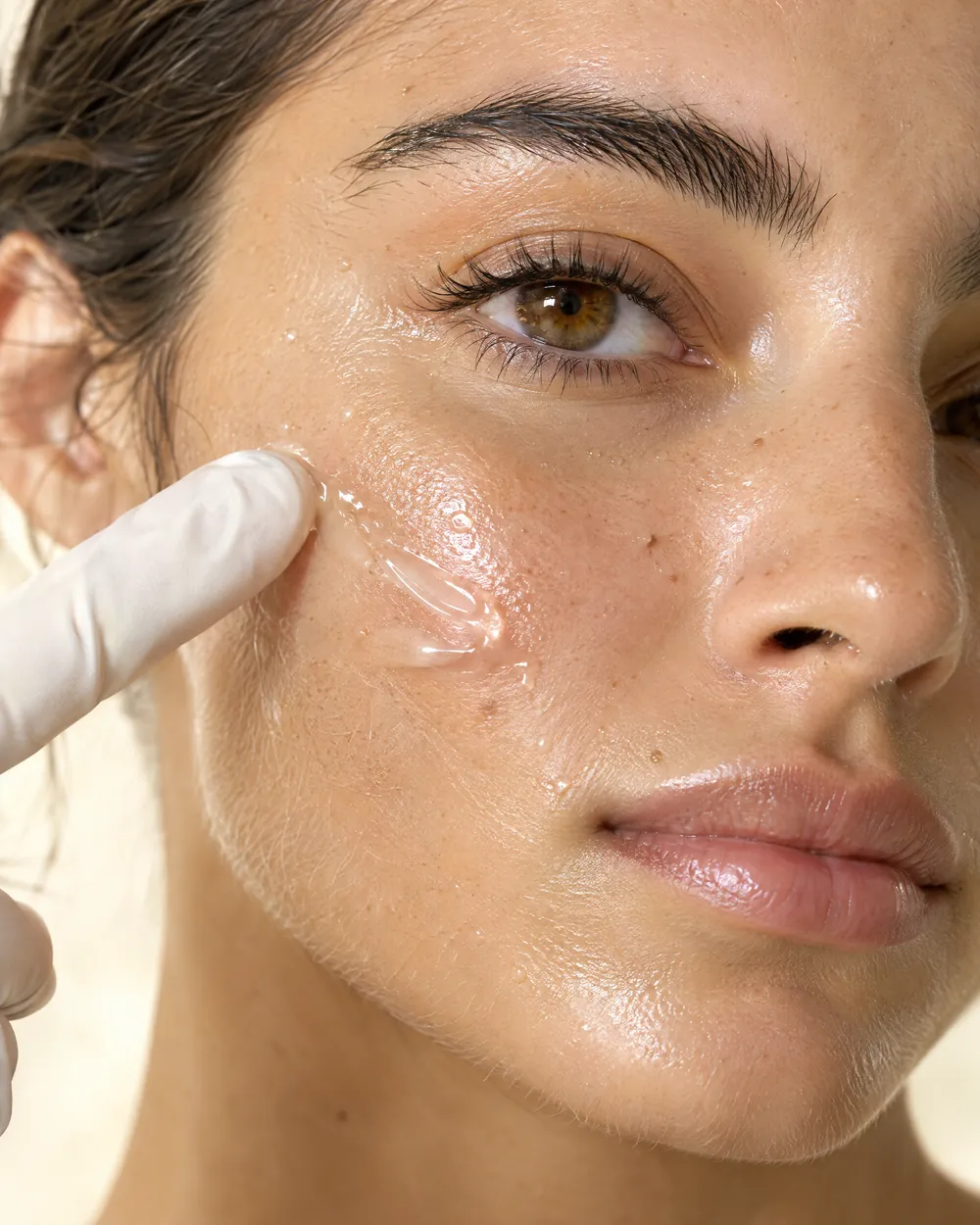
The moisture barrier is the structure in the topmost layer of your skin that limits water loss while protecting against outside factors. It's the area under the most strain during seasonal changes, and skin with a strong barrier reacts more calmly to shifts in climate.
When the barrier weakens, the skin shows it through tightness, flaking, stinging, redness, and increased sensitivity to products. The biggest mistake you can make at this point is trying to fix these signs with more peels or more active ingredients. A worn barrier needs a simplified routine and regular moisture support first.
When the season changes, don't tear down your routine; give your skin time and moisture to get used to the new weather.
What should a fall and winter skin care routine look like?
The main goal of a fall and winter routine is to keep the skin moisturized and support the barrier. Gentler cleansers, more nourishing moisturizers, and regular sun protection take the lead during this time.
- Soften your cleanser: Swap foaming, drying gels for cream or milk cleansers.
- Layer moisture: Follow a hydrating toner or serum with a richer cream.
- Avoid hot water: Very hot water strips the skin's natural oils and can increase dryness.
- Exfoliate less often: More than one exfoliating session a week can tire the skin at this time of year.
- Don't drop sunscreen: Winter sun reaches your skin too; use it every day, especially if you're prone to dark spots.
- Give your lips and eye area extra attention: These areas are thin, so the cold affects them more quickly.
Because heaters dry out indoor air, using a humidifier in the bedroom and drinking enough water during the day can also help. If you have oily skin, you don't need to move to heavy creams even in winter; a light but more hydrating gel cream is often enough.
How should your routine change for spring and summer?
In spring and summer the routine gets lighter and sun protection moves to the center. As heat and humidity rise, the skin produces more oil and sweat, so heavy creams give way to light, quick-absorbing textures.
- Replace rich creams with light gel or lotion moisturizers.
- Apply broad-spectrum sunscreen every morning, and reapply every two to three hours if you're outdoors.
- Don't skip your evening cleanse, given sweat and city grime; double cleanse if needed.
- During periods of strong sun, review the powerful active ingredients you use at home with your specialist.
- A light serum with antioxidant support can be added to your morning routine.
Which products should change with the seasons?
The products that should change with the seasons are mostly those where texture and richness matter, such as cleansers, moisturizers, and masks. Sunscreen stays in your routine in every season; only its form may change.
| Routine step | Fall / Winter | Spring / Summer |
|---|---|---|
| Cleanser | Creamy, milk, or oil-based, gentle | Light gel or light foam |
| Toner / Essence | Hydrating and soothing | Refreshing, light |
| Serum | Supports moisture and the barrier | Light, with antioxidant support |
| Moisturizer | Richer cream | Gel cream or lotion |
| Sunscreen | Every day, in moisturizing formulas | Every day, reapplied during the day; light or matte formulas |
| Mask | Moisturizing and nourishing masks | Clay or purifying masks (depending on skin type) |
| Exfoliation frequency | Less often and gentler | Depending on skin type, keeping sun sensitivity in mind |
It's important to spread product changes over a few weeks rather than making them all at once. Changing one product a week makes it easier to track how your skin responds and to work out which product is behind any sensitivity.
How does Istanbul's climate affect your skin?
Istanbul's position between two seas means high humidity, strong winds, and weather that shifts quickly within a day, which puts extra strain on the skin during seasonal changes. When the lodos (the warm southwesterly wind) or the poyraz (the cool northeasterly wind) blows, your skin can feel damp and oily one day and tight and dry the next.
In heavy-traffic areas such as Nişantaşı and Şişli, city pollution can also build up on the skin's surface and add to dullness and the look of pores. That's why, if you live in Istanbul, it's especially important not to skip your evening cleanse, to use a barrier-supporting cream on windy days, and to keep up with sunscreen even in the humid summer months.
How do you protect your lips, hands, and neck between seasons?
Your lips, hands, and neck are affected even faster than your face during seasonal changes, yet they're often forgotten in skin care. The skin in these areas is thinner, and the lips have no oil glands, so cracking and flaking can easily appear with cold and wind.
- Lips: Apply a nourishing lip balm several times a day, switch to options with sunscreen in summer, and avoid licking your lips.
- Hands: Use hand cream after every wash; add gloves in cold weather and sunscreen on the backs of your hands in summer.
- Neck and décolleté: Extend your facial routine, including moisturizer and sunscreen, down to your neck and décolleté.
- Eye area: Because this area is thin and sensitive, choose a lighter cream made for the eye area instead of your face cream.
The same logic applies to the skin on your body. In winter, shortening your showers, using lukewarm water, and applying body lotion right after showering, while your skin is still slightly damp, helps hold in moisture. In summer, light lotions and regular sun protection on exposed areas take priority. These small habits help all of your skin feel more comfortable and balanced between seasons.
What are the common mistakes between seasons?
The most common mistake is taking your skin's temporary reactions for a lasting problem and changing your whole routine at once. That tires the skin even more and lengthens the time it needs to rebalance.
- “You don't need sunscreen in winter.” Sunlight reaches the skin in winter too and can contribute to the look of dark spots.
- “If my skin is drying out, I should exfoliate more.” Flaking is often a sign of a tired barrier; moisture comes first.
- “Oily skin should stick with the same products in winter.” Oily skin can also become dehydrated in winter and may need moisture support.
- “A hot shower soothes the skin.” Very hot water reduces the skin's natural oils and can increase tightness.
- “New season, new product set.” Changing every product at the same time makes it harder to find the source of any reaction.
When should you consider professional care between seasons?
The change of seasons is one of the times when professional care makes the most sense, because it prepares your skin for the new period. Especially at the end of summer, on skin tired from sun and salt, care that combines moisture support with gentle renewal supports the skin's return to balance.
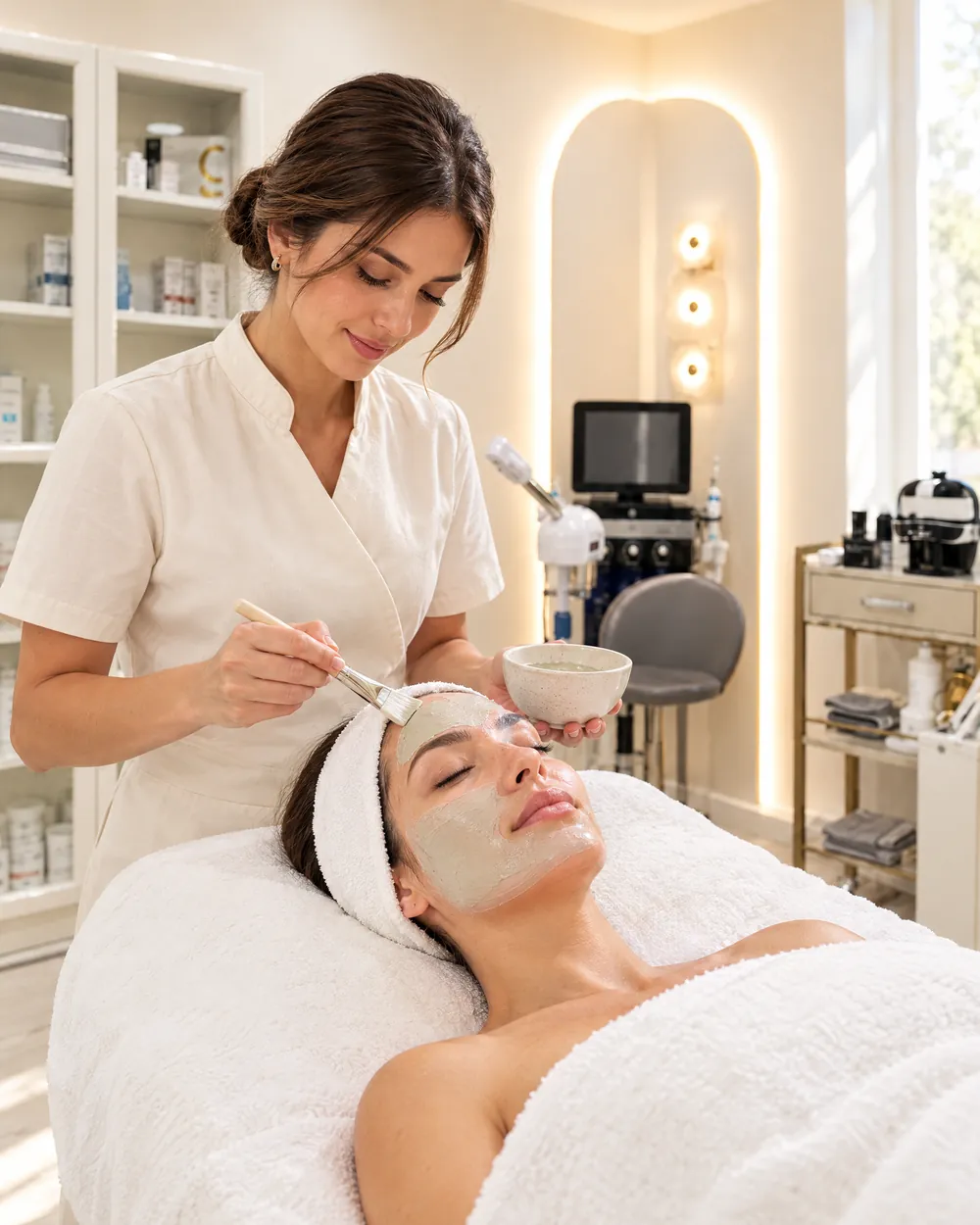
At Vega Beauty, care between seasons starts with a consultation and a skin analysis. Depending on what your skin needs at that point, options such as the Moisture Facial or Hydrafacial are considered. Hydrafacial cleanses the skin with a vacuum-assisted spiral tip and then applies serum, so cleansing and moisture support come together in a single session. After these sessions, held in our private rooms, we also prepare a home routine for the new season, tailored to you.
If you have redness that won't go away, intense itching, cracking, or oozing, these may be signs of something skin care can't account for; in that case, we recommend seeing a dermatologist first.
Frequently asked questions
When should I change my routine between seasons?
You can start when the temperature and humidity begin to change noticeably, watching how your skin responds. Tightness, flaking, or increased oiliness are usually the first signs. Spreading the changes over two to three weeks and swapping one product a week makes it easier for your skin to adjust.
Do I really need sunscreen in winter?
Yes. Sunlight reaches the skin in the winter months too and can contribute to uneven tone, especially on skin prone to dark spots. Snow and clear skies can increase reflection. Moisturizing sunscreens are a good choice for winter; what matters is using one regularly, every day.
My oily skin gets dry in winter. Is that normal?
Yes, this is quite common. Oily skin can also lose water because of cold air, wind, and indoor heating. When that happens, skin can look shiny and feel tight at the same time. Cutting back on drying products and adding a light but hydrating gel cream supports balance for most people.
Which professional care suits the change of seasons?
The right care depends on what your skin needs at that time. A Moisture Facial may be considered for skin that's losing moisture, and Hydrafacial for skin that wants both cleansing and moisture support. At Vega Beauty, the right option is planned for you individually, based on the skin analysis at your consultation.
When is redness between seasons a cause for concern?
Mild pinkness that settles within a few days is often a temporary reaction to a change in climate. However, redness lasting for weeks, burning, intense itching, oozing, or crusting may need medical evaluation. In that situation, we recommend seeing a dermatologist before any care plan.
Which season is hardest on skin in Istanbul?
This varies from person to person. Windy, cold winter months can be harder on dry and sensitive skin, while humid, hot summer months can be harder on oily skin. The real challenge is often the sudden weather change during transition periods; keeping your routine flexible at these times helps your skin adapt.
Is it a good idea to exfoliate between seasons?
A gentle peel can support a livelier look on skin that has turned dull between seasons, but how often you do it and how strong it is both matter. In cold, windy periods skin is more sensitive, so peels should be less frequent and always followed by moisture support. For skin tired from summer sun, a few weeks of rest and moisture come first, followed by gentle renewal.
Published: · Vega Beauty editorial team. This article is general information and does not replace a medical diagnosis or advice; whether a service suits you is assessed at your consultation. Cover photo: Dana Tentis / StockSnap (CC0).