Skin Care
Why does your skin look dull? Winter's lost glow and where Oxygeneo fits in
In short
Dull-looking skin is often not problem skin but a surface that can't reflect light evenly. Dead cell buildup, moisture loss, uneven tone, and fatigue all feed this look, and dry winter air makes it more obvious. The first step is getting moisture and the barrier back in order; if needed, a facial with gentle exfoliation such as Oxygeneo can be added to your program.
When November comes, we hear the same sentence often at our center: “There's nothing wrong with my skin, but its glow is gone.” There's no acne and no obvious spot, yet the face looks tired and grayish, as if you couldn't leave the house without foundation. This article explains where dullness comes from, what you can fix at home, and what a facial like Oxygeneo can and can't do.
What exactly is dull skin?
Skin that looks radiant is skin that reflects the light falling on it evenly. When the surface becomes rough, the tone turns uneven, or the top layer is dehydrated, light scatters and the face looks matte. That's why dullness doesn't count as a skin type; it describes the condition of your skin's surface at that time. It can occur in oily, dry, or combination skin, and it usually improves with the right steps.
Why does skin turn dull, and what are the most common causes?
Dullness often has more than one cause. The table below can help you match what you see in the mirror with a possible cause.
| Possible cause | How it looks in the mirror | First step |
|---|---|---|
| Dead cell buildup on the surface | Rough texture, makeup that won't sit well on the skin | Gentle, measured exfoliation |
| Moisture loss | Tightness, fine dryness lines | Moisture and barrier support |
| Uneven tone | Grayish or darker areas in places | Sunscreen every morning |
| Lack of sleep and fatigue | Pale face, shadows around the eyes | A sleep schedule and a simple routine |
| Smoking | Pale, grayish tone | Quitting or cutting back |
| Too many products and too much exfoliation | A surface that's both matte and sensitive, and reddens easily | Simplifying your routine |
| Slower renewal with age | Glow doesn't come back as easily as it used to | A regular care program |
Why does skin look more matte in winter?
In winter, skin is under pressure from two sides. Outdoors there's cold and wind, and indoors there's air warmed by radiators. As air warms, relative humidity drops and water loss from the skin's top layer increases. When the top layer is dehydrated, the regular shedding of dead cells can also falter; the surface roughens, fine dryness lines become more visible, and light scatters.
Long hot showers and washing your face with hot water work in the same direction. Add shorter days, hours spent indoors, and the sunscreen many people drop in winter, and by spring the face can take on a grayish, uneven tone. So the matte look you see in winter usually comes not from one missing product but from the season's conditions as a whole.
How do you build a simple routine at home to bring back your glow?
With dull skin, getting the order right works better than adding more products. The five steps below are a good enough start for most skin.
- Soften your cleansing: Use lukewarm water and a cleanser that doesn't leave your skin tight; hot water and harsh foams strain the barrier.
- Layer your moisture: Apply a hydrating serum to slightly damp skin, then top it with a cream that's a little richer for winter.
- Keep exfoliation moderate: If your skin is used to it, gentle exfoliation once or twice a week is enough; if you have tightness or redness, skip this step for a while.
- Add an antioxidant in the morning: If your skin tolerates it well, a vitamin C serum can help support an even tone.
- Don't give up sunscreen: Keep it as the last step of your routine in winter and on cloudy days too.
What does Oxygeneo do for dull-looking skin?
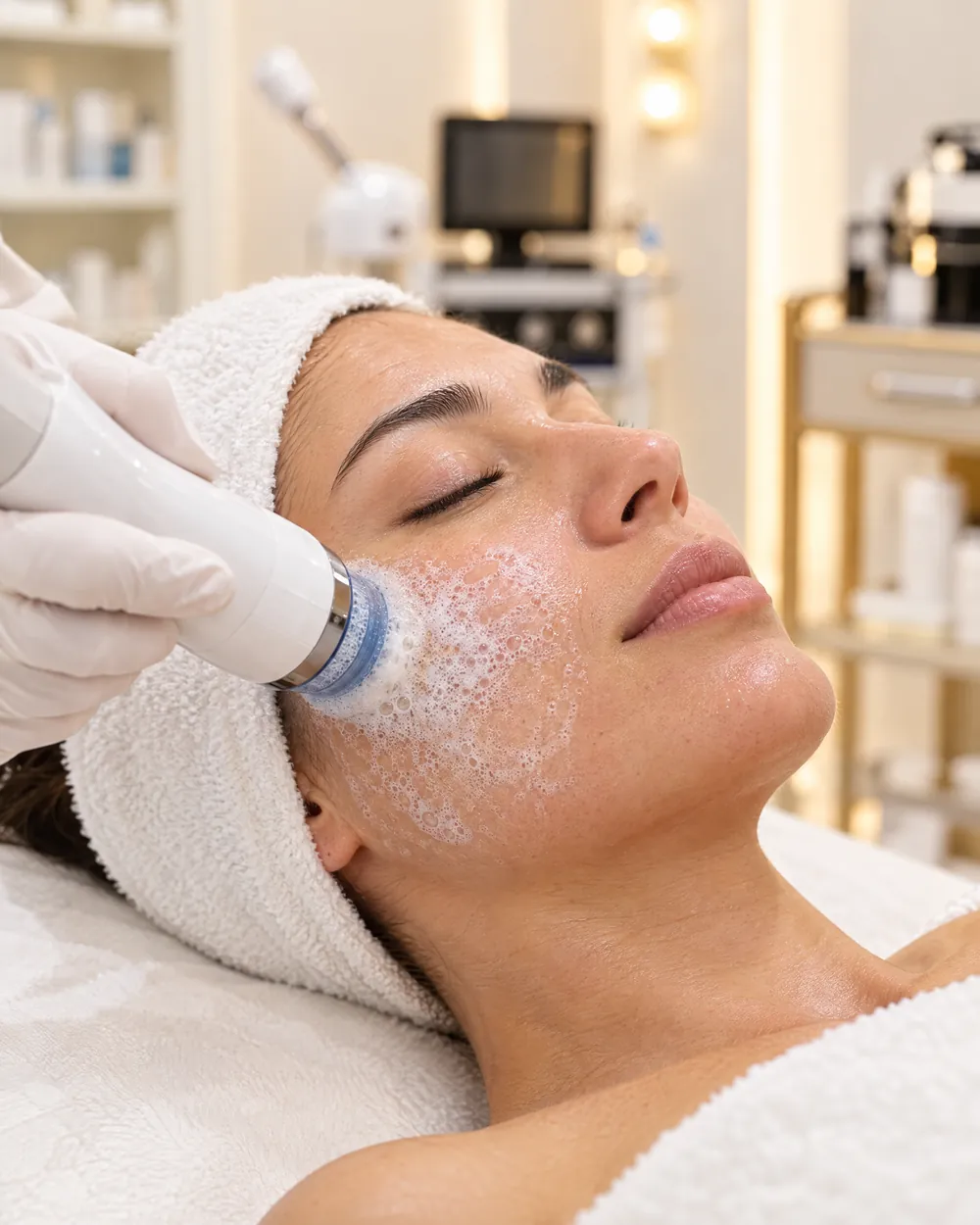
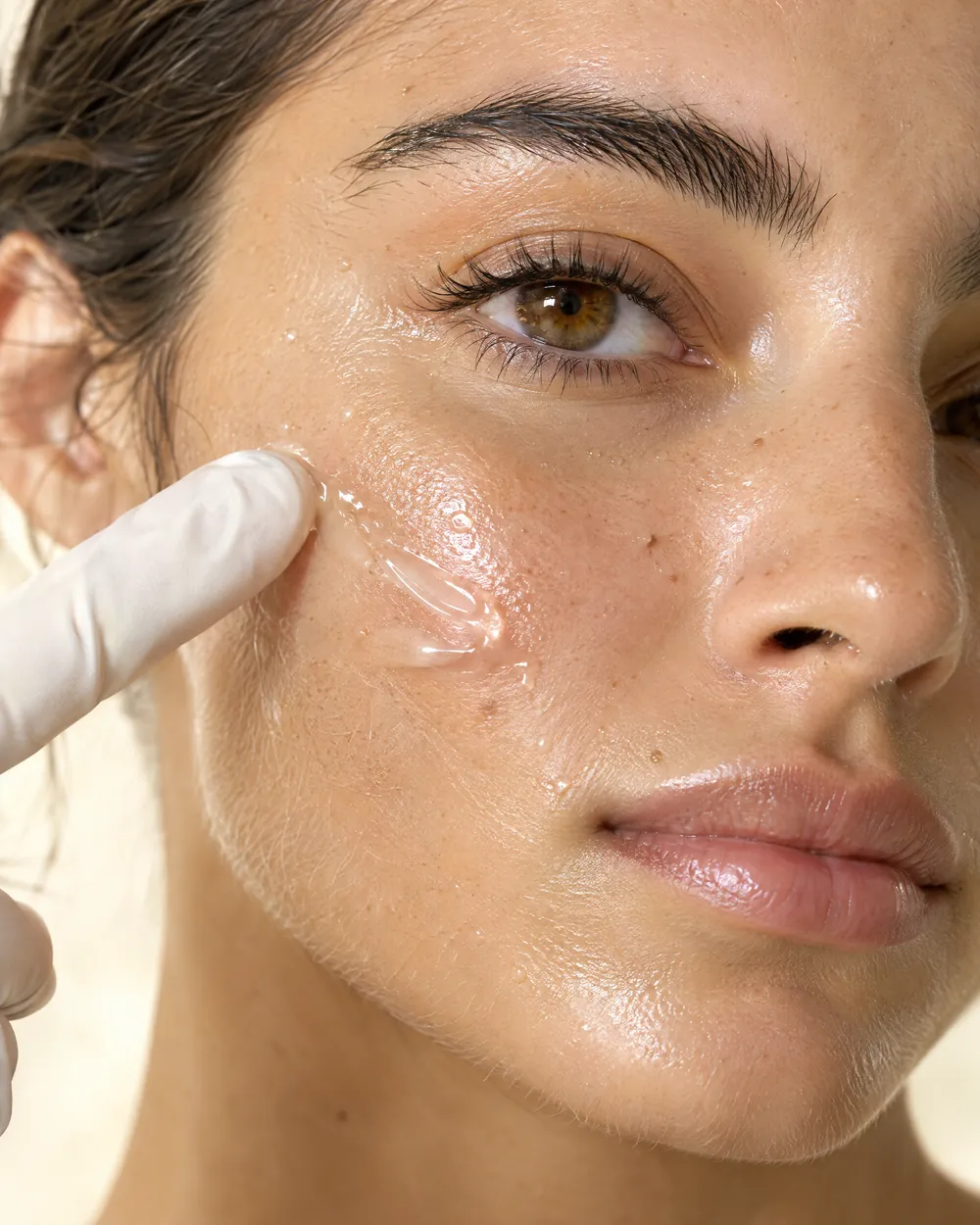
Oxygeneo is a facial of about 40–50 minutes that combines gentle exfoliation, an oxygenation effect on the skin's surface, and serum infusion in a single handpiece. As a gel capsule creates bubbles on the skin's surface, dead cells are gently removed. In the final step, serums chosen for your skin's needs are applied with ultrasound assistance. Redness is generally not seen after the session, and you can return to your social life the same day.
For dull skin, this means it smooths the rough surface and prepares a base that reflects light more evenly. You may notice a feeling of liveliness after one session; changes in texture are generally assessed over a program of 4–6 sessions spaced 3–4 weeks apart.
It's also worth reading the word “oxygenation” correctly. It describes the effect the bubbles create on the skin's surface; it doesn't mean your skin is being filled with oxygen from outside. The main factors that make your skin look rested are a renewed surface and the right choice of serum.
Which facial suits dull skin?
Dullness may look the same but have different sources, and the choice of facial changes accordingly. At our center, we make this decision together after a skin analysis.
| Skin condition | Suggested facial | Why? |
|---|---|---|
| Rough and matte, with uneven tone | Oxygeneo | Gentle exfoliation and a focus on glow |
| Matte with clogged pores, combination or oily | Hydrafacial | Vacuum-assisted cleansing and hydration |
| Tight, dehydrated, dries out easily in winter | Moisture Facial | Moisture and barrier support first |
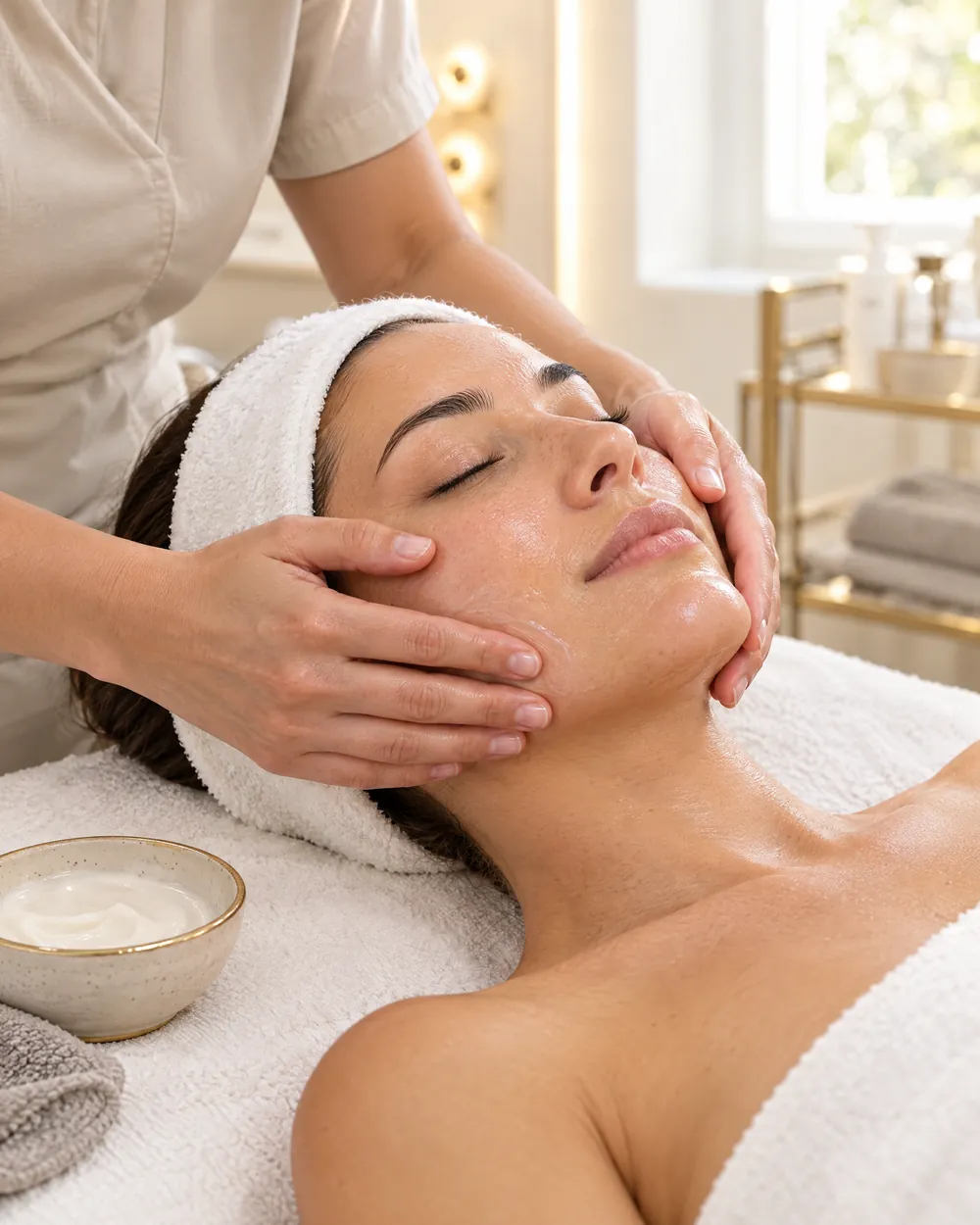
| Hasn't had a facial in a long time and needs cleansing | Classic Facial | Basic cleansing, massage, and relaxation |
These facials shouldn't be seen as rivals. In winter, restoring the skin with a Moisture Facial first and then moving on to an Oxygeneo program is a more comfortable path for many of our clients. If you have an important event or photo shoot coming up, don't leave a facial you're trying for the first time to the last day; allow at least a few weeks to see how your skin responds.
Glow doesn't come from a product; it shows on its own as the surface improves.
What are the common misconceptions about dull skin?
- “The more you exfoliate, the brighter your skin.” Too much exfoliation strains the barrier. The result is often skin that's duller and more sensitive.
- “You don't need sunscreen in winter.” UVA rays reach the skin in winter and on cloudy days too. Over time, uneven tone becomes part of the dull look.
- “Oily skin can't be dull.” Surface buildup can create a matte look on oily skin too. Shine and glow aren't the same thing.
- “If I drink plenty of water, my skin will glow.” Drinking water matters for your health, but the moisture in the top layer depends largely on the barrier and your environment.
- “A brightening serum is enough on its own.” Without moisture, sun protection, and a regular sleep schedule, a serum may not have the expected effect.
When should you talk to a doctor?
Dullness is usually a skin care matter, but some signs can point beyond the skin. In the following cases, we recommend talking to a doctor before planning any facial.
- Your pale look comes with marked weakness, getting tired easily, shortness of breath, or hair loss.
- You've noticed yellowing of your skin or the whites of your eyes.
- Redness, flaking, or itching hasn't gone away for weeks.
- You've seen a mole or spot change in shape, color, or size.
- You're not sure which products to choose because of pregnancy, breastfeeding, or prescription medication.
At our center in Nişantaşı, rather than picking a facial for dull-looking skin right away, we start with a brief skin analysis and look together at your hydration, tone evenness, and the products you use. For conditions such as active rosacea or eczema, we recommend getting a doctor's opinion first. Vega Beauty is a beauty and care center; if we see anything that calls for medical evaluation, we'll refer you to a doctor.
Frequently asked questions
Why did my skin suddenly turn dull?
The most common causes are moisture loss, lack of sleep, a busy schedule, seasonal change, and changes to your routine. If your pale look comes with marked weakness or shortness of breath, we recommend talking to a doctor.
Why does skin look more matte in winter?
Cold air and radiator-heated indoor spaces lower the humidity in the air, and water loss from the skin's top layer increases. The dehydrated surface roughens and can't reflect light evenly. Hot showers and dropping sunscreen can add to this look.
Is Oxygeneo suitable for dull skin?
It's a frequent choice for skin that looks dull, tired, and rough. The capsule and serums are selected for your skin. If your skin is tight and dehydrated, starting with a Moisture Facial may be more suitable; we make this decision together at your skin analysis.
Does Oxygeneo make a difference in one session?
You may notice a feeling of liveliness after one session. Changes in texture take time; a program of 4–6 sessions spaced 3–4 weeks apart is generally recommended. The number of sessions is set at your consultation, based on your skin.
Can I exfoliate dull skin at home?
If your skin is used to it, gentle exfoliation once or twice a week is enough. If you have tightness, burning, or redness, stop exfoliating and restore moisture first. Don't use more than one acid product at the same time.
Does drinking water make skin glow?
Drinking enough water matters for general health, but it doesn't create a glow by itself. The moisture in the top layer depends largely on the condition of your barrier, the products you use, and your environment.
Published: · Vega Beauty editorial team. This article is general information and does not replace a medical diagnosis or advice; whether a service suits you is assessed at your consultation.