Longevity
Neck and décolleté care: why this overlooked area can age sooner than your face
In short
The neck and décolleté (your upper chest) have thinner skin than the face, fewer oil glands, and often go without sun protection, so fine lines, laxity, and dark spots can show up here sooner than on the face. Over the long term, the steps that do the most are daily sun protection, extending your face routine down to the neck and décolleté, and gentle moisture support. This area can also be included in the plan for professional facials.
Many people's skincare routine ends at the chin. Cleanser, serum, moisturizer, and sunscreen go carefully on the face, while the neck and décolleté are either forgotten or rushed through with the last few drops left on your hands. Over the years, the mirror shows the result: on someone with a well-kept face, the neck and décolleté can give away the skin's age more plainly. In this article we take a longevity approach to why skin on the neck and décolleté ages differently, what kind of routine to set up at home, and how professional care handles this area.
How is neck and décolleté skin different from facial skin?
Skin on the neck and décolleté is thinner than facial skin and has fewer oil glands. Fewer oil glands mean the skin forms a weaker protective oil layer and loses moisture faster. The neck is also in motion all day: every time you tilt or turn your head, the skin folds and stretches.
These structural differences make the neck and décolleté more vulnerable both to visible aging and to products. An active ingredient your face tolerates easily can cause redness and stinging more readily on the neck. So care for this area should be an extension of your face routine, but at a gentler dose.
What speeds up visible aging in this area?
Visible aging on the neck and décolleté doesn't come down to one cause. Sun, habits, and structural differences all play a part.
- Unprotected sun: The V of the décolleté and the sides of the neck are among the areas most exposed to the sun in summer and winter alike, yet they often get no sunscreen.
- A routine that ends at the chin: When moisture and sun protection go only on the face, the neck and décolleté go without support for years.
- Posture habits: Looking down at phones and screens for long periods can deepen the horizontal crease lines on the neck.
- Sleep position: Sleeping on the same side every night can contribute to vertical lines on the décolleté.
- Perfume meeting sunlight: Some fragrance ingredients can cause skin discoloration when combined with sunlight, and perfume is often sprayed right on the sun-exposed neck.
- Hormonal changes: Collagen and moisture loss speed up around menopause, and this change can be more visible on thin neck skin.
What concerns are most common on the neck and décolleté?
The table below summarizes the concerns we see most often in this area, their possible causes, and what care focuses on.
| Concern | Possible causes | Care focus |
|---|---|---|
| Horizontal neck lines | Movement, forward-leaning posture, moisture loss | Moisture support, regular sun protection, posture awareness |
| Vertical décolleté lines | Side sleeping, thin skin | Moisture, sleep position, gentle care |
| Dark spots and uneven tone | Sun exposure built up over the years, perfume plus sun | Daily sun protection, care focused on glow and a brighter look |
| Visible laxity | Collagen decline with age, rapid weight change | Long-term moisture and collagen support, massage techniques |
| Dryness and rough texture | Few oil glands, winter air, hot showers | Barrier-supporting moisture, gentle cleansing |
How do you set up a neck and décolleté routine at home?
You don't need a separate, complicated routine for the neck and décolleté. For most people, it is enough to deliberately extend your face routine downward. You can start with these five steps:
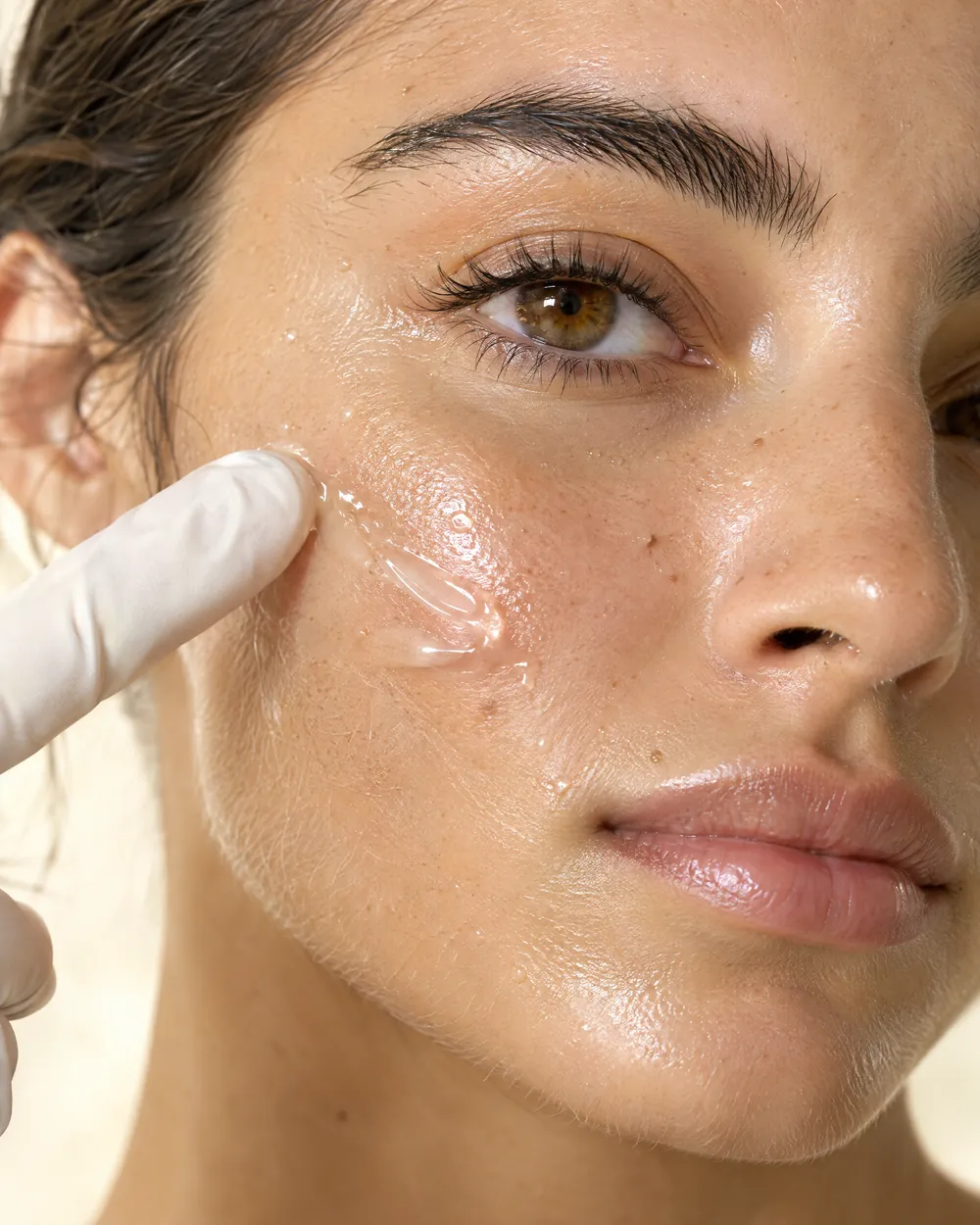
- Cleansing: When you cleanse your face, take the gentle cleanser down to your neck and décolleté too, and avoid harsh, foaming products.
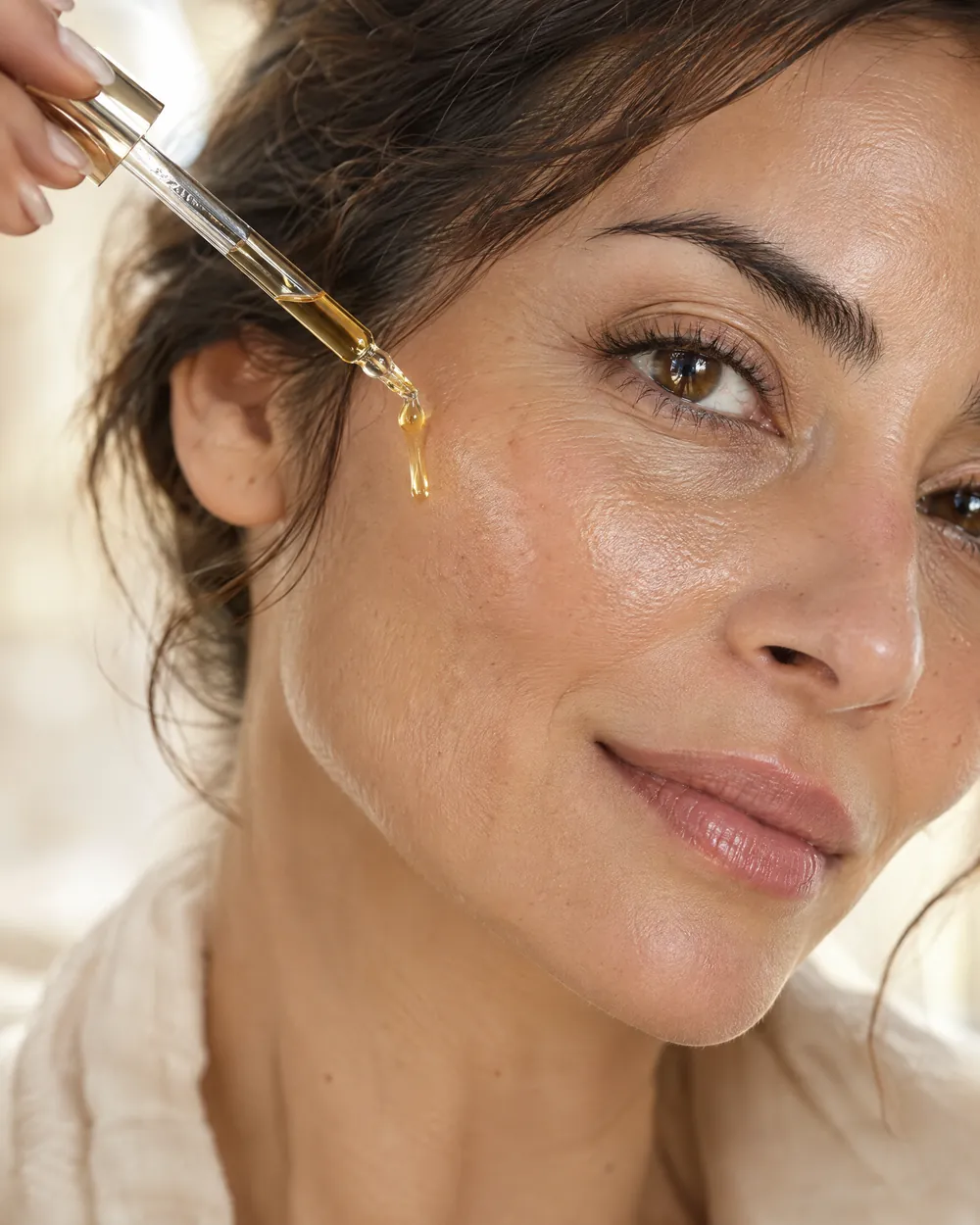
- Moisture: Apply enough moisturizer from your face to your neck, then on to your décolleté. Don't settle for what's left on your hands.
- Sun protection: Every morning, apply a separate, sufficient amount of sunscreen to your neck and décolleté, and reapply during the day if you are outdoors for a long time.
- Active ingredients: If you use retinol or acids, start here gradually and less often than on your face.
- Light massage: As you apply products, use gentle upward movements on your neck, without pressing or stretching the skin.
Can you use retinol and acids on the neck and décolleté?
Yes, but with more caution. Thin neck skin with few oil glands can react to retinol and acids more readily than your face, and redness, stinging, and flaking are more common. That is why people usually start with a few nights a week, slowly increase frequency based on how the skin responds, and keep up moisturizing on the nights they use an active.
If you use a prescription retinoid on a doctor's advice, ask your doctor whether to apply it to your neck and décolleté. Our blog article on active ingredients and routine order can guide you on how to sequence and combine actives.
How are the neck and décolleté handled in professional care?
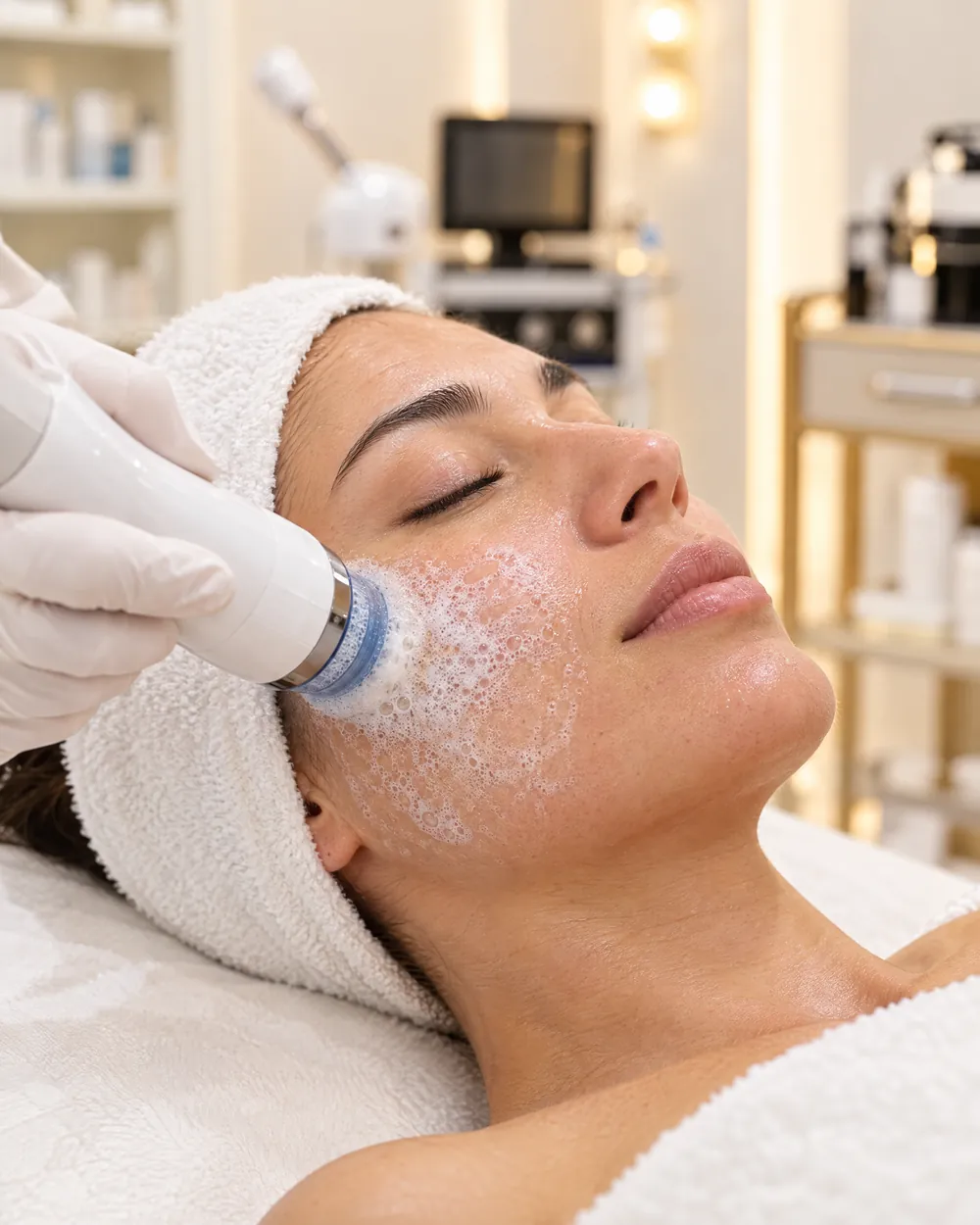
In many professional facials, the cleansing, mask, and massage steps can extend to the neck and décolleté. In the Anti-Aging Facial, antioxidant and moisturizing serums are applied along with massage techniques that have a lifting effect, while the Moisture Facial gives intensive moisture support to dehydrated, tight-feeling skin. Device-assisted services such as the Oxygeneo Facial bring out glow and a sense of renewal in skin that looks dull and rough.
Which facials include the neck and décolleté, and to what degree, is decided at the initial consultation according to this area's sensitivity and needs. Mentioning your expectations for your neck and décolleté when you book makes it easier for us to shape the session around them.
How much difference do posture and sleep habits make?
Habits alone won't erase lines, but they can help reduce the effect that builds up over the years. Bringing your screen closer to eye level and not dropping your head too far forward when looking at your phone reduces creasing on the neck. Changing positions instead of sleeping on the same side every night, or sleeping on your back if you can, may slow the deepening of vertical lines on the décolleté.
Spraying perfume on your clothes or on areas that don't see the sun, instead of directly on your sun-exposed neck, is another small but meaningful change.
At what age should you start neck and décolleté care?
There is no such thing as too early for sun protection, the most important step in neck and décolleté care. Regular protection started in your twenties makes the biggest difference in later years. Extending your moisture routine to the neck is suitable at any age. Active ingredients like retinol and anti-aging professional care usually come up from your thirties onward, depending on what your skin needs. We covered anti-aging priorities by age in a separate blog article.
It's often not the face that tells the skin's age, but the neck and décolleté forgotten for years.
What are the common myths about neck and décolleté care?
- “You must have a separate neck cream.” The moisturizer and sunscreen you use on your face are often enough for your neck and décolleté too. What matters is applying them to this area regularly and in a sufficient amount.
- “The décolleté doesn't need sunscreen in winter.” The décolleté sees sun in winter too, in open necklines and from snow glare, and ultraviolet rays reach the skin on cloudy days as well.
- “Neck exercises erase lines.” Movements that improve posture are good for neck health, but no exercise erases skin lines.
- “The harder the massage, the firmer the skin.” Thin neck skin is sensitive to hard, pulling movements. Massage here should be light, upward, and without stretching the skin.
When should you talk to a doctor?
If any of the following applies to you, we recommend talking to a doctor before planning any care.
- You notice a mole on your neck or décolleté that changes in shape, color, or size.
- You have a sore that bleeds, crusts over, or hasn't closed up for weeks.
- You notice a lump or hardness in your neck.
- You have sudden redness, itching, or burning that won't go away.
- Dark spots have increased noticeably in a short time or changed color.
At our center in Nişantaşı, every session begins with a skin analysis and consultation. We assess your neck and décolleté along with your face and build your care plan and home routine recommendations accordingly. Vega Beauty is a beauty and care center. If we see a sign in the analysis that calls for a medical evaluation, we will refer you to a doctor instead of starting the session.
Frequently asked questions
Why do the neck and décolleté age sooner than the face?
Skin on the neck and décolleté is thinner than facial skin, has fewer oil glands, and loses moisture faster. On top of that, most people's sun protection and moisture routine ends at the chin. Thin skin, unprotected sun, and movement all day long can together make visible aging show up earlier here.
Do I need a separate neck cream?
Usually not. It is enough to apply the moisturizer and sunscreen you use on your face to your neck and décolleté regularly and in a sufficient amount. Because this area is more sensitive, trying a new product on a small area first is a good habit.
Can I use retinol on my neck?
Yes, but because neck skin is thinner, we suggest starting gradually and less often than on your face. If you get redness, stinging, or flaking, take a break. If you use a prescription retinoid, ask your doctor before applying it to your neck and décolleté.
Can professional facials help with neck lines?
Professional facials support a more moisturized, smooth, and vibrant look for neck and décolleté skin, and this area can be included in the Anti-Aging Facial and Moisture Facial. They won't remove deep lines and don't replace medical aesthetic procedures. The realistic goal is to protect this area over the long term with regular care and sun protection.
What can I do about dark spots on my décolleté?
The first and most important step is wearing sunscreen every day, including in winter. Keeping perfume off sun-exposed areas also helps. If spots are multiplying quickly or changing in color or shape, we recommend talking to a doctor first.
Does phone use make neck lines worse?
Looking at phones and screens for long periods with your head tilted forward can deepen the horizontal crease lines on your neck. Bringing the screen closer to eye level and noticing your posture during the day can help reduce this effect.
Published: · Vega Beauty editorial team. This article is general information and does not replace a medical diagnosis or advice; whether a service suits you is assessed at your consultation.