Permanent Makeup
Eyebrow permanent makeup: what's the difference between microblading and powder brows?
In short
Microblading draws individual hair strokes for a natural, textured brow; powder brows create a fuller, softer look, like light makeup. Microblading generally holds longer on normal and dry skin, and powder brows on oily and combination skin. Your skin type, brow density, and makeup habits determine which technique suits you.
What is eyebrow permanent makeup?
Eyebrow permanent makeup is a permanent makeup service in which pigment is placed in a very superficial layer of the skin to define the brow's shape, add fullness, or fill in gaps. Despite the word “permanent” in its name, the pigment fades over time, so touch-ups are needed at certain intervals. Choosing the right technique directly affects both how natural the result looks and how long it lasts.
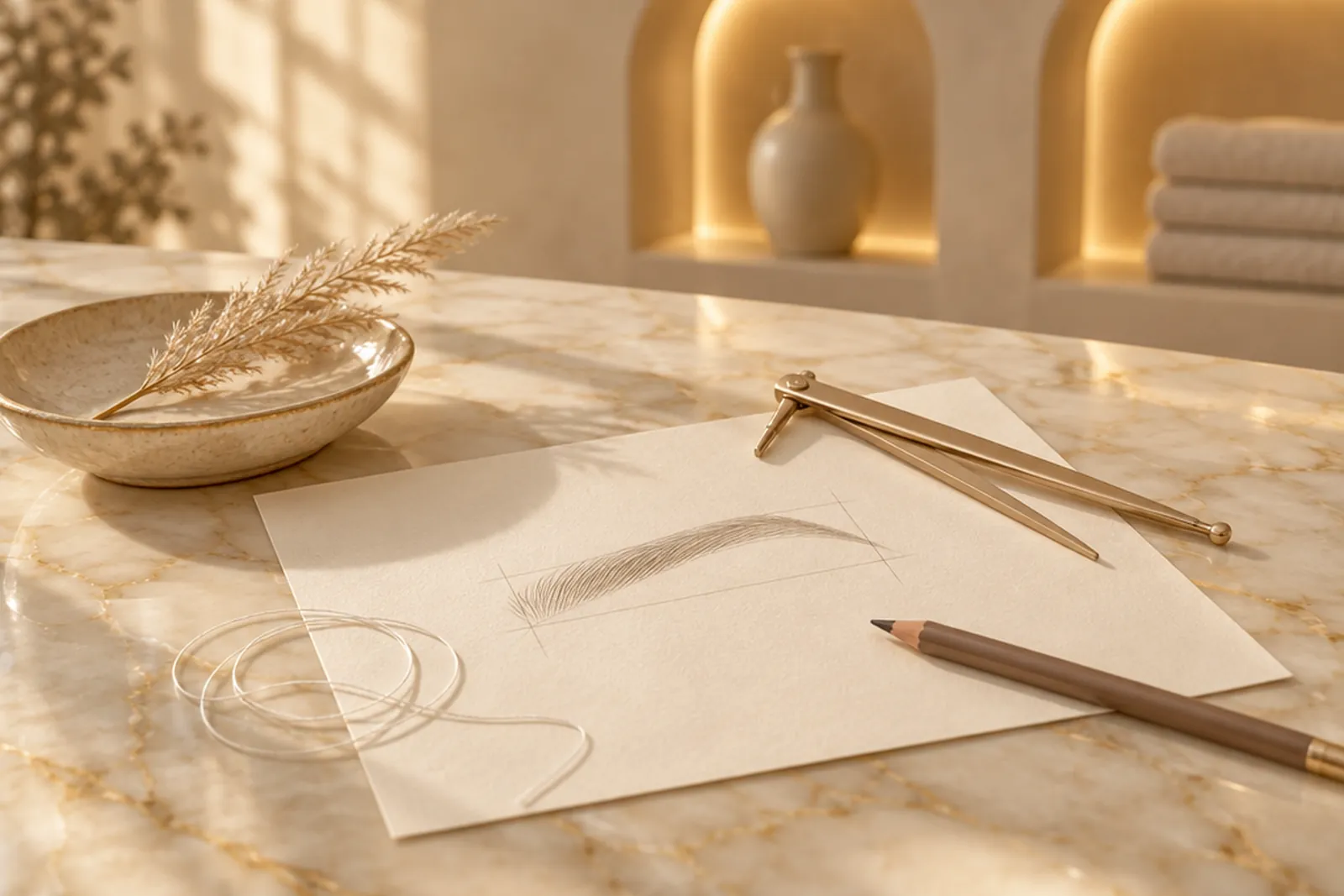
The two most popular techniques today are microblading and powder brows. Both start with a brow map drawn according to your facial proportions, but they differ in how the pigment is placed in the skin and in the look they create.
What is microblading, and who is it for?
Microblading is a technique in which a fine-tipped pen makes very superficial, hair-like strokes in the skin and pigment is placed into those strokes. It's often chosen to fill in gaps in the brows and create a natural frame. The result is a textured brow that looks natural even without makeup.
- On normal and dry skin, the strokes stay crisp and visible for longer.
- It suits those who want a natural, no-makeup look.
- It stands out for people whose brows are partly full and only have gaps.
- It's assessed carefully on oily skin, where the strokes can spread over time.
What are powder brows, and who are they for?
Powder brows is a technique in which pigment is worked into the skin gradually using dotting methods, creating a look similar to light makeup done with brow powder. The front of the brow is left lighter and the tail more defined, giving a natural gradient. The intensity can be adjusted as you like, from very light to more defined.
- They last longer on oily and combination skin.
- They suit those with sparse brows or anyone who likes a lightly made-up look.
- They can cover the faded traces of an earlier session more evenly.
- They can also be combined with microblading as a hybrid technique.
What are the differences between microblading and powder brows?
The most basic difference is in the look: microblading creates an individual-hair effect, while powder brows create a soft shaded effect. The table below compares the two techniques on the points that matter most when deciding.
| Feature | Microblading | Powder brows |
|---|---|---|
| Look | Hair by hair, natural and textured | Soft, full, lightly made up |
| Method | Superficial strokes with a fine pen | Dotted, gradual pigmentation |
| Suitable skin type | Normal and dry skin | Oily, combination, and normal skin |
| Typical longevity | Generally shorter | Generally longer |
| Recovery feel | Light crusting | Light crusting and peeling |
| Stands out for | Those with gaps who want a natural look | Those with sparse brows who like a made-up look |
Who isn't a candidate for eyebrow permanent makeup?
The session is generally postponed during pregnancy and breastfeeding, for people with an active skin problem in the area, and with health conditions that affect how wounds recover. If you take blood thinners, have a chronic condition such as diabetes, or tend to form keloids, talk to your doctor first.
- Active acne, eczema, psoriasis, or an open wound in the brow area
- Filler or a similar procedure in the brow area in recent weeks
- Heavy use of active ingredients such as retinol or acids around the brows (a break is needed)
- A known sensitivity to pigments or a history of allergies
What should you keep in mind before the session?
Staying away from anything that stresses the brow area in the days before your session both adds to your comfort and helps the pigment take more evenly.
- Stop using retinol and acid products in the brow area at least one week before the session.
- Don't have your brows waxed, tinted, or laminated in the last two weeks.
- Limit caffeine and alcohol on the day of the session; this can reduce sensitivity.
- Share your medications and health conditions openly at the initial consultation.
- Bring examples of brows you like; this makes it easier to clarify your expectations.
What happens on the day of the session?
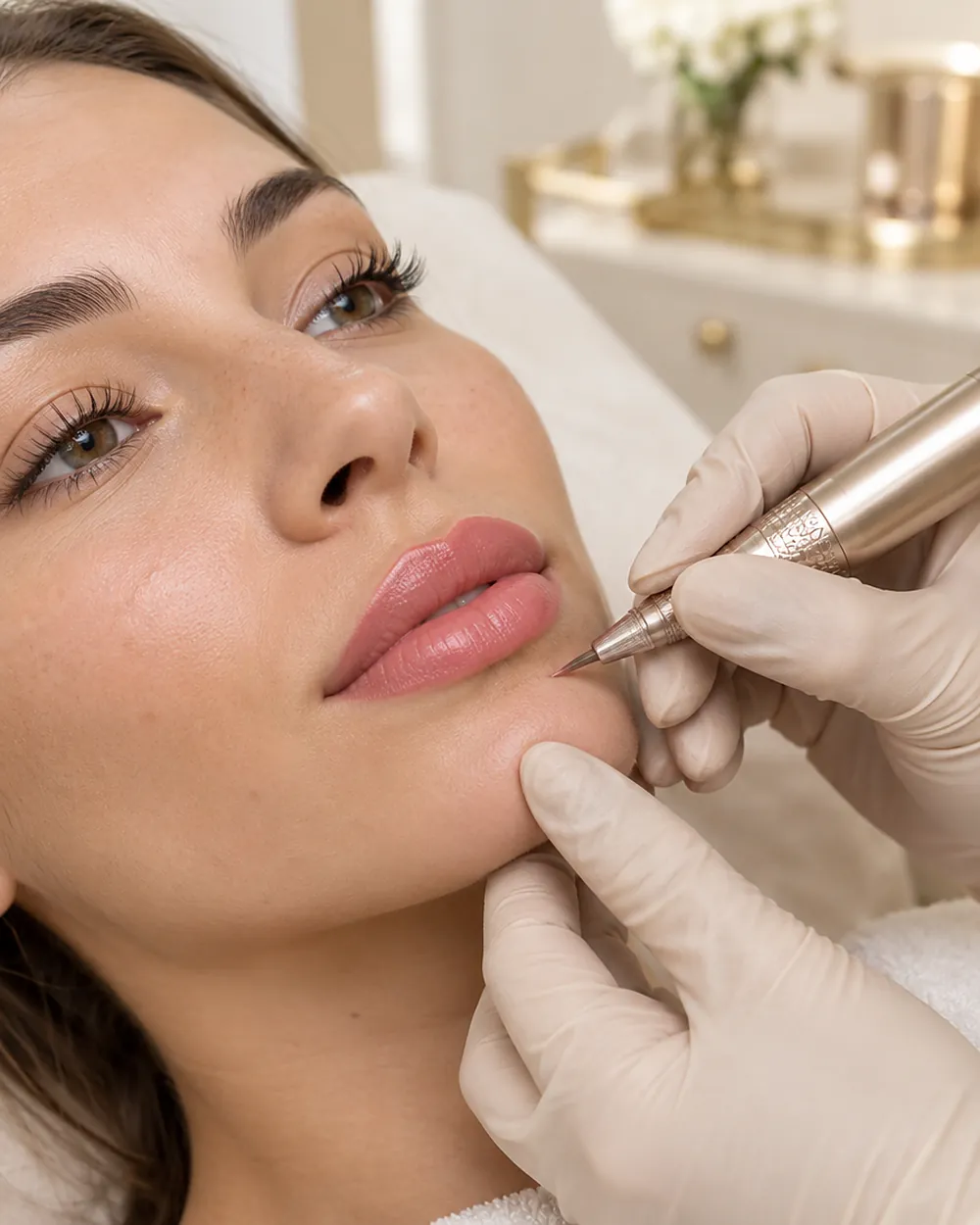
On the day, the process starts with drawing your brow shape, and pigmentation doesn't begin until you've approved it. First your face is cleansed, then a brow map is drawn according to your facial proportions, brow bone, and expressions. Once the shape and color are settled together, a numbing cream is applied to the area and left on for a while. The pigmentation stage takes a length of time that varies with the chosen technique and the condition of your brows; the whole process usually takes a few hours.
At Vega Beauty, permanent makeup sessions are carried out in a private room with single-use needles and tips. After the session, you receive written care recommendations for the recovery period, and we schedule your touch-up date together.
When is the hybrid technique chosen?
The hybrid technique uses microblading at the front of the brow for an individual-hair effect and powder shading through the body and tail for fullness. It can be a suitable option for those who want a natural look at the front of the brow and a more defined frame through the rest. On combination skin, bringing together the strengths of both techniques may also give a more balanced result. Which technique or combination is suitable is decided at the consultation, where your skin and expectations are assessed together.
How is the brow shape determined?
Your brow shape is determined by your facial proportions, not by trends. The start, peak, and end points of the brow are measured using the side of the nose, the pupil, and the outer corner of the eye as references. The natural asymmetry between the two brows is also taken into account; the goal isn't to make them identical but to have them look balanced and harmonious on your face. Your expressions matter too, so you may be asked to raise your brows or smile during the drawing.
How is the color chosen?
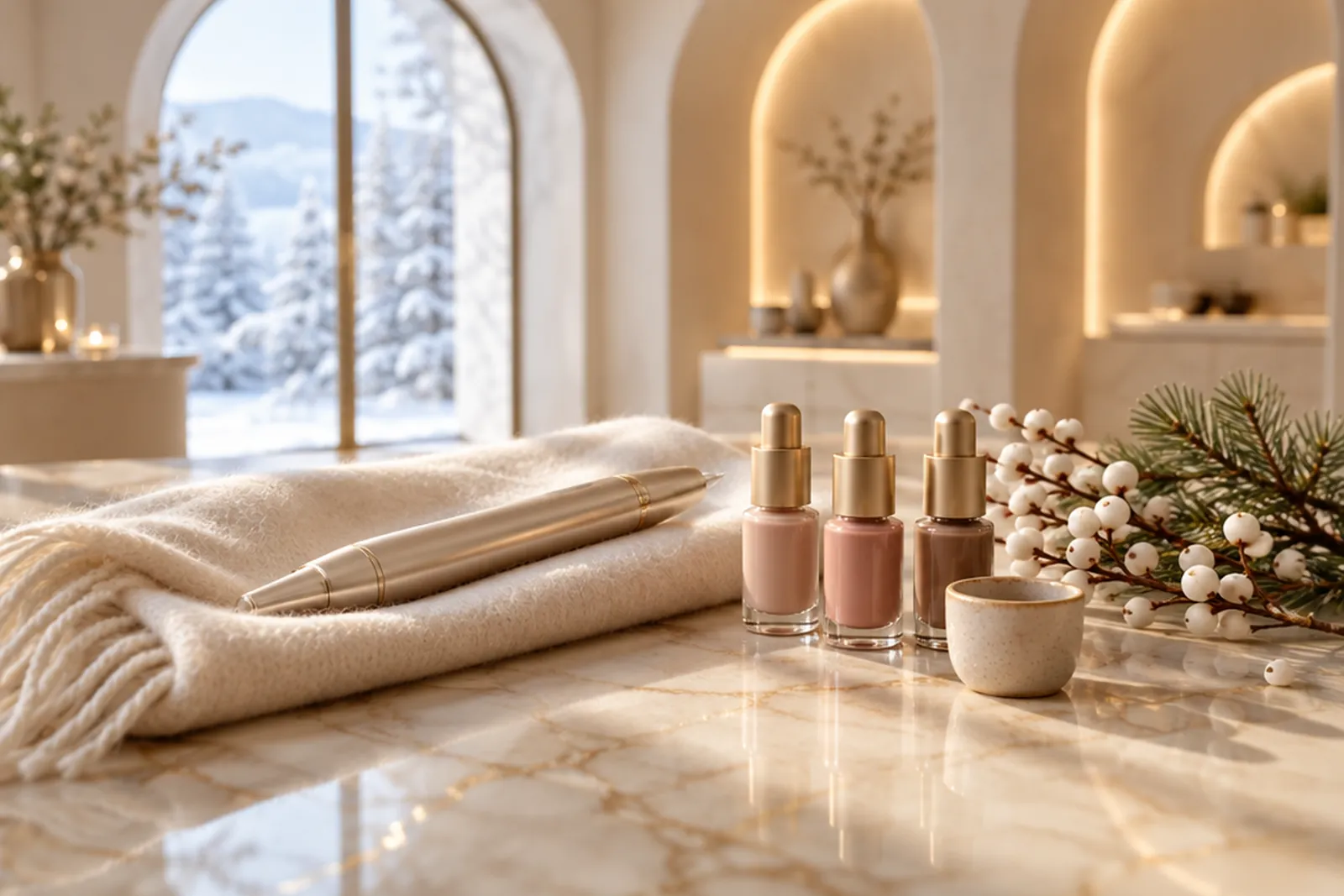
Color is chosen by assessing your hair color, natural brow color, and skin undertone together. Different pigment blends may be preferred for warm and cool undertones. The general tendency is to stay one shade lighter than your natural brow color or at the same shade; a color chosen too dark can look harsh even after recovery. If you dye your hair, mention your most frequent hair color at the consultation.
How does recovery progress?
Recovery usually takes 4–6 weeks, and it's expected that the color will look dark at first and then light. It's important not to confuse what you see in the first days with the lasting result.
- First 3–5 days: The brows look darker and more defined than they should.
- Days 5–10: Light crusting and peeling occur; don't pick off the crusts.
- Weeks 2–4: The color lightens and may even seem to disappear in places; the true shade emerges as the skin renews.
- Weeks 4–6: Any areas left incomplete are filled in at the touch-up session.
For the first 7–10 days, take care not to wet your brows or put makeup on them, and avoid saunas, pools, and heavy sweating. Sun protection helps the color stay vivid longer.
Home care during recovery
During recovery it's enough to keep the brow area clean and lightly moisturized. Apply the recommended care product with clean hands in a very thin layer; too much product can make it harder for the pigment to hold. Avoid the brow area when washing your face, change your pillowcase often, and try not to sleep on your brows. Itching is a natural part of recovery; rather than scratching or picking the crusts, it's better to leave the area alone and wait.
What are the common misconceptions about eyebrow permanent makeup?
- “Permanent brows last a lifetime.” Pigment fades over time; periodic touch-ups are a natural part of the process.
- “The color I see on day one is the final color.” The darkness of the first days lightens noticeably with recovery.
- “A touch-up means the session failed.” A touch-up is a planned step so that the pigment holds evenly.
- “The same brow shape suits every face.” The shape should be drawn individually, according to your facial proportions and expressions.
A good permanent brow is one you don't notice at first glance.
How long does eyebrow permanent makeup last?
How long it lasts depends on your skin type, sun exposure, and the active ingredients in your skin care. Microblading generally lasts a shorter time and powder brows longer. Pigment can fade faster on oily skin, while regular sun protection supports the color. Periodic touch-up sessions are planned to keep the color vivid. At our center in Nişantaşı, the timing of your touch-up is decided together, based on the condition of your brows.
Frequently asked questions
Does eyebrow permanent makeup hurt?
A numbing cream is applied to the area before the session, and most people describe only a slight scratching or pricking sensation. Sensitivity varies from person to person and can increase with factors such as your period, fatigue, or caffeine. If you want a break during the session, just say so.
Is a touch-up necessary?
Yes. The touch-up, done 4–6 weeks after the first session, is a planned part of the process. It's natural for pigment to hold less in some areas during recovery; those areas are filled in at the touch-up, and the tone and shape are fine-tuned if needed. The process isn't considered complete without a touch-up.
Can I exercise after a brow session?
You're advised to avoid heavy sweating, saunas, hammams, and pools for the first 7–10 days. Sweat and chlorine can interfere with how pigment holds in the recovering area. Activities such as a light walk usually cause no problem; you can return to intense workouts once the crusts have fully fallen off.
Which looks more natural, microblading or powder brows?
Microblading creates an individual-hair effect, so it looks more natural without makeup. Powder brows can also look quite natural when done at a very light intensity. What really determines naturalness is a shape that fits your facial proportions and a color chosen to work with your hair and skin tone.
Can a session be done over existing permanent brows?
This depends on the color, density, and shape of the earlier work. On faded brows with a suitable shape, refreshing with powder brows is often possible. If the color has changed or the shape isn't suitable, the situation needs to be assessed first; the decision is made together at the consultation.
Is it normal for eyebrow permanent makeup color to change?
During recovery it's normal for the color to look dark at first and then light. Over the long term, fading of the pigment is also expected. Sun protection and avoiding strong active ingredients in the brow area are important for keeping the color. If you notice an unexpected change in tone, you're welcome to let us know.
How long does an eyebrow permanent makeup session take?
With the consultation, brow drawing, color selection, time for the numbing cream to take effect, and the pigmentation stages all counted, the session usually takes a few hours. Taking time to approve the shape is the most important part of the process, so plan your day so you aren't rushed. A touch-up session is usually shorter.
Published: · Vega Beauty editorial team. This article is general information and does not replace a medical diagnosis or advice; whether a service suits you is assessed at your consultation.