Permanent Makeup
Why is winter a good time for permanent makeup? A seasonal plan for brows, lash line, and lips
In short
For most people, winter is a comfortable time for permanent makeup. With less sun, sea, pool time, and heavy sweating, recovery and the touch-up 4–6 weeks later go more smoothly, and by spring the result has settled. On the other hand, dry air and cold call for extra care, especially on the lips. If you have a history of cold sores, you need to talk to your doctor before your session.
Most of our clients who are considering permanent makeup make the decision as summer approaches: they don't want to worry about makeup on vacation, at the beach, or in the morning rush. But that timing means recovery and the touch-up fall in the weeks when sun, sweat, and pool time are at their peak. In this article, we explain why winter has the advantage for permanent makeup, what to watch for in cold weather, and how to plan the calendar for brows, lash line, and lips.
Why does the season affect permanent makeup recovery?
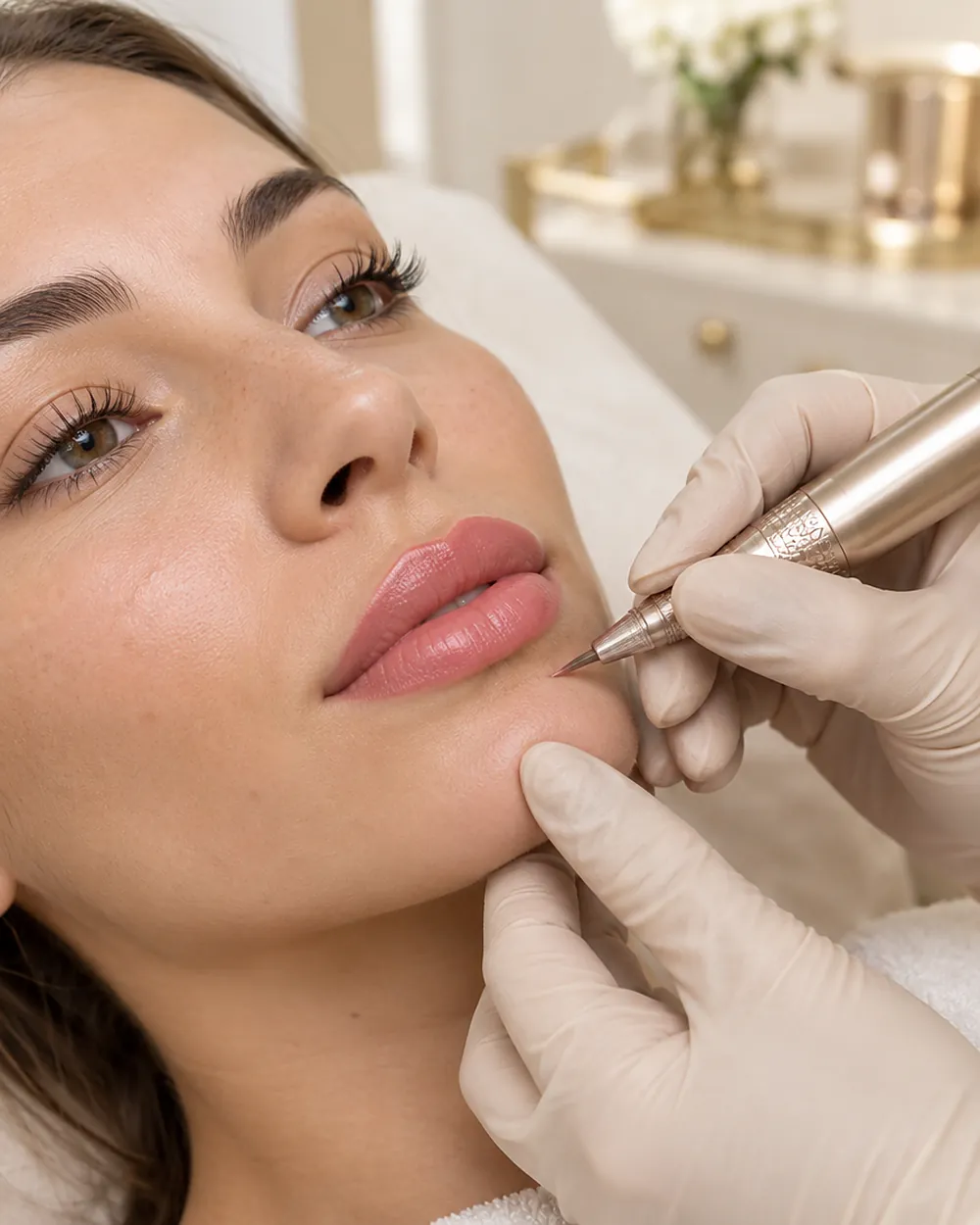
With permanent makeup, pigment settles into the upper layers of the skin, and the area goes through a recovery period of several weeks. For the first 7–10 days, it's recommended that you keep the area dry, leave the scabs alone, and stay away from saunas, pools, the sea, and heavy sweating. The sun also puts strain on both the recovering skin and the newly settled pigment during this time.
Most of these rules are hard to follow in summer, while in winter you follow them almost without trying. Beach and outdoor pool season is over, the sun sits lower, and everyday sweating drops. In short, the season itself provides the calm conditions recovery needs.
What are the advantages of getting permanent makeup in winter?
| Topic | In winter | In summer |
|---|---|---|
| Sun | Less exposure, for shorter periods | Strong sun; protecting the recovering area gets harder |
| Sea and pool | Off-season; easy to take a break | Can clash with vacation plans |
| Sweating | Little everyday sweating | The area gets wet often in the heat and during exercise |
| Touch-up schedule | The touch-up 4–6 weeks later is easy to plan | The touch-up often falls during vacation season |
| Result | Color and shape settle by spring | The result becomes clear in mid- or late summer |
Another advantage is time. The final result of permanent makeup becomes clear after the touch-up session. A process started in November or December is usually complete by January or February. When spring arrives, your brows, lash-line enhancement, or lip color will have finished recovering and be ready for summer.
How do cold and dry air affect recovery?
Winter has its advantages, but it also has a side that calls for attention. Indoors, radiator heating lowers the humidity in the air; outdoors, cold and wind dry out the skin. When the area dries out during the recovery period, it can feel tighter, the itchiness can increase, and the scabs can become more noticeable.
- Don't skip the recommended aftercare product: During recovery, apply the product you were given as often as recommended and in a thin layer; a thick layer can keep the area from breathing.
- Don't pick at the scabs: Even if dryness makes them itch, let the scabs fall off on their own. Scabs pulled off too early can keep the pigment from holding evenly.
- Balance indoor humidity: A humidifier, especially in the bedroom, can ease the dryness.
- Watch for friction from scarves, hats, and collars: A wool scarf can rub against your lips and chin, and a hat against your brows. In the first days, choose clothes that don't touch these areas.
- Keep hot showers short: Steam and hot water can soften and wet the recovering area. In the first days, don't hold your face directly under the water.
What should you watch for with Lip Blush in winter?
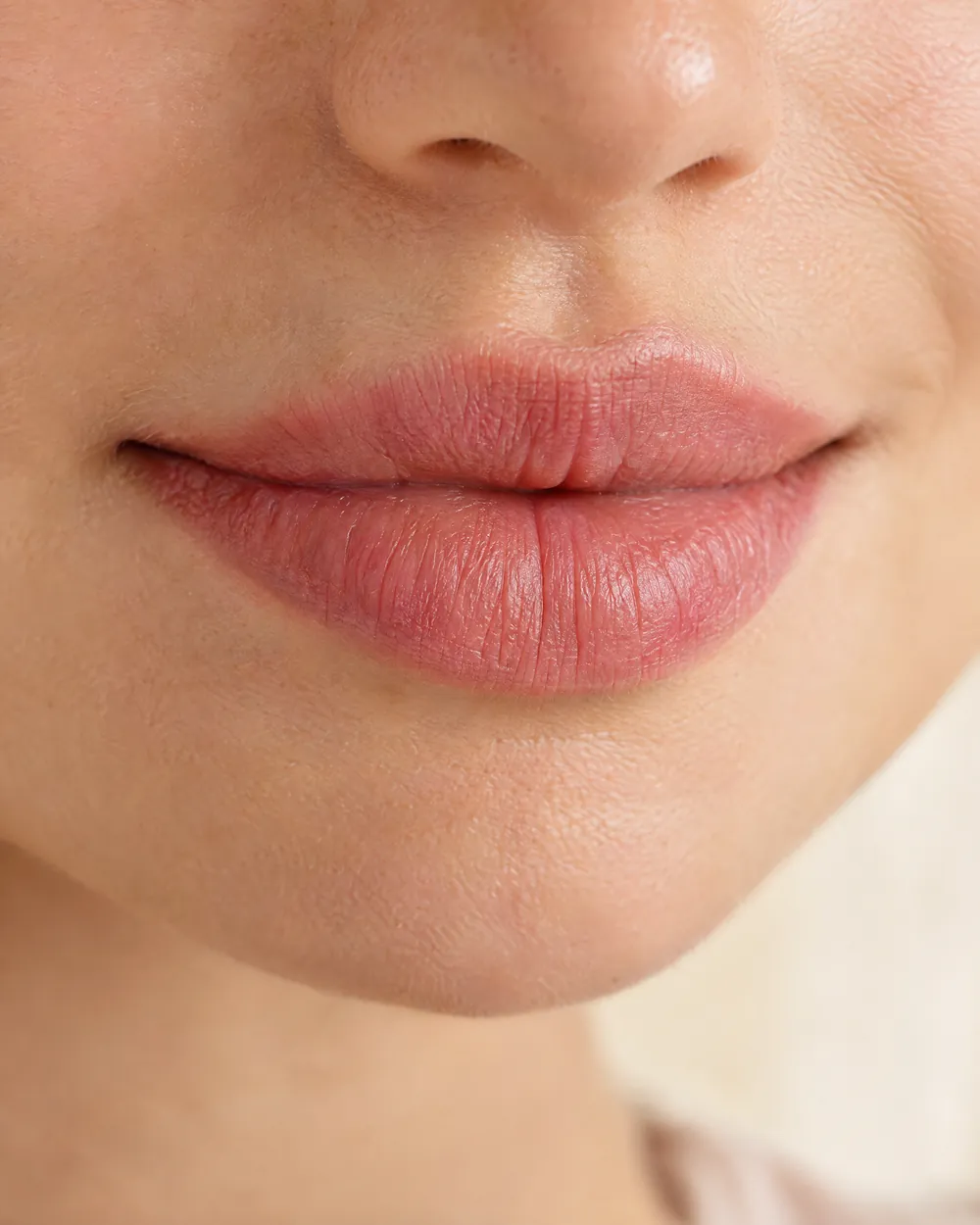
The lips are the area most affected by winter conditions. Cold and wind dry them out and make them prone to cracking. In the first days after Lip Blush, the lips can also become dry and peel. When the two overlap, the lips become more sensitive.
If you're planning Lip Blush in winter, moisturize your lips regularly in the two weeks before your session, skip lip scrubs, and try not to lick your lips. The session isn't done on lips with cracks or wounds; in that case, we postpone your appointment until your lips have recovered. During the recovery period, stay away from hot and spicy foods for a few days, and when you go outside, protect your lips from cold and wind by applying the recommended aftercare product.
What should you do if you have a history of cold sores?
Cold weather, fatigue, and times when the immune system is under strain can trigger cold sores in some people. In people with a history of cold sores, services on the lip area can also lead to a new outbreak. If you have a history of cold sores, be sure to mention it at your consultation; your doctor may recommend a preventive measure before your session. Lip Blush isn't done while you have an active cold sore; we plan a new date once it has fully cleared.
How do you plan a winter calendar for brows, lash line, and lips?
Two dates shape the permanent makeup calendar: the first session and the touch-up 4–6 weeks later. If you have an important day coming up, scheduling the first session at least 6–8 weeks before it leaves comfortable room for both recovery and the touch-up.
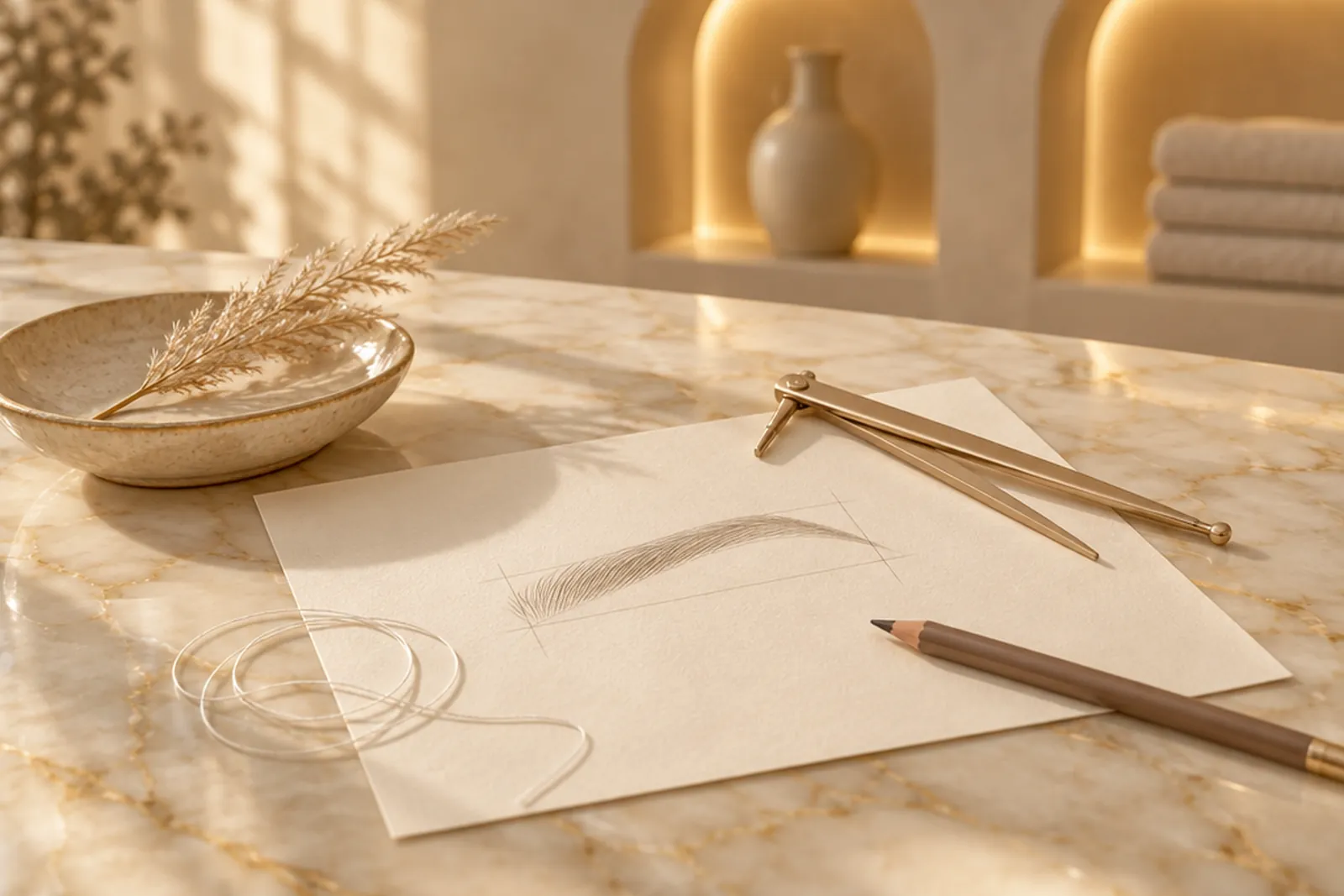
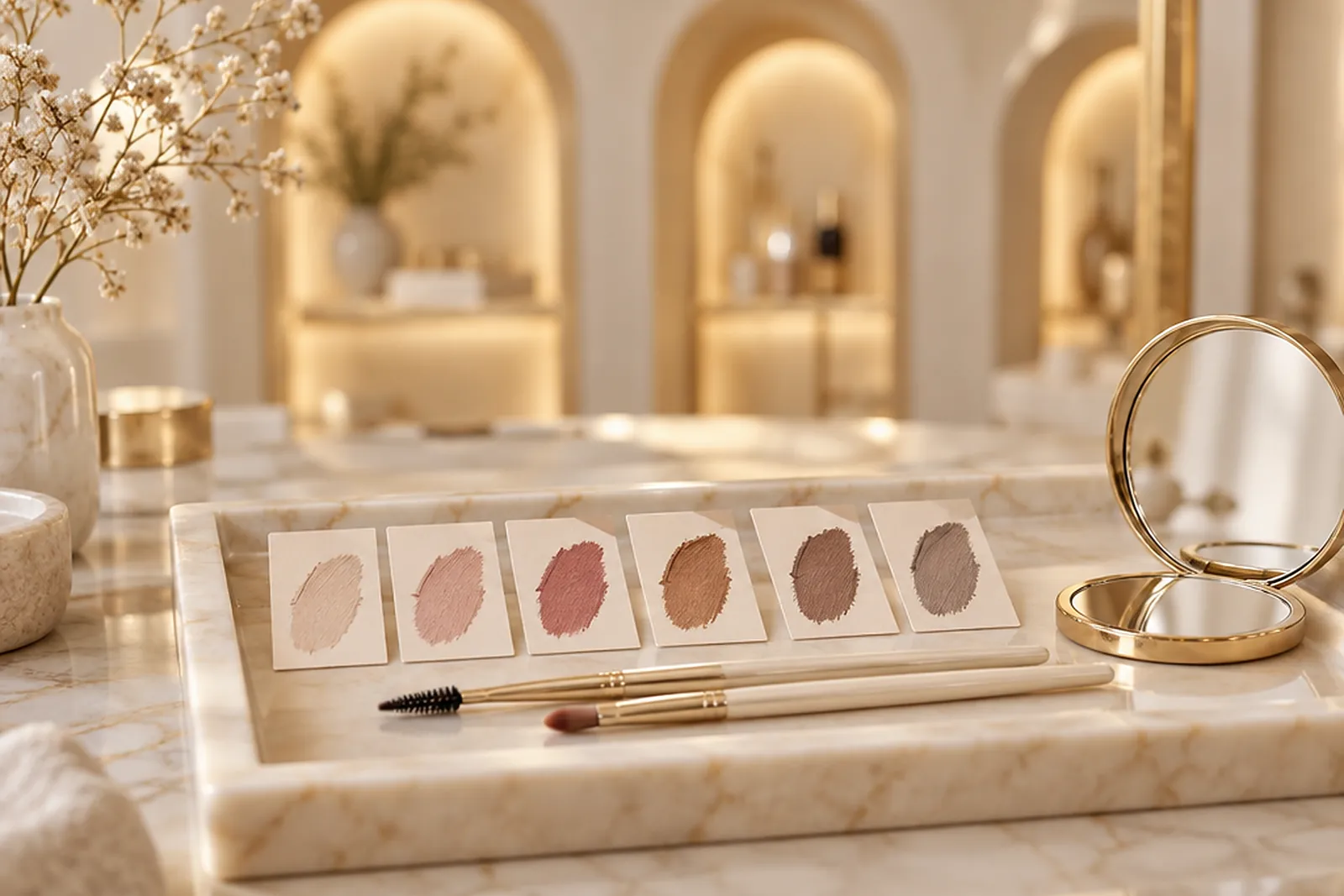
- Consultation: We talk about the area, your expectations, your skin, and your health history; we make a preliminary drawing for brows and a color plan for lips and lash line.
- Mark your calendar: New Year's week, ski trips, business travel, and vacations to warm countries shouldn't fall between your first session and your touch-up.
- First session: For the first 7–10 days, keep the area dry, don't pick at the scabs, and stay away from saunas and intense exercise.
- Touch-up: 4–6 weeks after the first session, we assess how your skin has held the pigment and fill in any gaps.
- Spring and summer: When you go out in the sun, protect the areas with permanent makeup with sunscreen too; the color stays vivid longer.
With permanent makeup, the result is shaped not only by the day of your session but by the calm weeks that follow.
What are the common misconceptions about permanent makeup in winter?
- “Permanent makeup is only done in spring or summer.” Permanent makeup can be done in any season; for most people, winter is a more comfortable time for recovery and the touch-up.
- “There's no sun in winter, so you don't need protection.” The winter sun is weaker, but UVA rays reach the skin on cloudy days too. To protect the pigment over the long term, sunscreen matters in winter as well.
- “Recovery takes longer in cold weather.” How long recovery takes depends more on your skin and on following the aftercare rules than on the season. What really needs attention in winter is dryness.
- “I can leave the touch-up until spring.” The touch-up is planned 4–6 weeks after the first session. Waiting too long can turn the touch-up into a more extensive session as the pigment from the first session fades.
- “You can't wear lipstick or lip balm on permanent lip color in winter.” Once recovery is complete, you can use both; in the first days, use only the aftercare product recommended to you.
Which situations call for talking to a doctor?
In the following cases, we recommend talking to a doctor before planning permanent makeup:
- You have a history of cold sores or get them often.
- You take blood thinners; don't stop any of your medications without talking to your doctor.
- You have eczema, psoriasis, or redness that hasn't gone away for a long time in the area.
- You're prone to keloids, or your skin scars easily.
- You notice increasing swelling, spreading redness, discharge, or fever after your session.
Permanent makeup isn't done during pregnancy or breastfeeding. At our center in Nişantaşı, we plan your permanent makeup calendar together with you, around your personal plans. Vega Beauty is a beauty and care center; if we see anything that calls for medical evaluation, we'll refer you to a doctor.
Frequently asked questions
Can you get permanent makeup in winter?
Yes. Permanent makeup can be done in any season. In winter, with less sun, sea, pool time, and sweating, the recovery and touch-up period goes more smoothly for most people.
Will permanent makeup I get in winter settle by summer?
With a first session in November or December and a touch-up 4–6 weeks later, the process is usually complete within the winter. By spring, the color and shape have settled.
Does cold weather affect Lip Blush?
Cold and wind can dry out the lips, and the dryness and peeling of the recovery period can feel more noticeable at this time. Using the recommended aftercare product regularly and not licking your lips make this period easier.
Can I get Lip Blush if I get cold sores?
The session isn't done while you have an active cold sore. If you have a history of cold sores, mention it at your consultation; your doctor may recommend a preventive measure before your session. A new date is planned once the cold sore has fully cleared.
Is it too late to get permanent makeup before New Year's?
In the first days, the color looks dark and the area forms scabs. If you have an important event coming up, we recommend scheduling your first session at least 6–8 weeks before that date. If you choose a closer date, keep in mind that recovery may overlap with the event.
Can I get permanent makeup before a ski trip?
You can, but the first 7–10 days of recovery and the touch-up shouldn't clash with your trip. Because the sun can be stronger at high altitudes covered in snow, we plan the dates together at your consultation.
Published: · Vega Beauty editorial team. This article is general information and does not replace a medical diagnosis or advice; whether a service suits you is assessed at your consultation.