Permanent Makeup
How Lip Blush works: choosing a color and what recovery looks like
In short
Lip Blush is a permanent makeup service that uses a fine needle to place specialized pigments in the surface of the skin, bringing out the natural contour and tone of your lips. The color is chosen to suit your skin's undertone and your natural lip color. Recovery usually takes 7–10 days, results last 1–3 years for most people, and a touch-up follows 4–6 weeks later.
Lips that look fresh before you've put on any lipstick, less reapplying during the day, a more balanced look for asymmetrical or pale lip lines: these are usually what people hope for when they start reading about Lip Blush. A good result, though, depends on the right color, careful mapping, and the attention you give your lips during recovery. This guide walks through the whole process from start to finish, along with the questions people ask most.
What is Lip Blush, and how is it done?
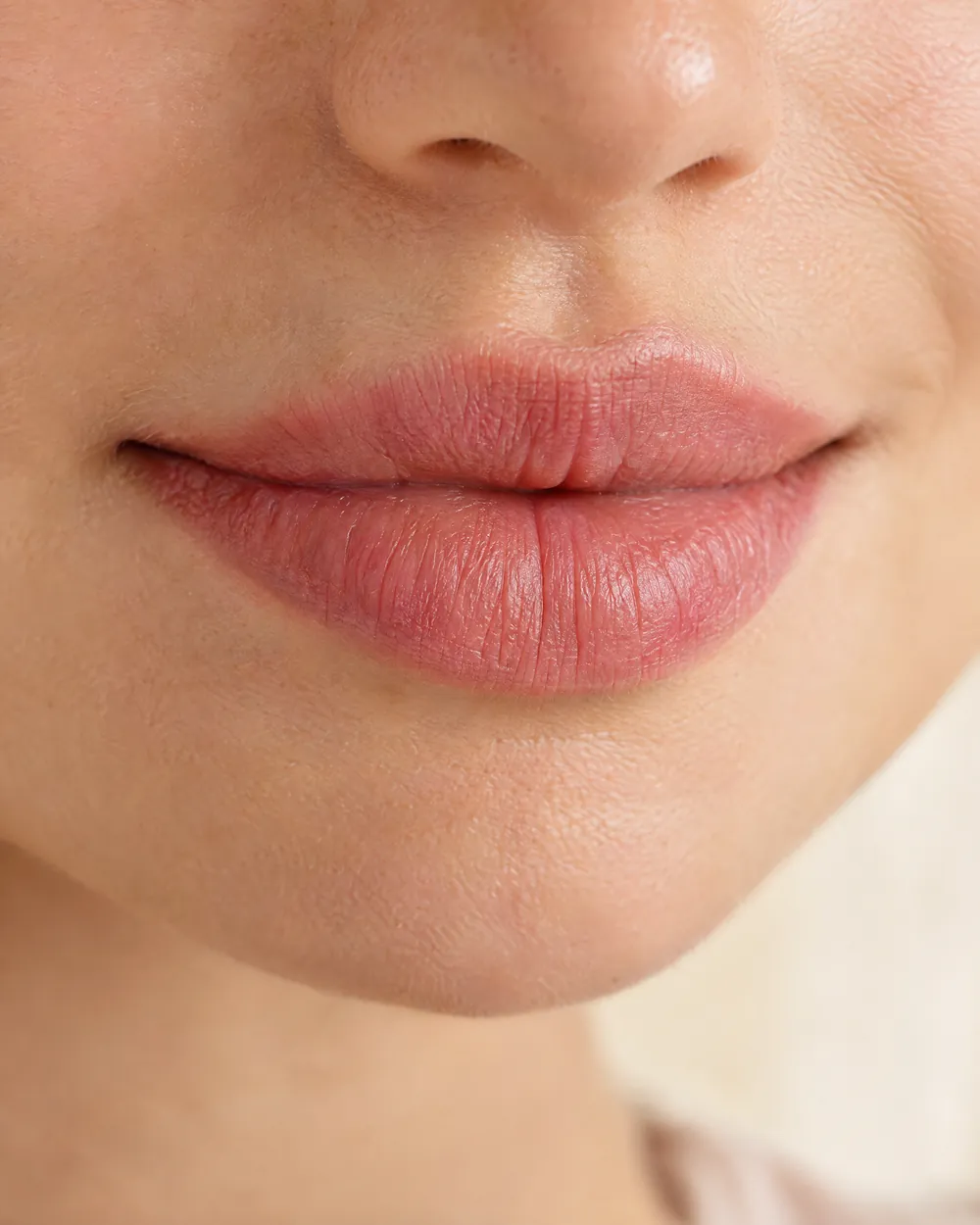
Lip Blush is a semi-permanent makeup service in which pigment is placed in a controlled way in the surface layer of the skin of the lips. The goal isn't the dark, fixed color of a tattoo. It's a soft, natural base of color that works with your own lip tone. The result shouldn't look like you're wearing lipstick; it should look like your lips on a “good day.”
The session begins by defining the contour line at the edge of the lips, and color is then worked inward layer by layer. Depending on your preference, we can work only on the contour with a light shadow, or color the whole lip in an even tone. The technique is decided at the consultation based on your lip shape and what you hope to achieve.
How does a session unfold, step by step?
- Consultation: We talk through your lip shape, natural color, health history, and expectations.
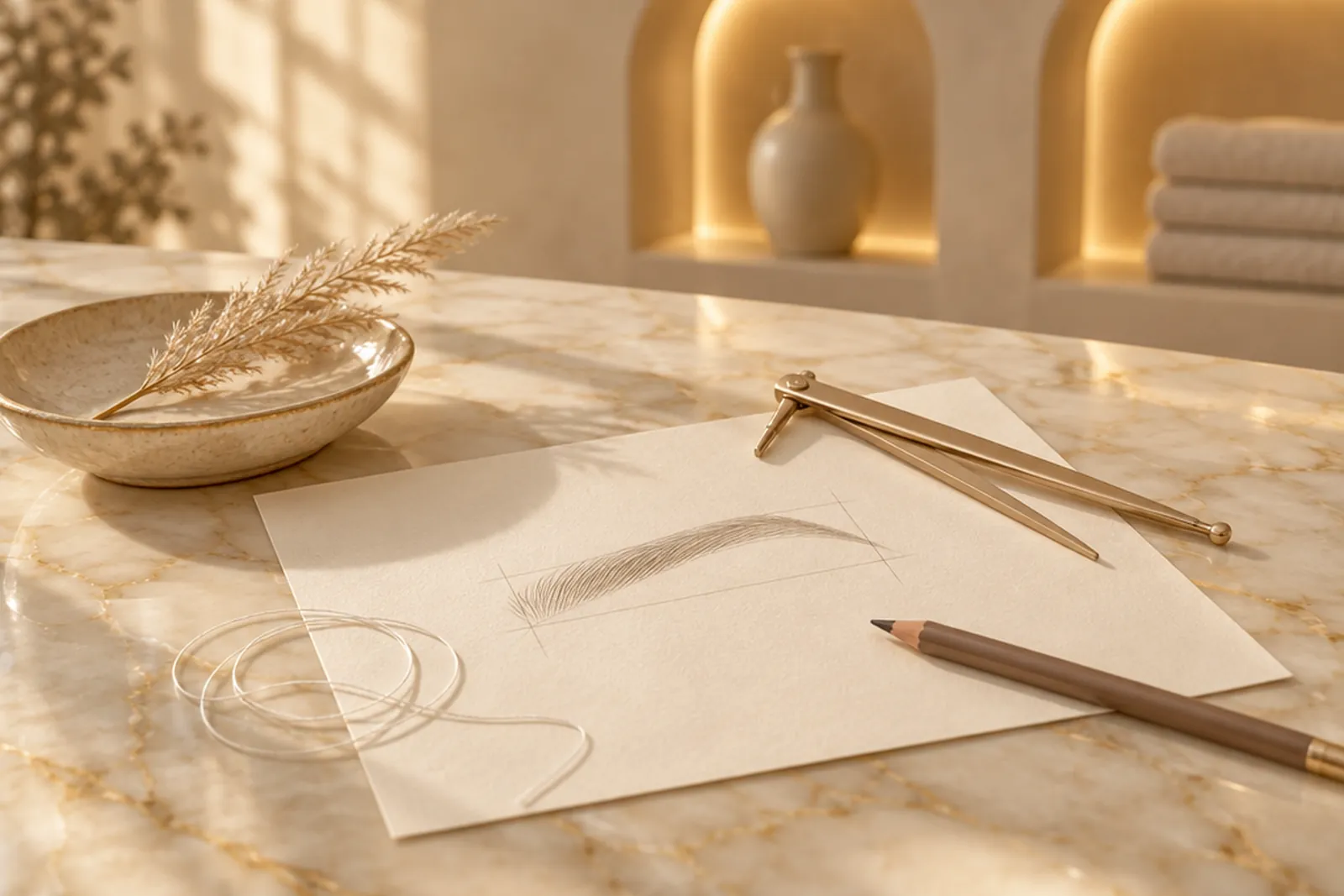
- Mapping: The lip line is measured with symmetry in mind, and the suggested contour is drawn with a pencil.
- Color approval: Pigment options are tried next to your skin. Nothing moves forward until you've approved both the drawing and the color.
- Comfort preparation: The area is cleansed, and your comfort is looked after throughout the session.
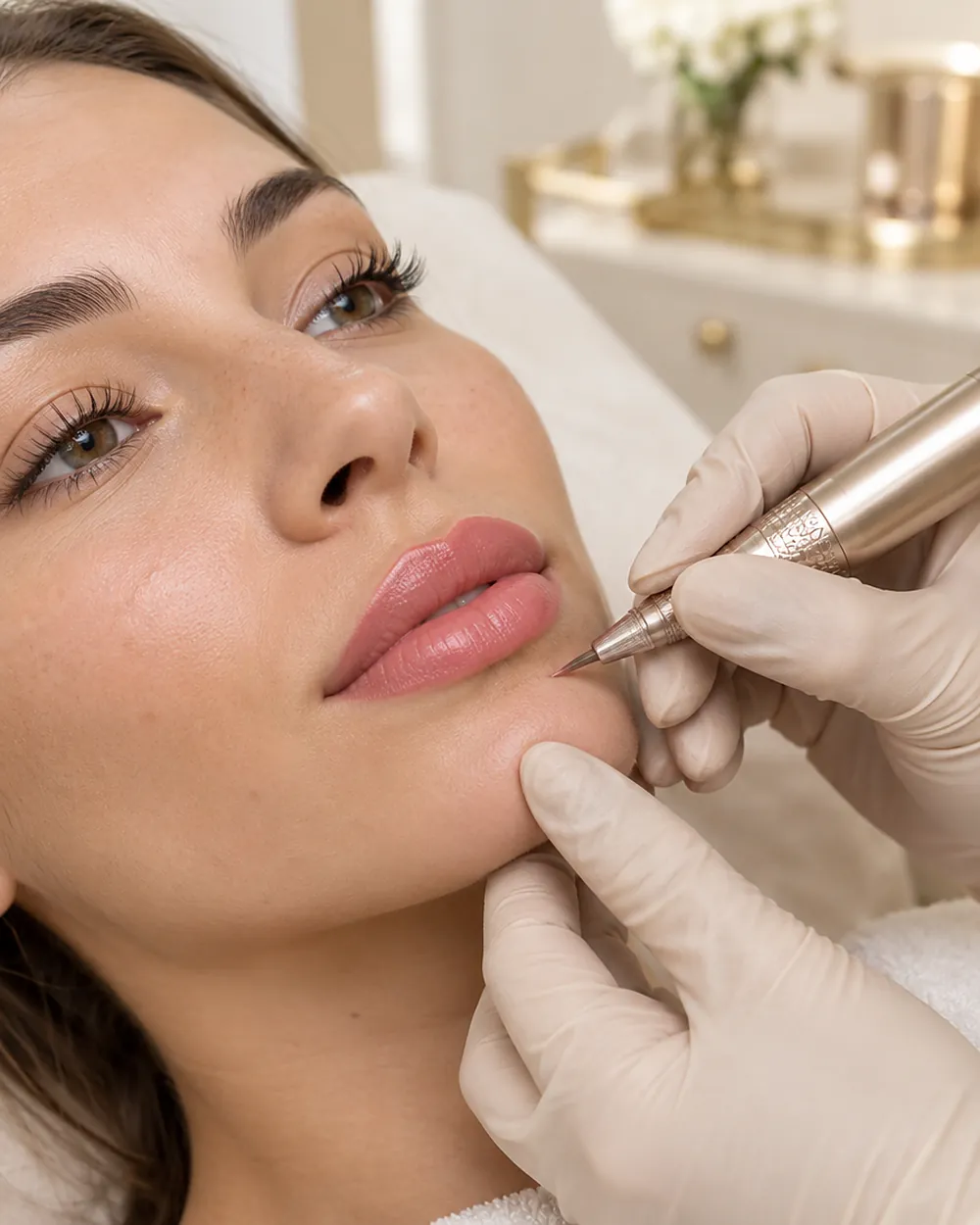
- Pigmentation: Color is placed in layers with a fine-tipped device. This stage usually takes 1.5–2 hours.
- Aftercare briefing: You receive written guidance on what to do and what to avoid in the first days after the session.
At Vega Beauty, permanent makeup is offered for the eyebrows, lash line, and lips. At our center in Nişantaşı, every session takes place in a private room, without rushing, and pigmentation doesn't begin until you've approved the drawing and the color.
How do you choose a lip color? Why does skin undertone matter?
The most important factor in choosing the right color is your skin's undertone: not the color you see on the surface, but the warm, cool, or neutral cast coming from underneath. As the pigment settles, it blends with the natural color of your lips, so the color in the bottle and the color you end up with are never exactly the same. On lips with a cool undertone or a purplish cast, a very cool pink can look darker or grayer than expected.
To get a sense of your undertone, look at the veins on the inside of your wrist. If they look more blue-purple, your undertone may be cool; if they look greenish, warm; if they fall somewhere in between, neutral. Whether gold or silver jewelry flatters you more is another clue. Even so, the final decision is made at the consultation, when your skin is assessed in natural light.
| Skin undertone | Tones that usually work | What to watch for |
|---|---|---|
| Warm (yellowish, peachy cast) | Coral, peach, salmon, warm nude, cinnamon | Very cool pinks may look pale once settled |
| Cool (pink, bluish cast) | Dusty rose, raspberry, cool pink, berry tones | Orange-leaning tones can look artificial |
| Neutral (mixed cast) | Pink nude, rose, soft coral, natural terracotta | Carries most tones; your natural lip color is the deciding factor |
| Dark or purplish lip tone | Warm-undertone, balancing pigments | Going straight to a light pink can turn out grayish |
| Very light, pale lips | Soft pink, peach, natural rose | A gradual approach is preferred over intense color in the first session |
Who is Lip Blush suitable for, and who should skip it?
Lip Blush can be a good option for adults whose lip contour is undefined, whose lip color is pale or uneven, who have slight asymmetry in the lip line, or who are tired of constantly reapplying lipstick. It isn't done in every case, though. Some situations call for waiting or for getting a doctor's opinion first.
- Pregnancy and breastfeeding: The session isn't performed during this time; it's postponed.
- If you have an active cold sore, wound, crack, or inflammation on your lips, we wait until the area has fully cleared.
- If you've had lip filler in the past few weeks, we usually wait for the filler to settle.
- If you take blood thinners, have uncontrolled diabetes or a condition that affects your immune system, or are undergoing chemotherapy, talk to your doctor first.
- Lip Blush may not be recommended if you tend to form keloids or abnormal scars.
- If you have a known allergy to pigment or dye ingredients, be sure to mention it at the consultation.
What if you have a history of cold sores?
In people who get frequent cold sores, Lip Blush can trigger an outbreak because of the stimulation to the lip area. If you have a history of cold sores, be sure to talk to your doctor before your session; if needed, your doctor can plan a suitable preventive approach for you. Vega Beauty is a beauty and care center, and we don't recommend medication or make diagnoses. When we learn about a history of cold sores at the consultation, we don't set a session date until you've spoken with your doctor.
How does Lip Blush recovery progress day by day?
For most people, the surface of the lips recovers within 7–10 days, but it can take up to 4 weeks for the color to fully settle in the skin. The color darkening and then lightening during this time is entirely normal and a natural part of recovery. The timeline below is a general guide; every pair of lips recovers at its own pace.
- Day 1: Lips are slightly swollen and sensitive, and the color looks shiny and darker than expected. A cold compress and the recommended care cream support comfort.
- Days 2–3: Swelling goes down, and the color is still intense. Lips start to feel dry and tight.
- Days 4–6: Fine crusting and peeling begin. Never pick at the crusts; let them fall off on their own.
- Days 7–10: Peeling finishes. At this point the color often looks much lighter than expected, even pale. This is called the “ghost stage.”
- Weeks 2–4: Color gradually reappears from underneath and balances with your natural lip tone.
- Weeks 4–6: The settled result is assessed and a touch-up session is planned.
With Lip Blush, the color you see on day one isn't the result. The real result is the color that emerges once your lips have recovered.
What should you watch for after a session?
For the first 7–10 days, keeping your lips clean, moisturized, and protected from outside factors helps the color settle evenly. Small mistakes during this time can leave patchy or light areas.
- Don't moisturize your lips with anything other than the recommended care product, and avoid lipstick, gloss, and lip scrubs.
- In the first few days, drinking through a straw keeps liquids from touching your lips too much.
- Stay away from very hot, spicy, salty, and acidic foods for a few days.
- For the first two weeks, avoid saunas, hammams, pools, the sea, and intense workouts that make you sweat.
- Protect your lips from the sun; once they've recovered, use a lip balm with SPF.
- Don't pick at crusts, and don't bite or lick your lips.
How long does Lip Blush last, and when is the touch-up?
Lip Blush lasts 1–3 years for most people, but the color slowly fades over time, and the length varies from person to person. Lips are among the fastest-renewing areas of the body, so the color can fade faster than it does on eyebrows. Frequent sun exposure, smoking, an oily skin type, and frequent exfoliation can all contribute to quicker fading.
The touch-up session 4–6 weeks after the first session is part of the process. It fills in small areas that stayed light during recovery, balances color intensity to your liking, and sharpens the contour. After that, a refresher session can usually be planned every 1–2 years to keep the color fresh.
How should you prepare for Lip Blush?
Keeping your lips moisturized and smooth during the week before your session helps the pigment take more evenly. Color can settle unevenly on dry, cracked, or peeling lips, so think of preparation as part of the result.
- In the days before your session, moisturize your lips regularly with a plain lip balm.
- Don't use a lip scrub in the final week, and don't bite or peel your lips.
- Avoid alcohol for 24–48 hours before your session, and limit coffee on the day.
- If you've had lip filler, mention it at the consultation so the timing can be planned around it.
- If you have a history of cold sores, speak with your doctor before your session date.
On the day, all you need to do is arrive with clean lips, free of lipstick. Bringing photos of lip colors you like helps clarify what you want and makes choosing a color easier. If you have an important event or a vacation coming up, we suggest leaving at least 6–8 weeks for recovery and the touch-up.
What are the common myths about Lip Blush?
- “If the color is dark on day one, it will stay that way.” False: The color from the first few days lightens noticeably as your lips recover.
- “If the color disappeared after peeling, the session didn't take.” False: The ghost stage is normal, and the color comes back from underneath within a few weeks.
- “Lip Blush makes lips fuller.” False: The contour line can make lips look more defined, but it doesn't add volume.
- “The darker the color, the longer it lasts.” False: Dark colors can leave a harsher look and are hard to correct; a gradual approach looks more natural.
- “You don't need a touch-up.” False: The touch-up is a planned part of the process for an even, lasting result.
At Vega Beauty, we don't plan Lip Blush as a “one-session transformation” but as a process made up of a consultation, a session, and a touch-up. In a city as busy as Istanbul, it saves you time every morning. Whether it's right for you is something we can work out together at the consultation, once we've looked at your lips.
Frequently asked questions
Does Lip Blush hurt?
Sensitivity varies from person to person. The lips are a thin, delicate area, so some people describe a tingling or prickling feeling. Your comfort is looked after during the session, and we take breaks if needed. Most people say it went more easily than they expected.
How long does a Lip Blush session take?
The whole process, including the consultation, mapping, and color approval, usually takes 2–2.5 hours. The pigmentation stage alone takes about 1.5–2 hours. A touch-up session is usually shorter because we work only on the areas that need finishing and on color intensity.
I have a history of cold sores. Can I still get Lip Blush?
If you have a history of cold sores, stimulation to the lip area can trigger an outbreak. Be sure to talk to your doctor before your session; if they consider it appropriate, they can plan a preventive approach. We don't perform the service while you have an active cold sore, and we wait until the area has fully cleared.
When can I wear lipstick after Lip Blush?
You can use lipstick and gloss once your lips have fully peeled and surface recovery is complete, usually after 10–14 days. Using products before then can keep the pigment from settling evenly. In the early period, it's recommended that you use only the care product suggested for you.
Can the color be changed if I don't like it?
The color can be adjusted to a certain extent at the touch-up session; it's especially possible to darken a light color or balance its warmth. Lightening a dark color is much harder. That's why it matters not to rush the mapping and color approval stage, and to start with a natural tone in the first session.
Does Lip Blush lighten dark lips?
On dark or purplish lips, suitable pigments can aim for a more balanced, fresher look. However, the result comes from your natural lip color combining with the pigment, and it varies from person to person. At the consultation, we assess your lip tone and talk through whether your expectations are realistic.
Published: · Vega Beauty editorial team. This article is general information and does not replace a medical diagnosis or advice; whether a service suits you is assessed at your consultation.