Hair Removal
Can you get laser hair removal in summer? What you should know
In short
Yes. With the right device and the right rules, laser hair removal can be planned in summer too. What decides it isn't the season but your skin's condition that day, how much sun it has had in recent weeks, and how carefully the person performing the session evaluates that. Protecting your skin from the sun and keeping to your session intervals are the two basic conditions for a comfortable, efficient process in summer.
For many years, laser hair removal was known as a “winter thing.” The reason was that older-generation devices carried a greater risk of heat-related side effects on tanned skin. Today's multi-wavelength systems have largely changed that picture, though the summer months still have their own rules. In this post, we walk through how to plan laser hair removal in summer, what to watch for on tanned skin, and how to fit your sessions around your vacation calendar.
Why wasn't laser hair removal recommended in summer in the past?
The main reason was that laser light couldn't tell the pigment at the skin's surface well enough from the pigment in the hair root. Laser produces heat by targeting the melanin in the hair root. When the sun darkens your skin, melanin at the surface also increases, and the skin absorbs some of the light. That can set the stage for unwanted reactions such as redness, sensitivity, or color changes.
Today things are different. Devices with selectable wavelengths and cooled handpieces allow sessions to be adjusted for your skin type and your skin tone that day. Technology alone isn't enough, though; controlling sun exposure remains the key to the summer process.
What makes Soprano Ice Platinum well suited to summer?
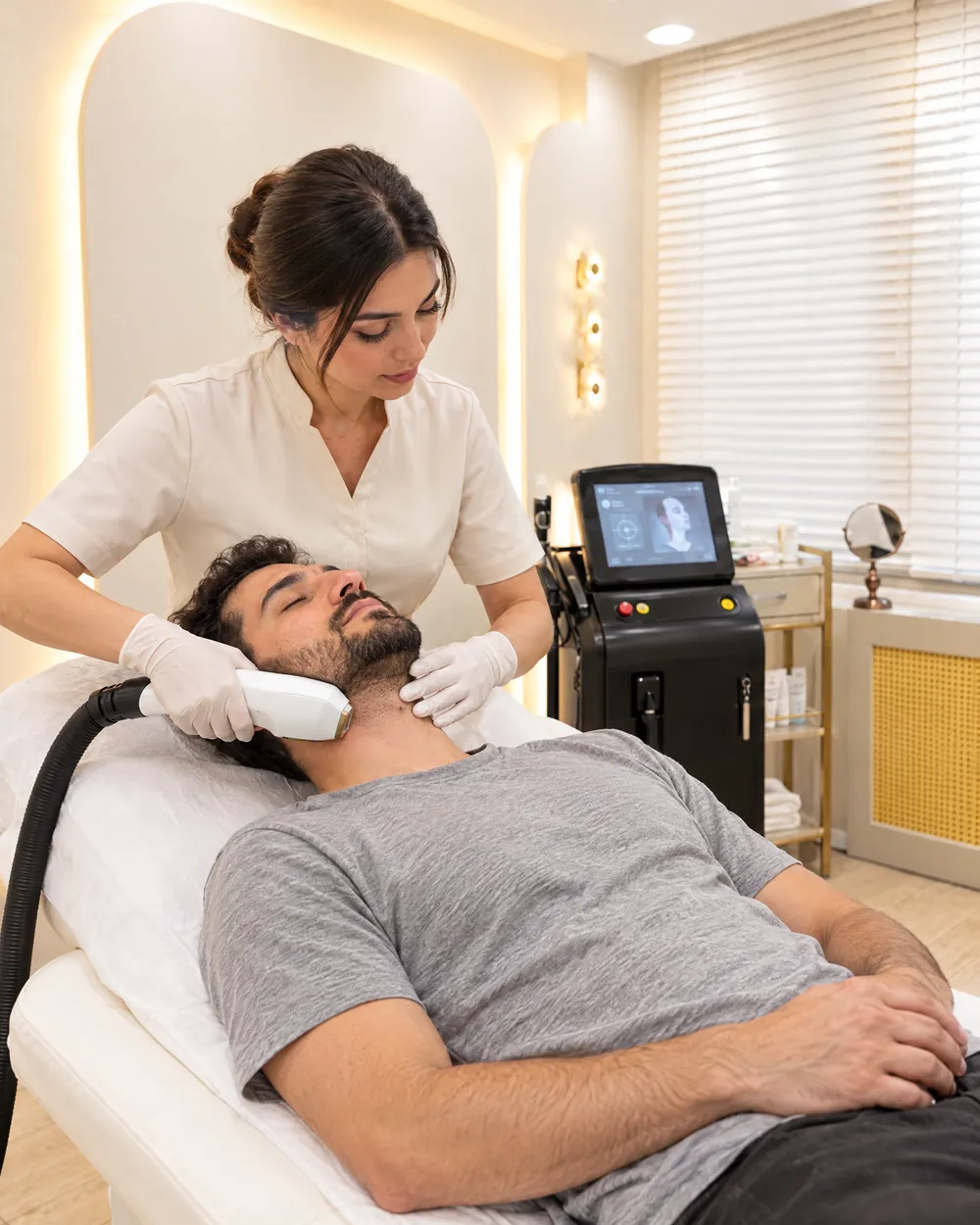
What makes Soprano Ice Platinum better suited to summer is that it combines three wavelengths in one handpiece and has a cooling system that keeps the skin cool. The Alexandrite (755 nm), diode (810 nm), and Nd:YAG (1064 nm) wavelengths work at different depths. Nd:YAG reaches deeper and is less affected by pigment at the skin's surface, which allows a more controlled session on dark or lightly tanned skin.
- Alexandrite (755 nm): Supports effectiveness on light skin and on fine, light-colored hair.
- Diode (810 nm): Works at a medium depth and is a balanced option for many skin types.
- Nd:YAG (1064 nm): Targets deeper roots and contributes to more controlled sessions on dark and tanned skin.
- Cooled handpiece: Keeps the skin surface cool throughout the session and adds comfort for skin sensitized by summer heat.
However advanced the device, the final decision comes from the skin evaluation before the session. At Vega Beauty, every session starts with a check of your skin's condition that day, by sight and touch.
Can you get laser hair removal on tanned skin?
On lightly tanned skin, a session can be done with the right wavelength and energy settings. With an intense, fresh tan, we usually wait for it to fade. The word “fresh” matters here: skin that has been in the sun in the last few days and still feels warm or looks slightly red is not a suitable base for laser.
| Skin condition | General approach | Note |
|---|---|---|
| Skin with no sun in the last 2 weeks | The session can go ahead with the planned settings | Keep up sun protection after the session |
| Light, settled tan | Done with lowered settings, usually with an Nd:YAG emphasis | A test patch is done first if needed |
| Intense, fresh tan | The session is usually postponed | Wait for the tan to fade |
| Sunburn, redness, peeling | No session | Wait until the skin has fully calmed |
| Self-tanning cream or spray use | Wait until the product has completely left the skin's surface | Must be mentioned at the initial consultation |
When the decision is uncertain, we do a test patch on a small area and watch how the skin reacts for a while. This small step reassures both you and the specialist performing the session.
What rules should you follow in summer?
The most important summer rule is to protect the area from the sun before and after each session. The list below gives you the basic framework for continuing your sessions safely through the summer.
- For 2 weeks before a session, don't expose the area to the sun, and don't use a tanning bed.
- If you use self-tanning creams or sprays, be sure to tell us before the session.
- Shave the area with a razor 24 hours before your session. Don't use waxing or tweezers.
- For the first 48 hours after a session, avoid hot showers, saunas, hammams, pools, and intense exercise.
- Keep the area out of direct sun for at least 2 weeks after the session.
- On your face and exposed areas, use broad-spectrum SPF 50 every day, even when it's cloudy, and reapply every 2–3 hours.
What happens if your sessions get interrupted over the summer?
Postponing a session by a few weeks in summer doesn't restart the process; it only extends the plan a little. Hair is at different growth stages, so laser sessions are repeated at set intervals. Each session can only target hair in the active growth stage, which is why it matters not to let intervals stretch too far.
Session intervals vary by area: usually shorter on the face and longer on areas such as the legs and back. In summer planning, the aim is to keep your intervals while sensibly shifting any sessions that fall during high-sun periods.
How do you build an ideal summer schedule for laser hair removal?
An ideal summer schedule starts by identifying your vacations and high-sun periods in advance, then placing sessions at least two weeks before them or after your tan has faded. Many of our clients start laser in fall or winter and have a good share of their sessions done by summer. Starting in summer is possible too; it just takes a little more careful planning.
- Mark your vacations, weddings, and beach plans on your calendar, and bring that information to your consultation.
- Consider moving areas that see little sun (underarms, bikini area) to the summer months and exposed areas to times of less sun.
- After a vacation, plan to wait a few weeks, as a rule, for your tan to fade.
- Try to keep your intervals for each area, and don't let them stretch longer than necessary.
- If you live in the city and get limited sun, you can keep going regularly through the summer by following the protection rules.
Even on summer days spent in the city, Istanbul gives you more sun exposure than you might think. Walks, outdoor cafés, and time in the car all count, especially for your face and arms. So we plan around your daily habits, not just your vacation days.
How should you care for your skin at home after a session?
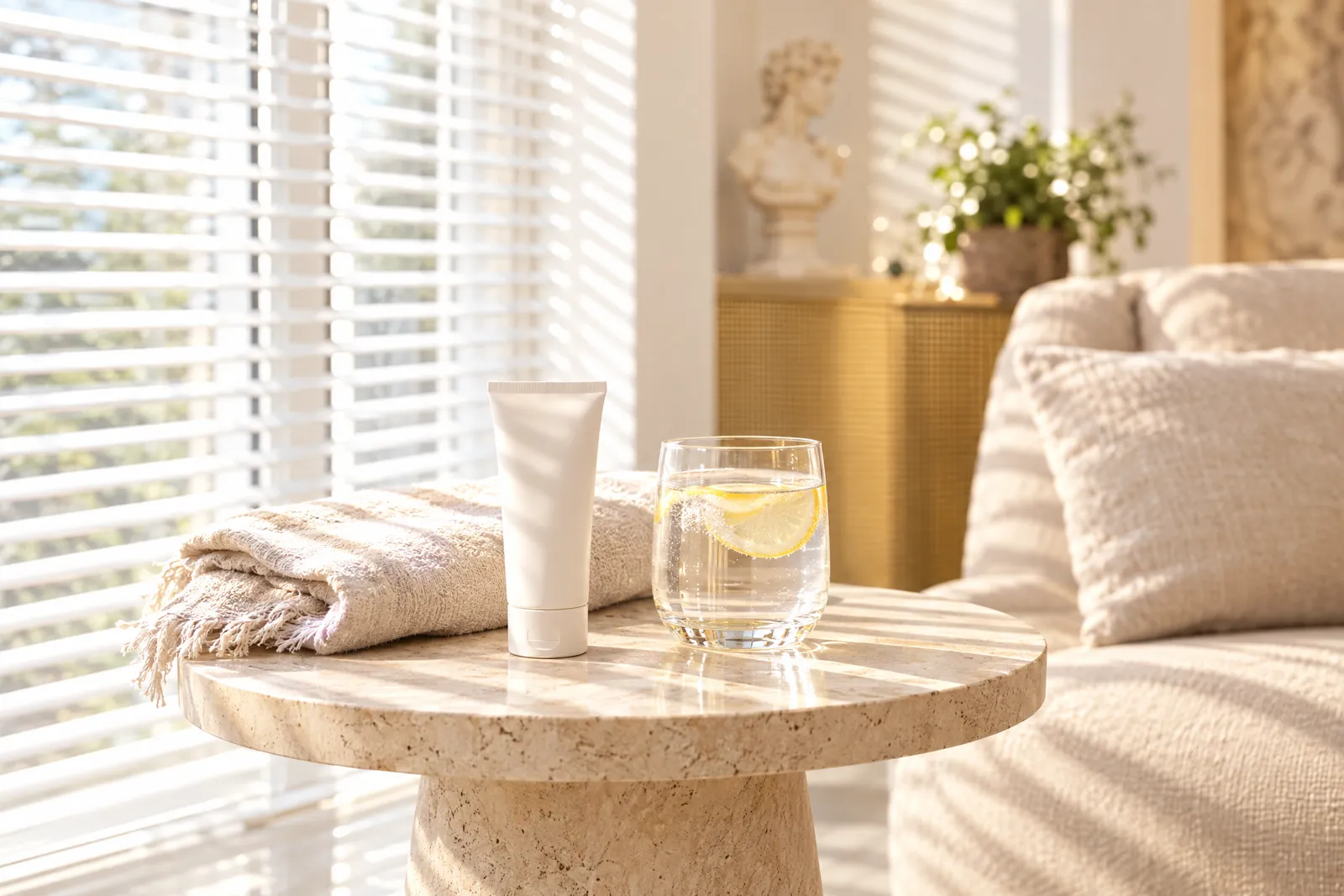
The aim of home care after a session is to keep skin cool, moisturized, and protected. Your skin may be more sensitive than usual for a few days after laser. Avoiding products and habits that strain it during this time adds comfort and helps prevent irritation.
- Apply a thin layer of the recommended soothing gel or a plain, fragrance-free moisturizer to the area.
- For the first week, don't use peels, exfoliating mitts, retinol, or acid products on the area.
- Choose loose cotton clothing over tight synthetic clothes.
- Use lukewarm water in the shower, and pat the area dry instead of rubbing it with a towel.
- If you feel itchy, apply a cool compress instead of scratching.
What are the common misconceptions about laser hair removal in summer?
The most common one is that laser can't be done in summer at all. What decides it, though, isn't the month but your skin's relationship with the sun. The same rules apply to someone coming back from a ski vacation in winter.
- “If I put on sunscreen, I can go straight out and tan.” In the first two weeks after a session, sunscreen alone isn't enough; you need to avoid direct sun.
- “Laser doesn't work on dark skin.” With the right wavelength and settings, sessions can be planned on dark skin too; the evaluation is individual.
- “If I miss one session, everything is wasted.” A short delay extends the plan but doesn't reset it.
- “If the device has cooling, the sun rules don't matter.” Cooling supports comfort, but it doesn't remove the risk for sun-exposed skin.
One rule applies in every season: laser is never applied to sun-exposed skin without an evaluation first.
When should you contact a specialist or a doctor?
If redness after a session lasts longer than 2–3 days, or you notice blistering, crusting, or a marked color change, contact us right away. These situations are rare, but it is always better to get advice early. Vega Beauty is a beauty and care center. If something calls for a medical evaluation, we refer you to a dermatologist.
At our center in Nişantaşı, we go over your medications, skin sensitivities, and summer plans together at the consultation. If you take medications that can cause light sensitivity, we recommend talking to your doctor before starting sessions.
Frequently asked questions
Can I start laser hair removal in summer?
Yes. If your skin hasn't been in the sun for the last two weeks and you can follow the sun protection rules after each session, you can start in summer after an initial evaluation. Planning your start date around your vacation dates makes it easier to move forward without disrupting your session intervals.
Can I swim in the sea or a pool after laser?
We recommend staying away from the sea, pools, saunas, and direct sun for the first 48 hours. Chlorinated or salt water can irritate sensitized skin. After that, keep protecting the area from the sun for at least two weeks and use high-SPF sunscreen on exposed areas.
Does laser leave marks on tanned skin?
The risk depends on how intense and how fresh your tan is and on the settings used. That's why a skin evaluation always comes before a session on tanned skin, and if needed, we check your skin's reaction with a test patch on a small area. With an intense tan, postponing the session is usually the wiser choice.
Is sunscreen enough after a session?
Sunscreen matters, but it isn't enough on its own in the first two weeks. During this time, keep the area out of direct sun, stay in the shade, and cover up with clothing when possible. Using sunscreen every day, including on cloudy days, and reapplying it through the day is a good habit.
Do session intervals change in summer?
The basic intervals are set by area and don't change with the season. But a session that falls during a vacation or a high-sun period can be moved by a few weeks. This delay doesn't restart the process; it only extends the plan a little. Continuing without letting intervals stretch too far has a positive effect on results.
Which areas can have laser in summer?
Under suitable conditions, sessions can be planned for all areas. Still, more care is needed on areas that get frequent sun, such as the face, arms, and legs. Areas that generally don't see the sun, such as the underarms and bikini area, are easier to schedule in summer.
Does summer sweating affect skin after laser?
Heavy sweating in the first 48 hours after a session can increase redness and itching on sensitized skin. So try not to stay out for long during the hottest hours, choose cool spaces, and wear loose cotton clothing. If you sweat, gently rinse the area with lukewarm water and pat it dry.
Published: · Vega Beauty editorial team. This article is general information and does not replace a medical diagnosis or advice; whether a service suits you is assessed at your consultation.