Hair Removal
What causes ingrown hairs, and how can you prevent them? A guide to shaving, waxing, and laser

In short
An ingrown hair is a hair that can't reach the surface of the skin and stays trapped underneath, either curling back inward or growing sideways. It usually follows shaving, waxing, or using an epilator, and it is more common with curly, coarse hair. Good shaving technique, regular gentle exfoliation, and laser hair removal, which reduces hair density, can help reduce ingrown hairs.
Small, itchy bumps that show up a few days after shaving, or dark dots left on the skin after waxing, are a familiar problem for many people. Ingrown hairs can be a nuisance for both appearance and comfort. In this post we explain why they form, how daily habits can reduce them, and what role laser hair removal plays.
What is an ingrown hair, and how does it form?
An ingrown hair is a hair that should reach the surface of the skin but stays beneath it, curling or growing sideways. The body can perceive this hair as a foreign object, and redness, itching, a small bump, or a dark spot can appear in the area.
Ingrown hairs usually form in one of two ways. Either the hair emerges from the skin, then curls and re-enters it, or dead skin cells in the hair canal stop the hair from getting out and it grows sideways. In both cases, how the hair was cut, the condition of the skin's surface, and the structure of the hair play a deciding role.
What are the main causes of ingrown hairs?
The main causes are poor shaving technique, methods that pull hair out by the root, a buildup of dead cells on the skin's surface, and curly or coarse hair. Friction from tight clothing also raises the risk.
- Hair type: Curly and coarse hairs are more prone to bending back into the skin.
- Shaving technique: Cutting hair very short and to a sharp point makes it easier for it to re-enter the skin.
- Waxing and epilators: Hair pulled out by the root can change direction as it regrows through a weakened or narrowed canal.
- Dead skin buildup: Dead cells on the skin's surface can block the hair canal.
- Friction: Tight pants, synthetic underwear, and workout clothes can change the direction of the hair.
- Dry skin: A dry skin surface hardens and makes it harder for hair to emerge.
How do you prevent ingrown hairs when shaving?
Preventing ingrown hairs when shaving comes down to not cutting the hair too short and not irritating the skin. A sharp razor, shaving with the grain, and good preparation make a big difference.
- Soak the area in lukewarm water for a few minutes before shaving. This softens the hair and prepares the skin.
- Use a fragrance-free shaving gel or foam that gives good glide.
- Choose a sharp, clean razor. A dull blade irritates the skin and cuts hair unevenly.
- Shave in the direction of hair growth. Shaving against the grain may look smoother, but it cuts the hair below the skin's surface.
- Don't run the razor over the same area again and again, and don't pull the skin taut.
- After shaving, rinse the area with cold water and apply an alcohol-free, soothing moisturizer.
Ingrown hairs are common in the beard and neck area in men. In these areas, instead of shaving every day, try shaving less often if you can, or use an electric trimmer that leaves the hair short rather than taking it down to the skin. This can give your skin a break.
How do you reduce ingrown hairs after waxing?
To reduce ingrown hairs after waxing, wax according to the direction of hair growth, moisturize the skin afterward, and start gentle exfoliation a few days later. Because waxing pulls hair out by the root, the new hair comes in finer and weaker, and that fine hair can struggle to reach the surface.
- Clean and dry the area before waxing. Oily skin keeps the wax from gripping properly.
- For the first 24 hours after waxing, avoid hot showers, saunas, and tight clothing.
- Starting 2–3 days after waxing, exfoliate gently twice a week.
- Moisturize your skin every day. Moisturized skin makes it easier for new hair to reach the surface.
How should you exfoliate?
Exfoliation removes dead cells from the skin's surface and makes it easier for hair to emerge. But harsh or frequent exfoliation can irritate the skin and backfire. For most people, exfoliating once or twice a week in circular motions with a soft exfoliating glove or a fine-grain product is enough. Don't exfoliate areas that are irritated, red, or cut.
How does laser hair removal help with ingrown hairs?
Laser hair removal helps reduce ingrown hairs by lowering hair density and the need for shaving or waxing. Since the main cause of ingrown hairs is hair being cut or pulled, the problem eases for most people as those routines become less frequent.
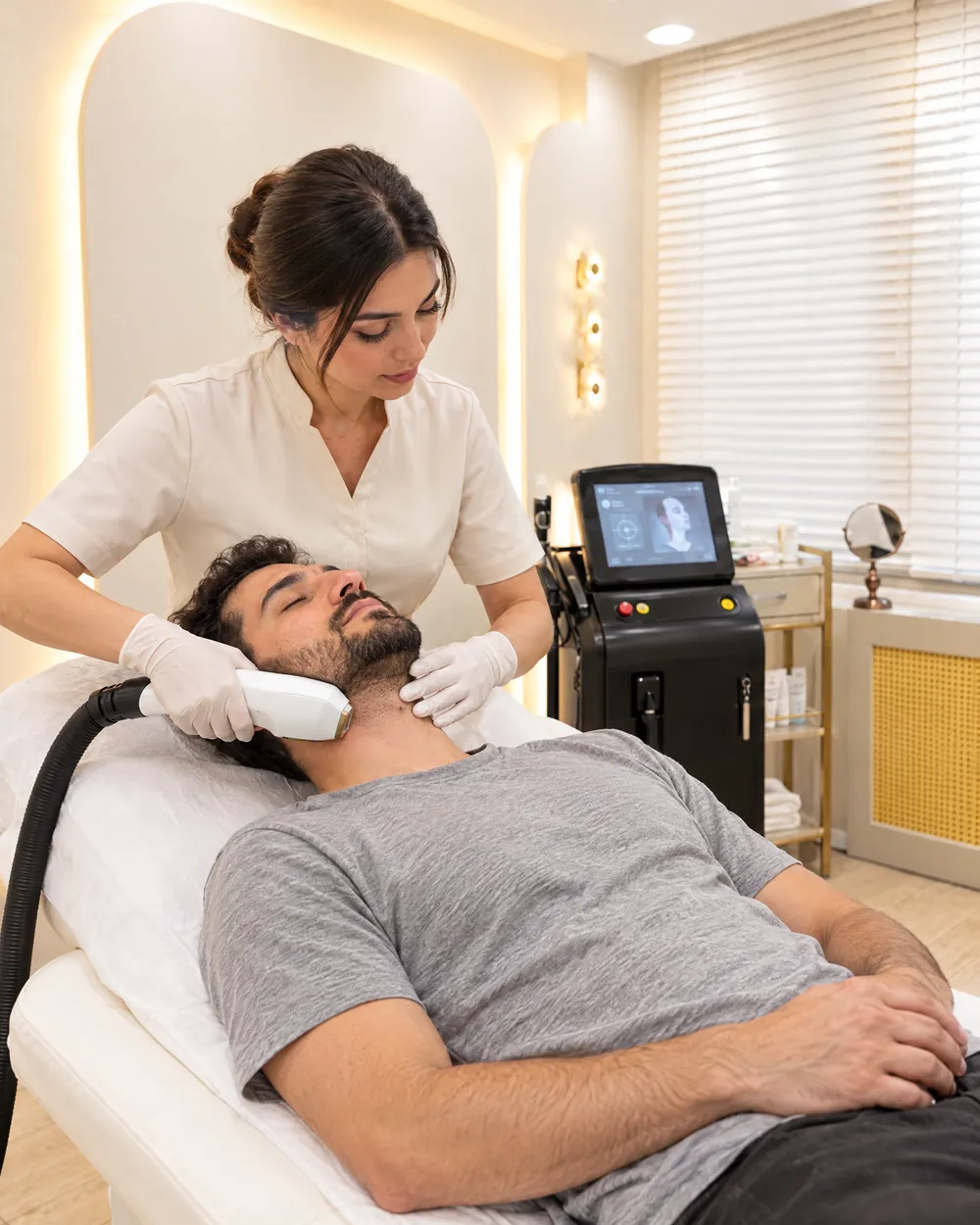
Soprano Ice Platinum combines the Alexandrite (755 nm), diode (810 nm), and Nd:YAG (1064 nm) wavelengths to target hair roots at different depths. The curly, coarse hairs most likely to become ingrown generally respond well to laser because they are rich in pigment. The cooled handpiece also supports comfort in areas that have become sensitive because of ingrown hairs.
| Method | Ingrown hair risk | Why |
|---|---|---|
| Razor shaving | Moderate to high | Hair is cut short and sharp and can curl back into the skin |
| Waxing | Moderate to high | Fine new hair can struggle to reach the surface |
| Epilator | High | Hair is pulled out by the root, and the canal can be damaged |
| Hair removal cream | Low to moderate | Hair dissolves at the surface, but the skin can get irritated |
| Electric trimmer (leaves hair short) | Low | Hair isn't cut down to the skin, so it's less likely to turn back in |
| Laser hair removal | Low (as sessions progress) | Hair density falls, and the need for shaving and waxing drops |
Whether laser can be used on an area with ingrown hairs depends on the condition of the area that day. Mild bumps and dark dots often aren't an obstacle, but we don't work on inflamed, painful, or open areas until they have calmed down.
What should a daily home routine for ingrown hairs look like?
An effective home routine consists of gentle cleansing, regular moisturizing, exfoliating once or twice a week, and choosing clothes that reduce friction. These steps may look simple on their own, but done regularly they help reduce ingrown hairs.
Washing the area in the shower with lukewarm water and a gentle, fragrance-free cleanser prepares the skin. Applying an alcohol-free, fragrance-free moisturizer while your skin is still slightly damp keeps the surface soft, and soft skin makes it easier for new hair to reach the surface. In delicate areas such as the bikini line, choose light-textured products over heavy, pore-clogging oils.
Clothing is also an important part of the routine. Especially in the first days after shaving or waxing, cotton underwear and loose-fitting clothes reduce friction and help keep hairs from changing direction. Not staying in sweaty clothes for long after a workout, and cleaning and drying the area, also reduces the tendency. If ingrown hairs keep coming back despite all these steps, it may be time to rethink your hair removal method.
What are common misconceptions about ingrown hairs?
The most common misconception is that an ingrown hair has to be pulled out with tweezers. Anything that forces the skin raises the risk of scarring, dark marks, and inflammation. Other common myths include:
- “Shaving against the grain causes fewer ingrown hairs.” Shaving against the grain cuts the hair below the skin's surface and raises the risk.
- “Exfoliating every day prevents ingrown hairs.” Too much exfoliation irritates the skin and weakens its barrier.
- “Only men get ingrown hairs.” The bikini line and legs are among the most common areas for ingrown hairs in women.
- “Alcohol-based lotion dries out ingrown hairs.” Alcohol can dry and irritate the skin, making the problem worse.
With ingrown hairs, the answer lies less in working on the hair and more in learning to leave your skin alone.
There is no single magic step for preventing ingrown hairs. What decides the outcome is a set of small habits that work together. Good shaving technique, regular moisturizing, moderate exfoliation, and comfortable clothing make a clear difference for most people. If the problem persists despite these steps, laser hair removal, which aims to reduce hair density, may be worth considering. The right path for you is decided by looking at your hair type and the condition of your skin together.
When should you see a doctor about an ingrown hair?
If there is painful swelling, warmth, discharge, or a fast-growing bump around an ingrown hair, you need to see a doctor. These signs can point to something that needs assessment beyond care. Vega Beauty is a beauty and care center. In these cases we don't make a diagnosis, and we refer you to a dermatologist.
- Inflamed, painful bumps that keep getting bigger
- Warmth, spreading redness, or fever in the area
- Ingrown hairs that keep coming back and leave scars
- Dark marks that haven't faded after months
If ingrown hairs are a problem for you, we look together at your hair type, your current hair removal method, and the condition of your skin at a consultation at our center in Nişantaşı. We suggest a plan that suits you and, if needed, recommend getting a doctor's opinion before starting any session.
Frequently asked questions
Where do ingrown hairs appear most often?
Ingrown hairs appear most often in areas that are frequently shaved or waxed and where hair is coarse or curly. In women, the most affected areas are the bikini line, underarms, and legs. In men, they are the beard, neck, and nape. The risk rises further in areas with a lot of friction.
Is it OK to pull out an ingrown hair with tweezers?
Digging at an ingrown hair with tweezers or squeezing it by forcing the skin isn't recommended, since this can raise the risk of scarring, dark marks, and inflammation. If the hair is very close to the surface and has become visible on its own, you can gently lift just the tip out with clean tweezers. If you aren't sure, it is safer to leave the area alone.
Does laser hair removal reduce ingrown hairs?
Because laser hair removal reduces hair density and the need for shaving or waxing, it helps ease ingrown hairs for most people. The effect becomes clearer as sessions progress. If the area has inflamed or open ingrown hairs, the session is postponed until it calms down.
Do dark marks from ingrown hairs go away?
For most people, dark marks left by ingrown hairs fade over time, but this can take anywhere from a few weeks to a few months. Not irritating the area, moisturizing regularly, and protecting it from the sun support the fading. For marks that haven't faded after months, we recommend seeing a dermatologist.
How often should I exfoliate for ingrown hairs?
For most people, gentle exfoliation once or twice a week with a soft exfoliating glove or a fine-grain product is enough. It is better to start 2–3 days after shaving or waxing rather than right away. Don't exfoliate areas that are red, cut, or inflamed.
Can laser be used on an area with ingrown hairs?
Mild bumps and dark dots aren't an obstacle to laser in most cases. But if the area has painful, inflamed, or open ingrown hairs, the session waits until it calms down. We assess the area together before your session and, if needed, recommend that you see a doctor.
Published: · Vega Beauty editorial team. This article is general information and does not replace a medical diagnosis or advice; whether a service suits you is assessed at your consultation.