Hair & Scalp
A care guide for colored and damaged hair: moisture, protein, and repair
In short
Colored and damaged hair loses moisture faster and breaks more easily because its outer layer has been harmed. The foundation of care is gentle washing, heat protectant before every heat styling, masks that balance moisture and protein, and regular trims. Professional Hair Care supports this routine with products chosen for your hair's structure.
Hair color, lightening, blow-dryers, and curling irons all give us the look we want, but there is a price. Over time hair turns dull and staticky, the ends break, and color fades faster than expected. The good news is that with the right habits, damaged hair can look much softer, shinier, and easier to style. In this guide we cover how damage happens, its signs, daily care rules, the myths you often hear, and how to find the balance when choosing a mask.
Why does hair get damaged?
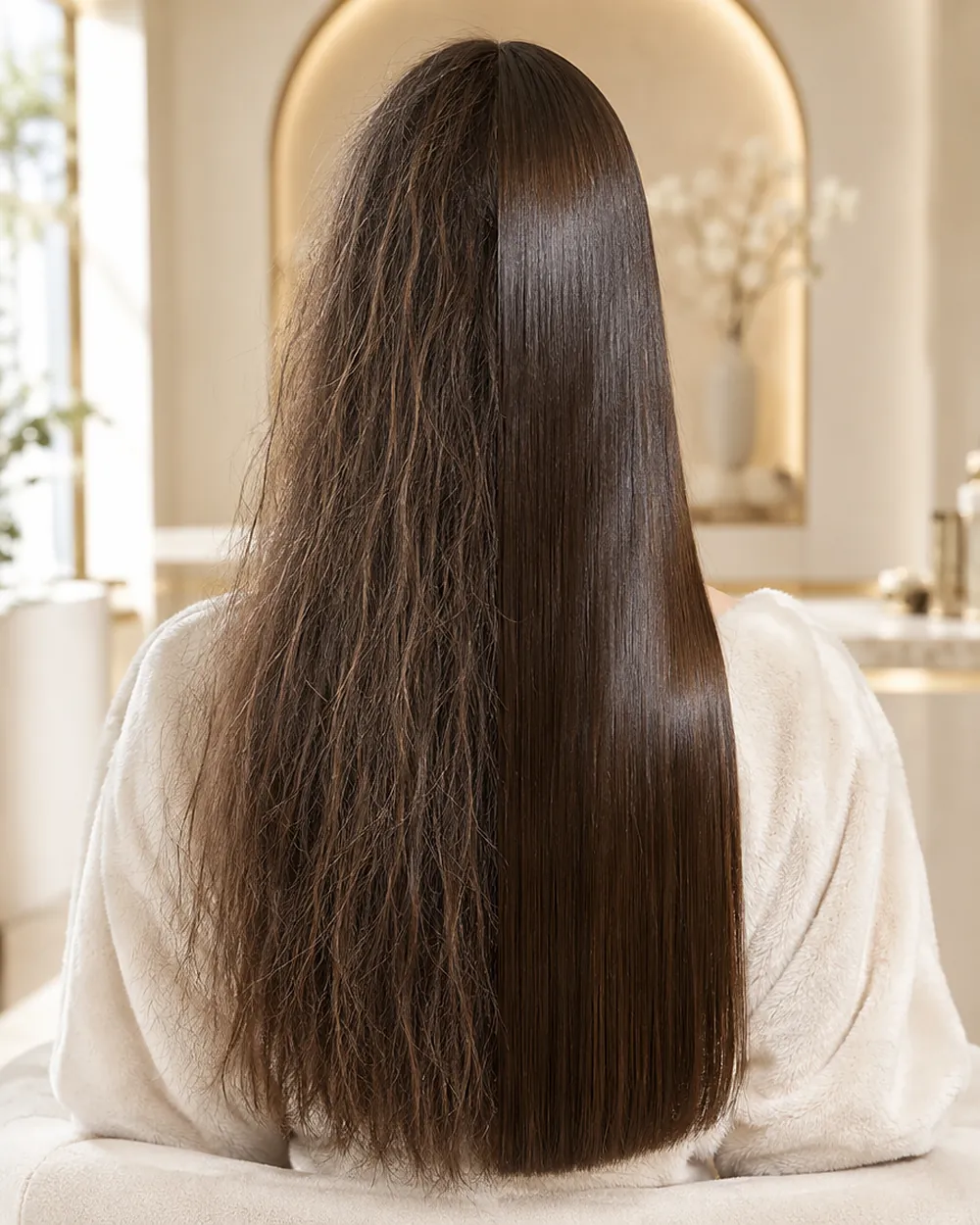
Hair gets damaged when its outermost protective layer, the cuticle, is harmed. On a healthy strand, the cuticle scales lie smooth and closed like roof tiles, which lets the hair hold moisture and reflect light so it looks shiny. Chemical services such as color, lightener, perms, and straightening lift these scales, and high heat and mechanical friction wear them down.
- Hair color and especially lightening services (highlights, balayage, going blonde)
- Blow-drying, curling, and flat-ironing at high heat
- Keratin, perms, and chemical straightening
- Sun, seawater, chlorinated pool water, and pollution
- Rough combing, tight hair ties, and rubbing hair dry with a towel
- Broken ends that have gone a long time without a trim
These factors do not act alone; they add up. For example, flat-ironing lightened hair at high heat every day multiplies the damage. That is why a care plan should be built with your hair's service history in mind.
How can you tell your hair is damaged?
The clearest signs of damaged hair are dullness, dryness, static, split ends, and easy breakage. If your hair stretches too far and snaps when wet, or feels stiff like straw once dry, the damage may be advanced. In colored hair, fast fading and uneven color hold are also signs of damage.
- Run your fingers along the length of your hair from bottom to top. A rough feel may point to lifted cuticles.
- Gently stretch a wet strand. If it snaps without stretching at all, it may need moisture; if it stretches a lot and does not spring back, it may need protein.
- Look at your ends in daylight. Split ends and white dots show that breakage has begun.
- Notice how long your hair takes to dry. Hair that gets wet very quickly and dries very quickly is usually high-porosity.
- Track how fast your color fades. If it fades within a few washes, your hair may be struggling to hold color.
These observations are useful at home, but your hair's porosity and degree of damage are clearer with a professional assessment. At Vega Beauty, Hair Care starts with a short analysis of your hair and scalp and an initial consultation about your service history.
How often should you wash colored hair?
Wash colored hair according to what your scalp needs but as rarely as you can, which for most people means two or three times a week. Every wash takes some color pigment out of the strand, so washing more than necessary contributes to faster fading. Then again, leaving an oily scalp unwashed upsets its balance, so the point is to find the right middle ground.
- Use lukewarm or cool water; hot water can lift the cuticle and increase color loss.
- Apply shampoo only to your scalp; the foam that runs down as you rinse cleans the lengths well enough.
- Choose gentle shampoos developed for colored hair.
- Apply conditioner to your lengths and ends after every wash.
- Try not to wash your hair for the first 48–72 hours after coloring.
Why does heat protection matter so much?
Heat protection matters because the high heat of blow-dryers, curling irons, and flat irons directly affects the moisture and proteins in the strand. On damaged and colored hair the cuticle is already lifted, so the effect of heat is even more pronounced. A heat protectant aims to reduce this effect by forming a barrier between the strand and the heat source.
Spread heat protectant evenly through the lengths and ends of damp hair, then comb through so it reaches every strand. Use flat irons and curling irons at the lowest heat that works, and rather than passing over the same section again and again, try styling thinner sections in a single pass. Letting your hair go without heat styling a few days a week also slows the progress of damage.
The most effective care for damaged hair starts with preventing the next round of damage.
Are the myths about sulfates and silicones true?
Some of what circulates about sulfates and silicones is true, and some of it is exaggerated. Neither ingredient is “good” or “bad” on its own; each should be judged against your hair type, how often you use it, and the product's overall formula. Let's go through the myths we hear most often and what is really going on.
- “Sulfates are harmful for all hair”: Sulfates are strong cleansers. Gentler cleansers may be preferable for colored and dry hair, but an occasional deep cleanse can be useful for scalps with heavy product buildup.
- “Sulfate-free shampoo doesn't clean hair well enough”: Gentle shampoos also clean the scalp when applied correctly; they may just lather less.
- “Silicones suffocate hair”: Silicones form a thin film on the surface of the strand that can provide slip, shine, and support against heat. The problem is heavy silicones building up without regular clarifying.
- “Silicone-free products are always better”: On very damaged, easily tangled hair, light silicones can make combing easier and help reduce breakage.
- “Natural products never build up”: Heavy plant oils and butters can also build up on hair.
Here is a practical approach: if your hair feels weighed down, looks dull, and has lost volume, it may be buildup, and an occasional clarifying shampoo will help. If your hair is dry, rough, and tangles easily, more nourishing products with slip may suit your needs.
Which hair mask should you choose: moisture, protein, or repair?
The right mask is the one that balances moisture and protein for what your hair needs at the moment. Moisture masks give hair elasticity and softness, while protein masks support the strand's structure and make it feel stronger. Repair masks usually contain both and are designed for heavily damaged hair. Using one type all the time can throw off the balance.
| Mask type | When you need it | Signs in your hair | How to use it |
|---|---|---|---|
| Moisture mask | When hair is dry, stiff, and staticky | Dull look, frizz, straw-like feel, little stretch when wet | 1–2 times a week, on lengths and ends |
| Protein mask | When hair is overly soft, rubbery, and breaks easily | Stretches a lot when wet, does not hold a style, snaps | Every 2–4 weeks; overuse can make hair stiff |
| Repair mask | For heavy damage after lightening or chemical services | Both dryness and breakage, split ends | Once a week, alternating with a moisture mask |
| Color-protecting mask | When color starts to fade on colored hair | Dulling tone, loss of shine | Regularly in the weeks after coloring |
| Light nourishing mask | For fine hair that gets weighed down easily | Heaviness at the roots, loss of volume | Once a week, only near the ends |
An easy way to gauge the protein and moisture balance is to notice how your hair feels after a mask. If it turns stiff and brittle after a protein mask, moisture may be the greater need. If it feels too soft and shapeless after a moisture mask, you can make room for protein next time.
What can professional Hair Care offer damaged hair?
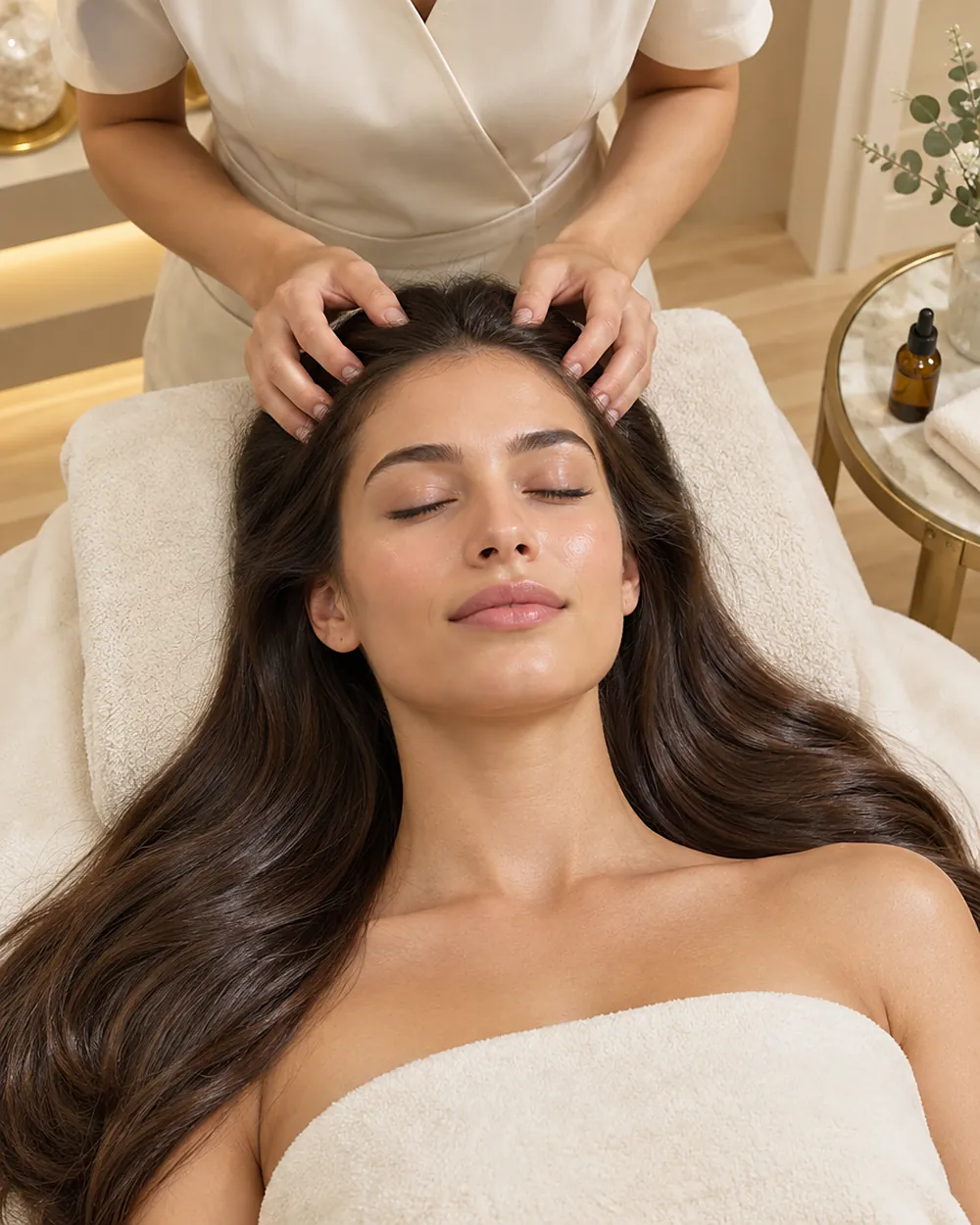
Professional Hair Care aims to help damaged hair look softer and shinier, using masks, serums, and moisture applications chosen for your hair's porosity, thickness, and service history. It complements your home routine and gives you an outside eye on what your hair needs. For colored hair, we choose products that help protect color and support moisture.
- We examine your hair and scalp and talk through the degree of damage and your service history.
- Your hair is cleansed with a gentle shampoo suited to its structure.
- A nourishing mask and serum chosen for your needs are applied, and may be supported with heat or steam.
- After rinsing and drying, we share home care recommendations.
A session usually takes 45–60 minutes and, depending on your hair's condition, is recommended 1–2 times a month for most people. At Vega Beauty, care takes place in our private rooms in Nişantaşı and follows a personalized plan. If we notice something on your scalp such as itching, redness, or heavy shedding, we will tell you and suggest seeing a dermatologist.
What should a daily routine for damaged hair look like at home?
Home care for damaged hair comes down to gentle washing, regular moisture, heat protection, and small habits that reduce mechanical damage. After a few weeks of this routine, you may notice your hair combs more easily and breaks less.
- After washing, press your hair dry with a towel; do not rub.
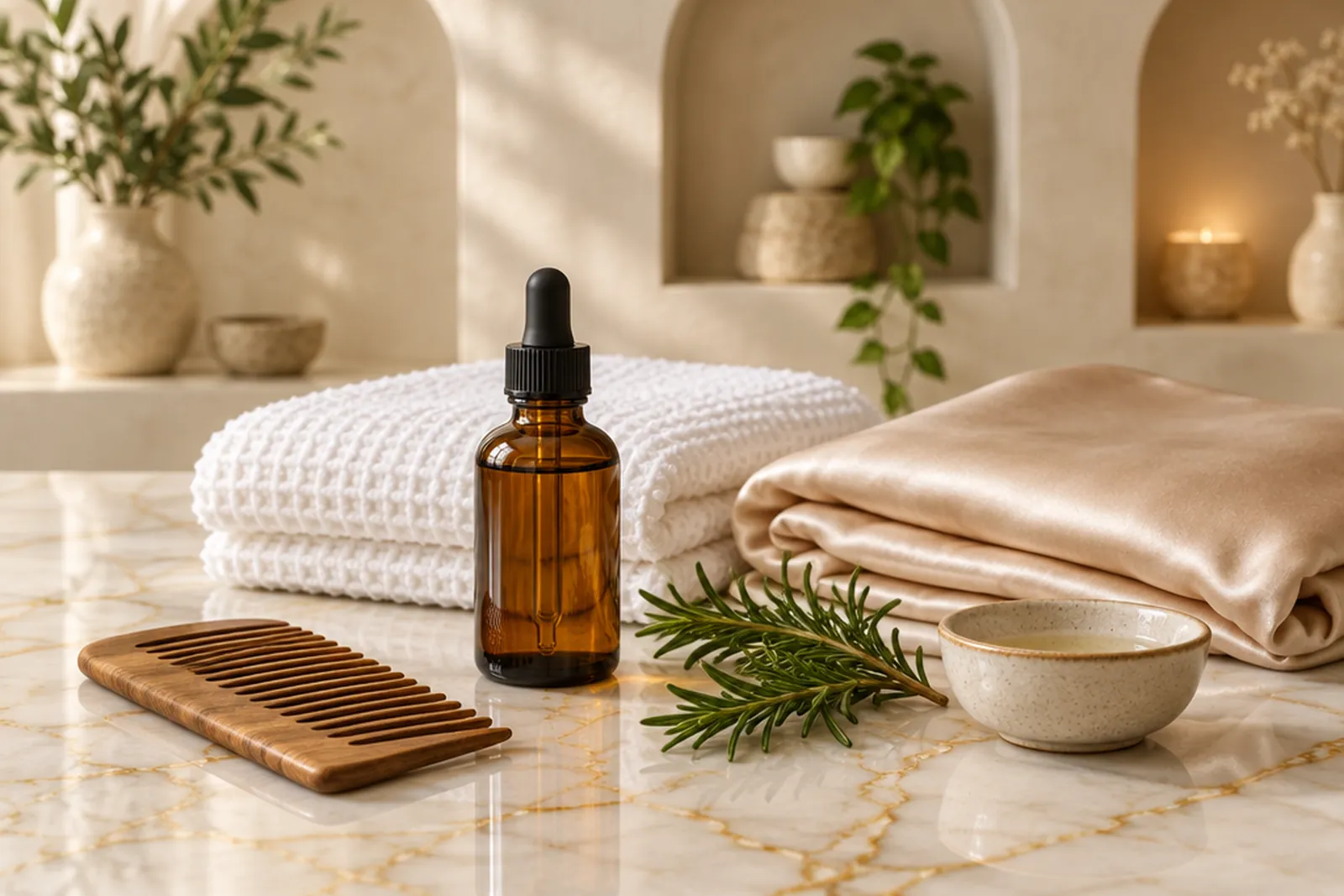
- Nourish your ends with a leave-in cream or a light serum.
- In the sun and at the beach, protect your hair with a hat or protective spray, and rinse it with fresh water after the pool.
- Choose soft hair ties over ones with metal parts.
- Trim your ends every 8–12 weeks to keep breakage from traveling up the strand.
Frequently asked questions
How many times a week should colored hair be washed?
Depending on what your scalp needs, most people can wash colored hair two or three times a week. Every wash removes some color pigment, so washing more than necessary contributes to fading. Lukewarm water, a gentle shampoo, and skipping washes for the first 48–72 hours after coloring help preserve color.
Does damaged hair need moisture or protein?
That depends on its current condition. Dry, stiff, frizzy hair usually needs moisture; hair that is overly soft, stretches like rubber, and snaps easily tends to need protein. Most damaged hair benefits from a balanced routine that alternates the two mask types.
Is sulfate-free shampoo a must for colored hair?
It is not a must, but shampoos with gentle cleansers can help color last longer on colored and dry hair. If you use a lot of styling products, an occasional deep cleanse with a clarifying shampoo may also be needed. Choose based on what your scalp and hair need.
Do silicone products damage hair?
Silicones form a thin film on the surface of the strand that provides slip and shine and can offer support against heat. The problem is usually heavy silicones building up without regular clarifying. If your hair feels weighed down and looks dull, an occasional clarifying shampoo may be enough.
Is heat protectant really necessary?
Yes. Especially on colored and damaged hair, heat protectant aims to reduce damage by forming a barrier between the strand and the high heat of blow-dryers, curling irons, and flat irons. Apply it evenly to damp hair, then use your tools at the lowest heat that works.
How often should I have professional Hair Care?
Professional Hair Care is generally recommended 1–2 times a month, depending on the degree of damage. Heavily lightened or very damaged hair may be scheduled more often at the start. The frequency is set individually after your hair is examined at your consultation.
Published: · Vega Beauty editorial team. This article is general information and does not replace a medical diagnosis or advice; whether a service suits you is assessed at your consultation. Cover photo: Alex Suprun / StockSnap (CC0).