Skin Care
Classic Facial or Professional Facial? The differences and how to choose
In short
A Classic Facial is a foundational care ritual of steam, cleansing, pore extraction, massage, and a mask, following similar steps on every skin. A Professional Facial begins with a skin analysis and selects its peel, extraction, ampoule, and mask steps according to what your skin needs that day. If you're new to facials, the Classic Facial is a good introduction; if you have a specific need, the professional protocol is a more precise fit.
One of the questions clients at our center ask most often is this: “They're both facials, so what's the difference?” It's a fair question, because the two menus use similar words: cleansing, extraction, massage, mask. The difference lies less in the steps themselves and more in how the facial is designed. In this post, we compare the Classic Facial and the Professional Facial step by step, explain which is more suitable for which skin and which stage, and show where device-assisted facials like Hydrafacial and Oxygeneo fit into the picture.
What is a Classic Facial, and what are its steps?
A Classic Facial is a ritual of about 60 minutes built on the basic logic of skin care: first cleanse the skin, then soften the pores with steam and clear out buildup, and finally calm the skin with massage and a mask. The steps are largely fixed. Product choice varies by skin type, but the backbone of the facial stays the same each time.
- Makeup and dirt removal: The skin is cleared of makeup and the dirt that built up during the day.
- Steam: Warm steam softens buildup in the pores and makes the extraction step easier.
- Pore extraction and toner: Blackheads and clogged pores are cleared by hand, using gentle techniques.
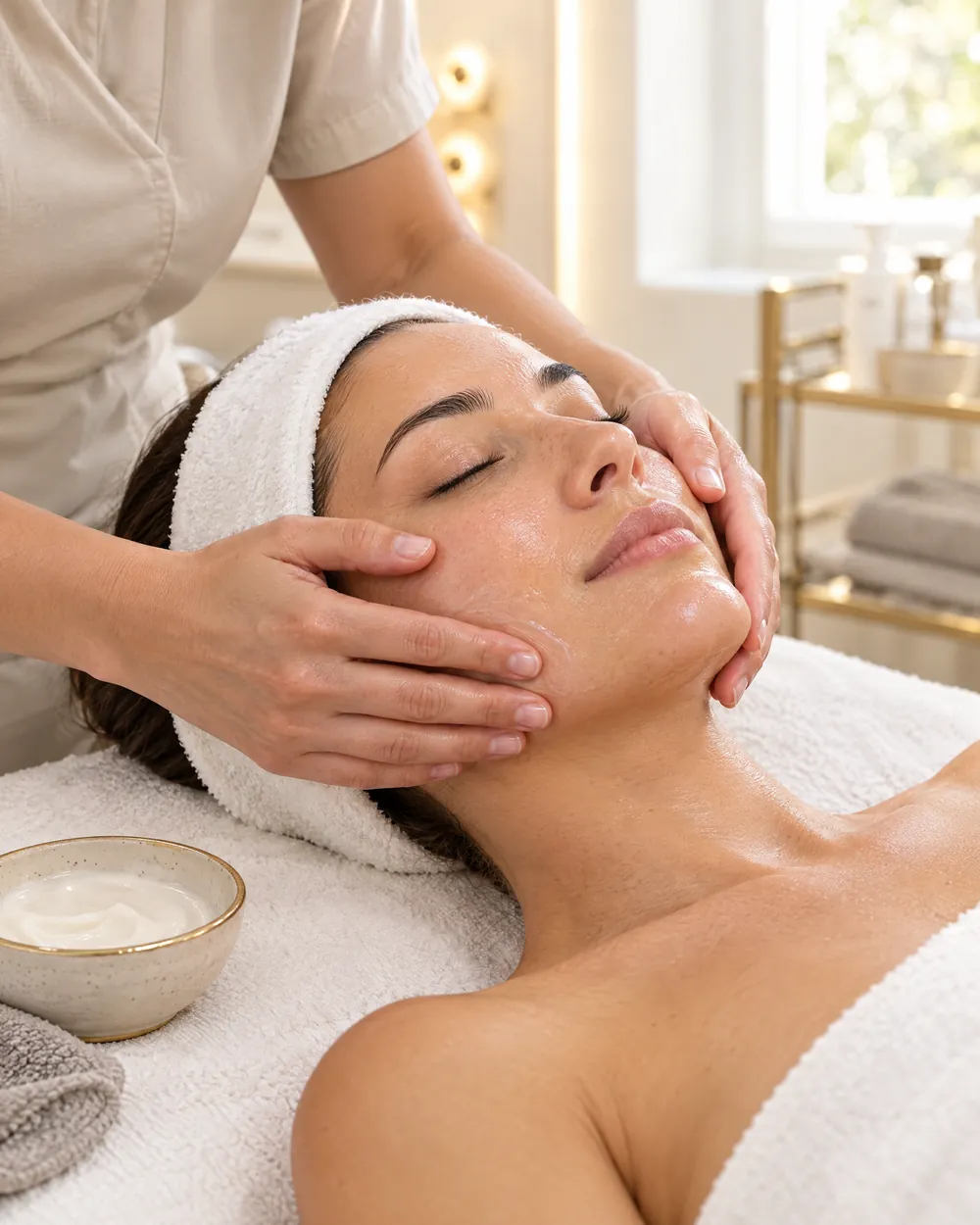
- Facial massage: Eases tension in the face and gives the skin a rested look.
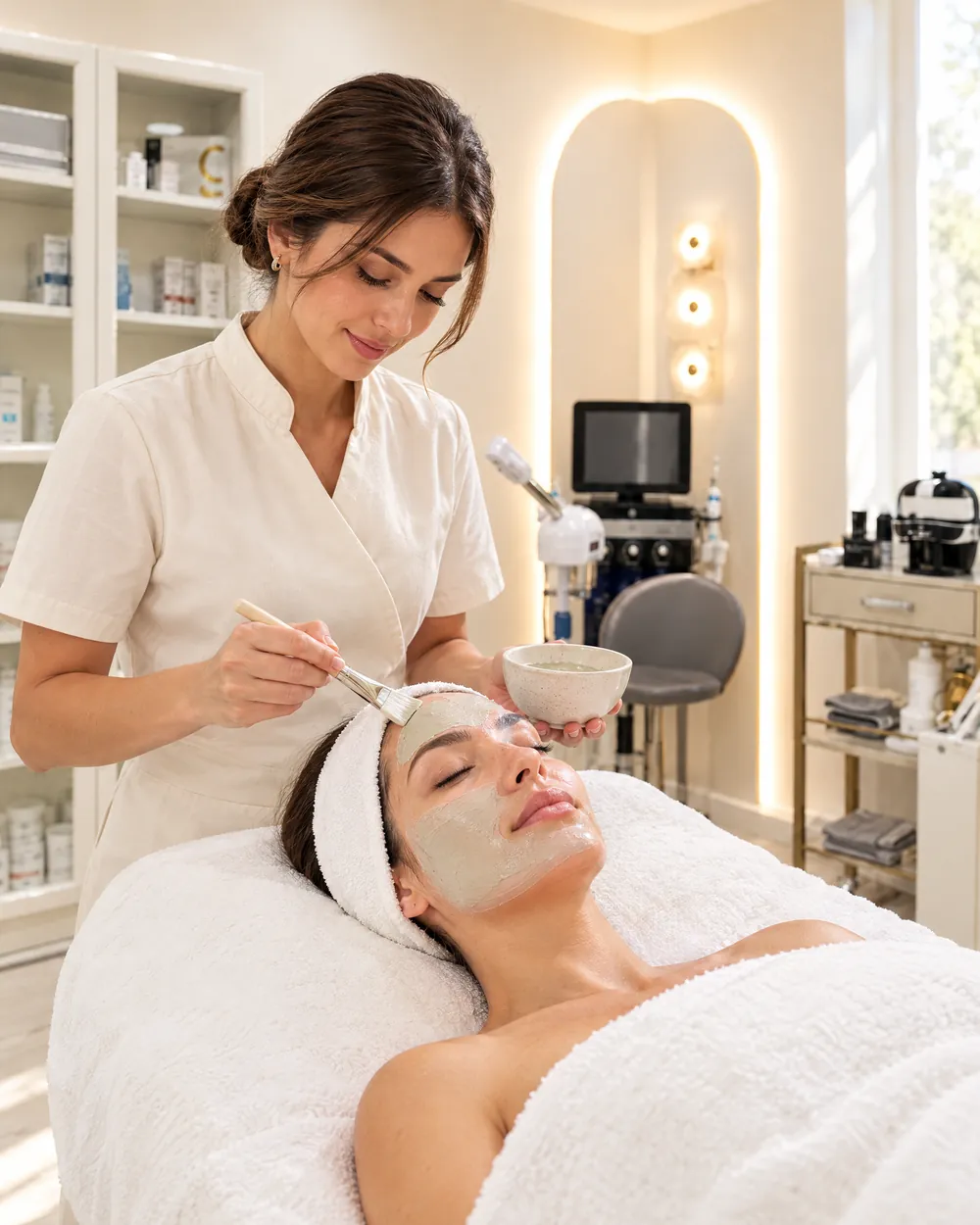
- Mask and moisturizing: The facial finishes with a mask suited to your skin.
The strength of the Classic Facial is its simplicity. It cleanses without overloading the skin, relaxes you through massage, and serves many of our clients as a break from the fatigue of the day.
What is a Professional Facial, and how does it differ from a Classic Facial?
A Professional Facial is a comprehensive protocol of about 60–75 minutes that begins with a skin analysis and is designed around how your skin looks that day. The analysis assesses oil and moisture balance, pore structure, sensitivity, and any tendency toward pigmentation. The type of peel, whether extraction is needed, and the choice of ampoule and mask all follow from this assessment.
For example, extraction takes center stage on oily skin with visible pores, while on sensitive skin steam is reduced or skipped altogether and soothing, barrier-supporting ingredients are preferred. So what sets the Professional Facial apart isn't that it's “stronger” but that it's “more personal.” The facial is chosen to balance the skin, not to wear it out.
How do the Classic Facial and Professional Facial compare side by side?
The table below shows the general framework of each facial. At our center, durations and frequency are finalized at the consultation based on the condition of your skin.
| Criterion | Classic Facial | Professional Facial |
|---|---|---|
| Starting point | A brief skin assessment | Detailed skin analysis |
| Core steps | Steam, cleansing, extraction, massage, mask | Cleansing, peel suited to your skin, extraction if needed, ampoule, massage, mask |
| Personalization | Products chosen by skin type; steps stay fixed | Steps and products chosen for your skin's needs that day |
| Duration | About 60 min | About 60–75 min |
| Suggested frequency | Every 4–6 weeks | Usually once a month |
| Most suited to | First-timers and those looking to relax | People with a clear need, such as pores, oiliness, or a tendency toward pigmentation |
| On sensitive skin | Steam and extraction can be hard on the skin | The protocol is adapted toward soothing steps |
Which skin is the Classic Facial more suitable for?
A Classic Facial is a good choice if your skin has no pronounced concerns but you want regular cleansing and a care break. We especially suggest starting with a Classic Facial in these situations:
- You've never had a facial at a center before and want to see how your skin responds.
- Blackheads and clogged pores show up from time to time but haven't become an ongoing problem.
- Your skin is normal or combination and isn't prone to sensitivity.
- You want relaxation and rest from a facial as much as you want clean skin.
When does a Professional Facial make more sense?
If a particular need stands out on your skin, or you aren't sure whether the products you use at home suit you, a Professional Facial is the more precise choice. The analysis is as valuable as the facial itself, because we can simplify your home routine based on it.
- You have oily skin, visible pores, or frequent blackheads.
- A tendency toward pigmentation, dullness, or uneven texture bothers you.
- Your skin swings between dry and oily during seasonal changes and you can't find a balance.
- You use more than one active product at home and don't know which one is straining your skin.
- You want to set up a regular monthly care plan.
Which should you choose for sensitive, redness-prone skin?
On sensitive, redness-prone skin, the steam and manual extraction steps of a Classic Facial can be hard on the skin. For this skin, rather than a fixed-step ritual, a Professional Facial protocol with reduced or no steam, limited extraction, and an emphasis on soothing ingredients is more suitable. If your skin feels tight and dehydrated, a Moisture Facial can also be a good place to start.
We covered the difference between sensitive skin and stressed skin in a separate post on our blog. If your skin has been reacting to every product lately, that post may help you decide.
Where do Hydrafacial and Oxygeneo fit in this picture?
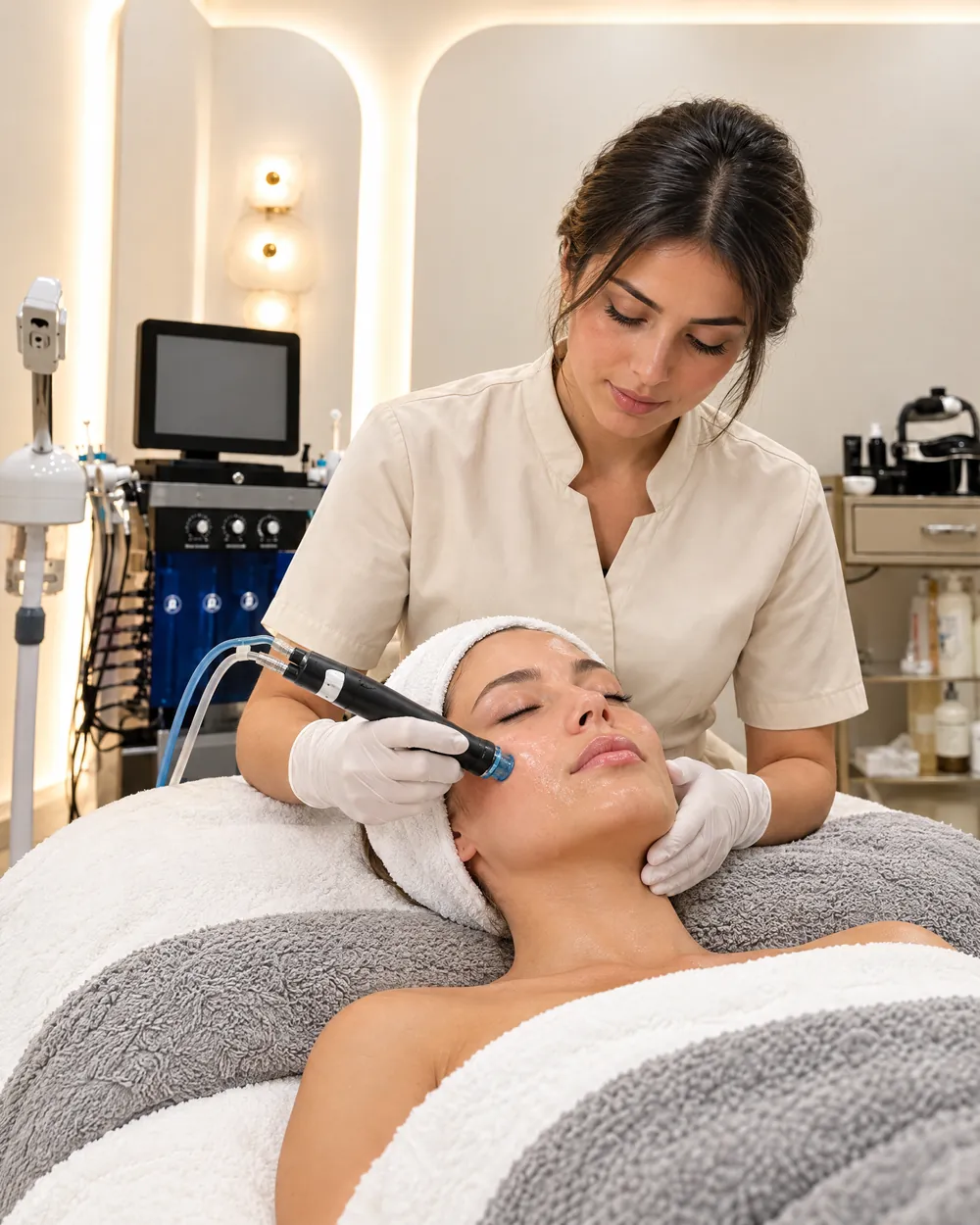
Hydrafacial and Oxygeneo are device-assisted facials. Instead of squeezing out buildup by hand, Hydrafacial removes it from the pores with a vacuum-assisted tip, then delivers moisture and antioxidant serums to the skin; it usually leaves no redness. Oxygeneo combines a gentle gel-capsule peel, an oxygenating effect, and serum infusion in a single tip, and it stands out for skin that looks dull and rough.
Here's a rough way to think about it: the Classic Facial is a basic cleansing and relaxation ritual, the Professional Facial is a protocol built around your analysis, and device-assisted facials focus on a specific goal (clear pores and moisture, or glow and renewal). For many of our clients, these facials are alternated over the course of the year.
What should you keep in mind before and after a facial?
Preparation and aftercare are similar for both facials. A few small rules improve both the comfort and the effect of the session.
- Pause products containing retinol, acids, and peels 3 days before your facial.
- Try to arrive without makeup; the cleansing step gets shorter, and there's more time for the facial itself.
- If you've recently had laser, a peel, or another service on your face, be sure to mention it.
- Stay away from makeup, saunas, and intense exercise for 24 hours after your facial.
- Skin is sensitive after extraction, so don't squeeze any small bumps that appear.
How often should you go, and how does a home routine help?
A common plan is a session every 4–6 weeks for a Classic Facial and usually once a month for a Professional Facial. This interval lines up with the skin's renewal cycle of roughly four weeks. But however careful the facial at our center is, it's your home routine between sessions that carries the effect. For a simple routine, these five steps are enough:
- Morning and evening, wash your face with a gentle cleanser that doesn't dry out your skin.
- Don't skip a moisturizer suited to your skin type, morning or evening.
- Every morning, including in winter, make sunscreen the last step of your routine.
- Add active ingredients one at a time and gradually; don't start more than one new product at once.
- Mark facial days on your calendar; stretching the interval too far weakens the continuity of the effect.
A good facial isn't the most extensive one. It's the one that does as much as your skin needs that day.
What are the common myths about facials?
- “Steam opens pores and cold water closes them.” Pores don't open and close. Steam softens buildup in the pores and makes extraction easier, while cold water only feels refreshing.
- “The more you squeeze, the cleaner your skin gets.” Too much harsh extraction irritates the skin and raises the risk of marks and redness. How much extraction is right depends on the condition of your skin that day.
- “A Professional Facial is stronger, so it's better for everyone.” What sets a Professional Facial apart is personalization, not strength. For some skin, the most appropriate protocol is a very simple soothing facial.
- “If there's no redness afterward, the facial didn't work.” Redness isn't a sign of success. After a well-designed facial, skin usually looks calm, clean, and rested.
When should you see a doctor?
If any of the following applies to you, we suggest seeing a dermatologist before planning a facial.
- You've had inflamed, painful, scarring acne for a long time.
- You have sudden redness, burning, or itching on your face that won't go away.
- You've noticed a mole changing in shape, color, or size.
- You're using a prescription cream or medication on a doctor's recommendation.
- You're pregnant or breastfeeding and aren't sure which products you can use.
At our center in Nişantaşı, every facial starts with a brief consultation. We listen to your skin history, the products you use, and your expectations, then decide on a Classic or Professional protocol together. Vega Beauty is a beauty and care center; if the analysis reveals something that needs a medical assessment, we'll refer you to a doctor instead of starting the facial.
Frequently asked questions
What's the main difference between a Classic Facial and a Professional Facial?
A Classic Facial is a ritual of steam, cleansing, extraction, massage, and a mask, with largely fixed steps. A Professional Facial begins with a skin analysis, and the type of peel, whether extraction is needed, and the choice of ampoule and mask are decided by what your skin needs that day.
I'm new to facials. Which should I choose?
If your skin has no pronounced concerns, a Classic Facial is a good start and lets you see how your skin responds. If you have a clear need, such as oiliness, pores, or a tendency toward pigmentation, a Professional Facial is the more precise choice. If you aren't sure, we'll decide together at the consultation.
I have sensitive skin. Is a Classic Facial right for me?
On sensitive, redness-prone skin, the steam and extraction steps of a Classic Facial can be hard on the skin. In that case, a Professional Facial protocol with reduced steam and an emphasis on soothing steps, or a Moisture Facial, is more suitable.
How often should I get a Classic or Professional Facial?
A common plan is a session every 4–6 weeks for a Classic Facial and once a month for a Professional Facial. Your skin's response, the season, and your home routine can change this interval.
Can I wear makeup after a facial?
We suggest avoiding makeup for the first 24 hours after either facial. Skin is sensitive after extraction, and this time helps it calm down and absorb the products applied.
Does Hydrafacial replace a Classic Facial?
Hydrafacial handles pore cleansing and moisture with device support and usually leaves no redness; it offers a different experience from the massage and relaxation ritual of a Classic Facial. Which suits you depends on what your skin needs, and many of our clients alternate between them.
Published: · Vega Beauty editorial team. This article is general information and does not replace a medical diagnosis or advice; whether a service suits you is assessed at your consultation.