Body & Contouring
Is body contouring the same as weight loss? The scale, the tape measure, and realistic expectations

In short
No, they are not the same. Weight loss is a change in total body weight as shown on the scale. That number includes fat tissue, water, muscle, and stored glycogen, and you manage it through nutrition, movement, and sleep. Body contouring programs don't lead to weight loss. They aim to help tissue in a specific area look firmer and smoother, ease the feeling of puffiness, and support muscle tone. That's why it makes more sense to track progress with a tape measure, how your clothes feel, and personal photos taken under the same conditions, not with the scale.
At consultations for body programs, the question we hear most often is “How much weight will I lose?” Our honest answer is that these programs aren't a weight-loss method. We wrote this post as a guide to expectations, to read before you start a body program. It covers what can change, what won't, and how to track your progress.
Are weight loss and body contouring the same thing?
No. Weight loss is a change that involves the whole body, while body contouring is the industry's name for care programs focused on how a specific area looks. The number on the scale is your total body weight: fat tissue, body water, muscle, and the glycogen stored in muscles and the liver are all part of it. Each of these changes at a different rate, so a change on the scale doesn't tell you on its own what happened to fat tissue.
Body contouring programs, on the other hand, aim at the look and feel of tissue in one area, not your total weight. The table below sums up the difference.
| Topic | Weight loss | Body contouring program |
|---|---|---|
| Goal | Lower total body weight | A firmer, smoother look and a lighter feeling in one area |
| Main tools | Nutrition, movement, and sleep; a dietitian or doctor when needed | EMS Body Contouring, G5 Massage, Cellulite Protocols, Lymphatic Drainage Massage, Micro Plus |
| How do you track it? | The trend on the scale over several weeks | Tape measure, how your clothes feel, personal photos |
| Time frame | A process spread over months that varies from person to person | A program done in a series, felt as sessions add up |
| Who is it for? | People with a clear weight-loss goal | People whose weight is fairly stable but who notice laxity, the look of cellulite, or a feeling of puffiness in one area |
Can you burn fat from a specific area?
Not with exercise. Working an area doesn't make the body draw fat from that area. When energy needs rise, the body uses its fat stores in a general pattern, set largely by genetics, age, sex, and hormones. Working only your abdominal muscles strengthens those muscles, but it doesn't selectively reduce the fat tissue over them.
The body programs at our center are not fat-burning methods either. That doesn't make working on one area pointless: stronger muscles can change how firm an area feels, supporting circulation can change the feeling of puffiness, and care aimed at the skin's surface can change a dimpled look. What's misleading is describing these effects as “burning fat.”
What do the body programs at our center aim for?
Each body program at our center addresses a different need, and none of them is a weight-loss method. We explain how the services work in detail in the service guides on our blog. Here we only summarize what they aim for:
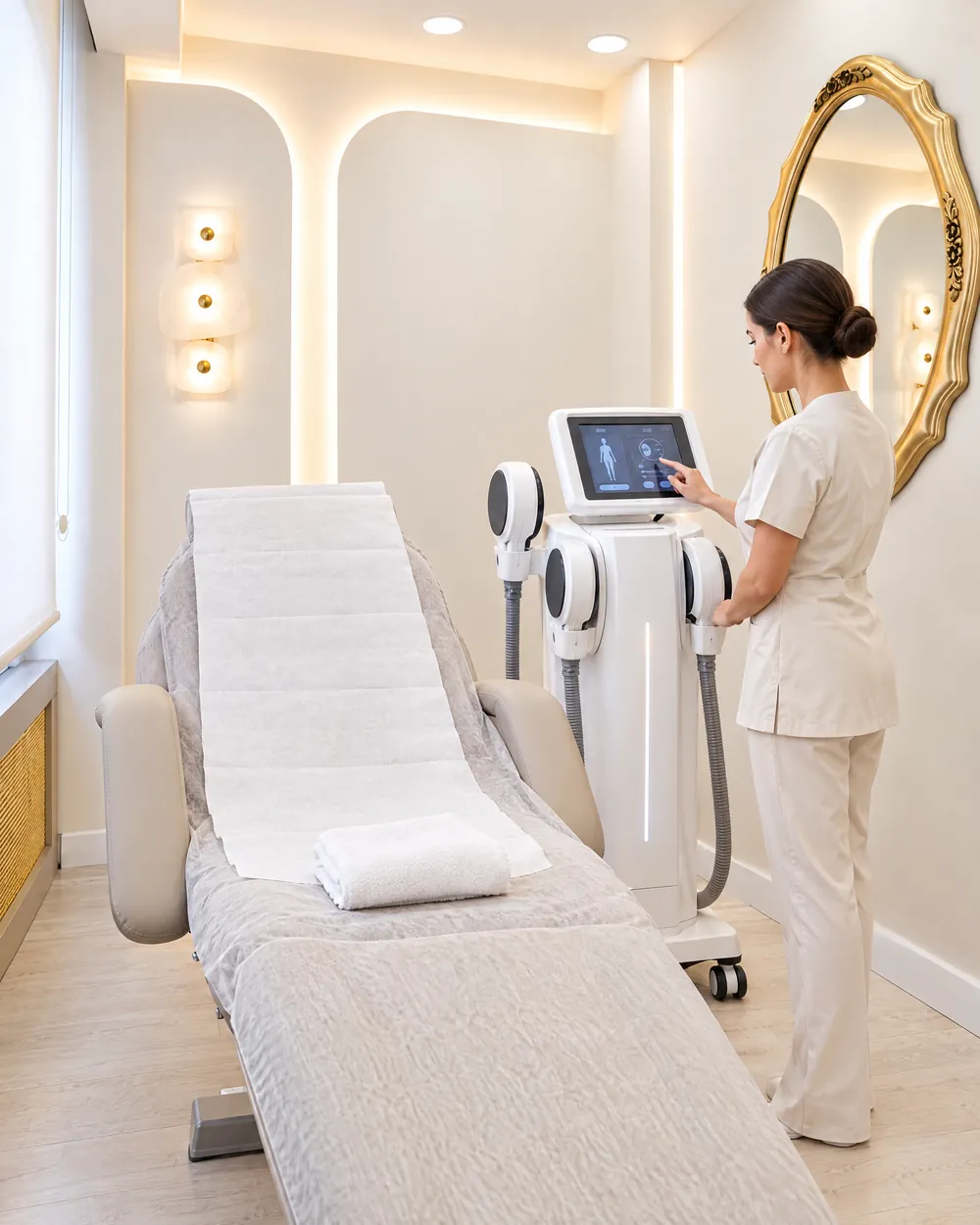
- EMS Body Contouring: supports muscle work. The goal is muscle tone and a firmer feel in the area.
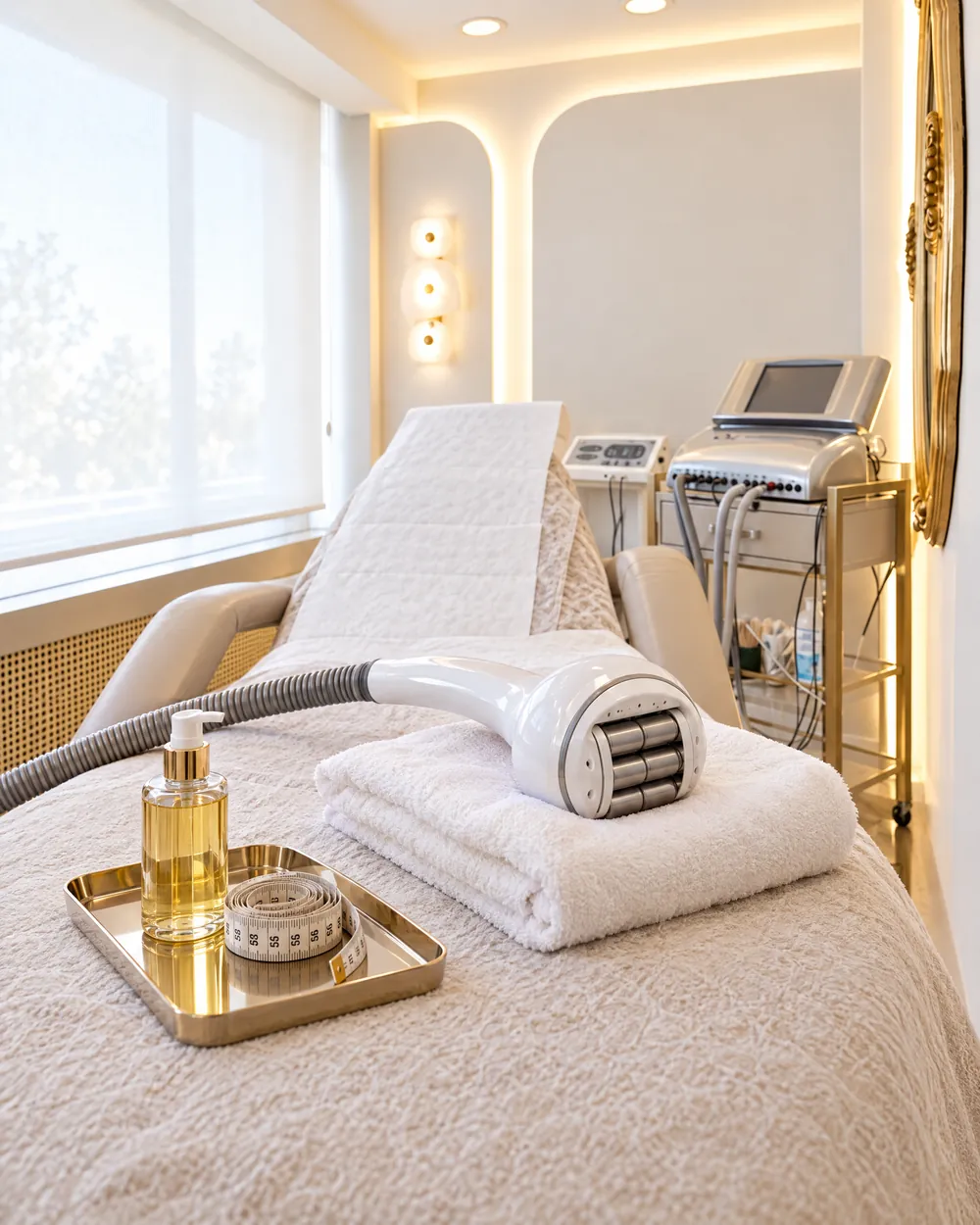
- G5 Massage and Cellulite Protocols: aim at the dimpled look of the skin's surface and the firmness of the tissue.
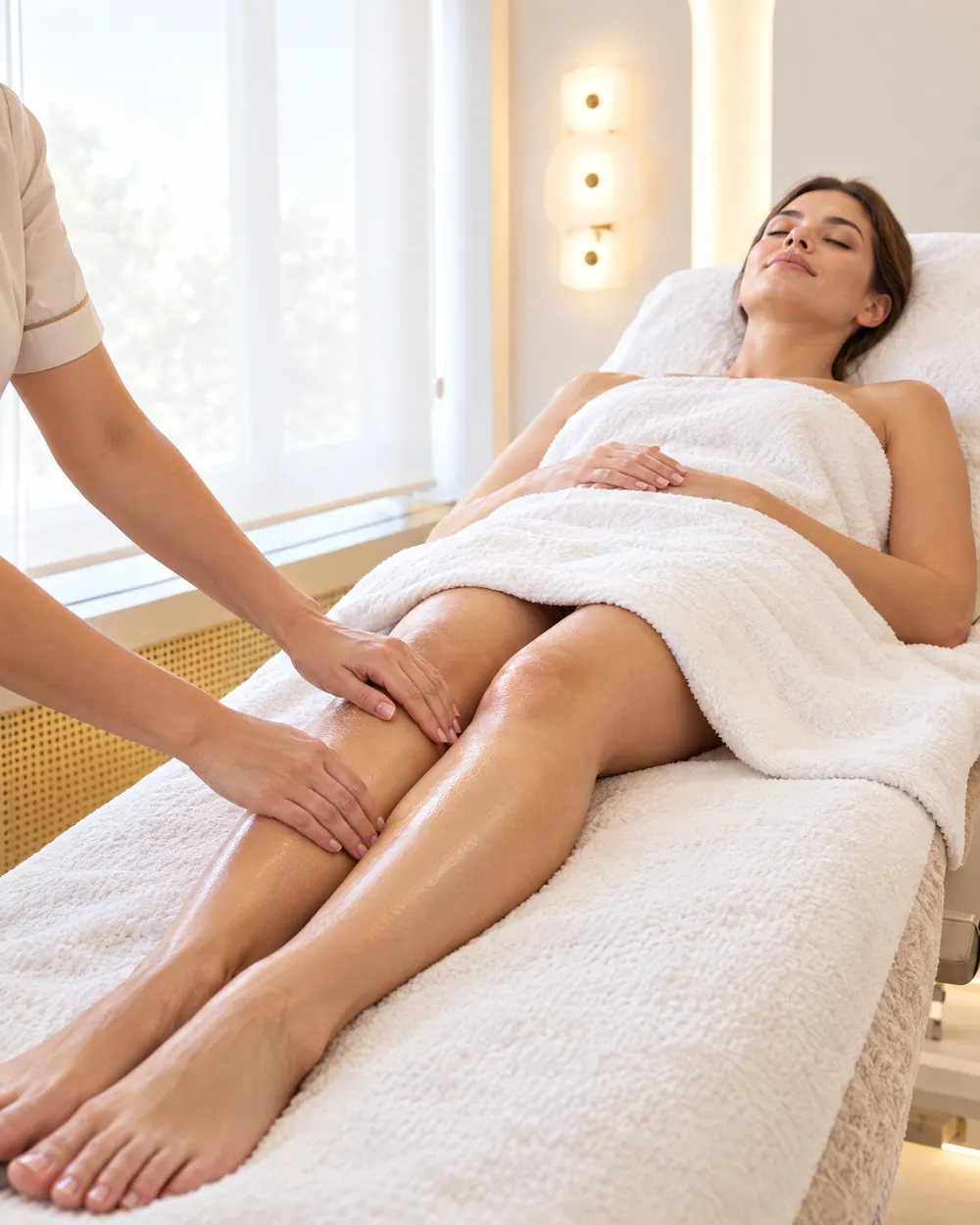
- Lymphatic Drainage Massage: uses gentle, rhythmic movements to help ease feelings of puffiness and heaviness.
- Micro Plus: aims to support a feeling of firmness in the tissue.
Why can the scale misrepresent your progress?
In the short term, the scale mostly shows shifts in body water, not changes in fat tissue. That means it can hide real progress or suggest progress that isn't there.
- Water: The amount of water your body holds changes from day to day and shows up on the scale right away.
- Menstrual cycle: Water retention can rise on certain days of your cycle, and this increase is usually temporary.
- Salt: A salty dinner can show up the next morning as a higher number and a distinct feeling of puffiness.
- Glycogen: When you cut carbohydrates, much of the quick drop in the first few days is stored glycogen and the water bound to it.
- Muscle: As you work your muscles more, tissue firmness can change while the number on the scale stays the same.
How do you measure correctly with a tape measure?
Tape measurements are meaningful only when you take them at the same time, at the same points, and under the same conditions each time. Otherwise, the difference between two measurements may come from the measuring, not the program.
- Measure once a week, on the same day and at the same time. Morning, after using the bathroom and before breakfast, is the most consistent time.
- Fix your measuring points. Choose an easy reference, such as the level of your navel, the widest part of your hips, or always the same distance from your kneecap on the thigh.
- Stand with your weight evenly on both feet, don't suck in your stomach, and measure at the end of a normal exhale.
- Keep the tape parallel to the floor and touching your skin, but don't pull it tight enough to compress the tissue.
- Measure each area twice. If the results differ, write down the average.
How can you track progress beyond the scale and tape measure?
Beyond the scale and tape measure, the clearest sign of progress is how your clothes fit. How a pair of pants you wear often feels at the waist or thigh, how heavy your legs feel at the end of the day, and how firm the tissue feels under your hand all reflect changes the scale can't show.
Personal photos are useful too, but they only mean something when they're for your own tracking and taken in the same light, from the same angle, and in the same clothes each time. A change in lighting alone can change how the tissue looks.
Who are body contouring programs suited to?
Body contouring programs make sense for people whose weight is fairly stable but who notice laxity, the look of cellulite, or a feeling of puffiness in a particular area. For them, the goal isn't to change the number on the scale but to support the look and feel of the tissue in that area.
- People whose weight is stable but who notice laxity around the abdomen, hips, or thighs.
- People who want to soften the look of cellulite.
- People who feel heaviness and puffiness in their legs at the end of the day.
- People with settled nutrition and exercise routines who want to round them out with support for a specific area.
If you have a clear weight-loss goal, a body contouring program isn't the first step. We recommend first reviewing your nutrition and health with a dietitian or doctor. We can talk about needs in a specific area, such as laxity or the look of cellulite, during or after that process.
How do a program and your lifestyle work together?
A program gives the tissue a regular stimulus, and what you do on the days between sessions shapes how the tissue responds. Sessions take up only a small part of the week, so daily habits affect the outcome at least as much as the sessions do.
- Include a source of protein at every meal.
- Spread your water intake through the day, and limit salty and processed foods.
- Don't stay still for long periods. Short walks can ease the feeling of heaviness in your legs.
- Keep a regular sleep schedule, since sleep affects muscle recovery and fluid balance.
These programs work as a series. A single session is a brief stimulus, and the effect is felt as sessions add up at regular intervals. Frequently skipped sessions and long gaps weaken this buildup.
The number on the scale tells the story of a day; the change in your tissue tells the story of weeks.
What does a realistic timeline look like?
Most people notice a change in how they feel during the first weeks, before any change in how they look. Changes in appearance become clearer after several weeks of a regular program.
What you may feel in the first weeks
People often describe feeling lighter after sessions, with less heaviness in the legs, along with firmness or mild tiredness in the muscles. It's normal not to see a clear difference on the scale or tape measure at this stage, and it doesn't mean the program isn't working.
What you may see after several weeks
With regular sessions and lifestyle support, most people begin to notice a difference in how their clothes feel, firmer tissue, and a softer look of cellulite. How much changes varies from person to person, depending on the starting condition of the tissue, age, hormonal stage, and habits.
What are the common myths about body contouring?
The most common myth is that working an area or making it sweat will reduce the fat there. Here are the other misconceptions we run into often:
- “Sweating means slimming down.” The weight you lose by sweating is water, and it comes back as you drink. Sauna belts and plastic wrap don't change the tissue itself.
- “Sit-ups melt belly fat.” Sit-ups strengthen the abdominal muscles, but they don't selectively reduce the fat tissue over them. Change in the abdominal area depends on your overall nutrition and exercise habits.
- “One session is enough.” You may feel lighter after one session, but changes in appearance build up through a program done in a series.
- “Nothing changes unless you lose weight.” Tissue firmness, the feeling of puffiness, and the look of cellulite can all change while your weight stays the same. The scale doesn't show these changes.
When should you see a doctor?
Unexplained weight change, swelling on one side or swelling that doesn't go away, painful swelling, and symptoms that may be hormonal call for a doctor's evaluation, not a care program. If you notice any of the following, we recommend talking to your doctor before starting or continuing a program.
- Weight gain or loss you notice over a short time with no change in your diet or activity.
- Swelling that appears in only one leg or doesn't go away with rest.
- Swelling that comes with pain, redness, or warmth.
- Symptoms that may be hormonal, such as a clear change in your menstrual pattern, an unexpected increase in body hair, or constant fatigue.
- Pregnancy and breastfeeding: Get your doctor's opinion before any body program during these periods.
At our center in Nişantaşı, every body program begins with a consultation. We assess the target area, the condition of the tissue, and your expectations together, and decide at that meeting whether a program makes sense for you. Vega Beauty is a beauty and care center. If we notice something during the consultation that may need medical evaluation, we refer you to a doctor instead of starting the program.
Frequently asked questions
Will a body contouring program help me lose weight?
These programs aren't a weight-loss method, so don't expect the number on the scale to change noticeably. The goal is for tissue in a specific area to look firmer, for the feeling of puffiness to ease, and for the look of cellulite to soften. If you have a weight goal, we recommend planning for it separately with a dietitian or doctor.
Do I need to lose weight before starting a program?
As your weight changes, the tissue in an area changes too, so if you have a clear weight goal, starting that process first brings the program's focus into sharper view. If your weight is fairly stable, there's no need to wait. We make this distinction together at the consultation.
If the scale isn't moving, does that mean the program isn't working?
No. The firmness, feeling of puffiness, and look of cellulite that body programs aim at often don't show up on the scale. Reading your tape measurements, how your clothes feel, and personal photos taken under the same conditions together gives a more realistic picture.
How do you decide which program suits me?
It depends on what the area needs. If muscle tone is the main concern, EMS Body Contouring may be an option; if it's the dimpled look, G5 Massage or Cellulite Protocols; if it's heaviness and puffiness, Lymphatic Drainage Massage. Sometimes more than one service is part of the same plan. We assess the tissue at the consultation and decide together what makes sense.
How long does the effect last after the program ends?
How long the effect lasts depends largely on your daily habits. If you keep up your nutrition, movement, and sleep routines, the firmness you feel lasts longer. If those routines slip, the look also changes over time.
Published: · Vega Beauty editorial team. This article is general information and does not replace a medical diagnosis or advice; whether a service suits you is assessed at your consultation.