Skin Care
Blackheads and visible pores: why they form and how to care for them
In short
A blackhead forms when sebum and dead cells collect inside a pore and darken on contact with air. It isn't dirt. To reduce the look of blackheads, skip the squeezing and stick with regular, gentle cleansing, light moisturizing, suitable purifying products, and sun protection. Professional cleansing services like Hydrafacial support your home routine and can help pores look cleaner and less visible.
The tiny dark dots on the nose and chin and the prominent pores you notice up close in the mirror are among the most common skincare questions. Many people blame dirt and try to fix them by squeezing or with harsh products, but that approach usually makes them more noticeable. In this article we explain why blackheads form, the myths about pores, the right home routine, and the role of professional cleansing.
What are blackheads, and why do they form?
A blackhead is what you see when a mix of sebum and dead cells collects at the opening of a pore, stays open to the air, and darkens through oxidation. The color comes from that oxidation, not from dirt, which is why simply washing more won't make blackheads go away.
- Excess sebum: Pores fill more easily in oily and combination skin.
- Dead cell buildup: When the skin's surface doesn't renew regularly, the pore opening can clog.
- Hormonal shifts: Puberty, your period, and stress can increase oil production.
- Heavy or pore-clogging products: Rich creams and makeup can contribute to buildup in some skin.
- Incomplete evening cleansing: Makeup, sunscreen, and city grime left on the skin can increase buildup.
Why do pores look large?
Pores usually look larger when they are full of sebum and dead cells, when skin loses elasticity, and when sun damage accumulates. Pore size is largely genetic, but how pores look can change noticeably with your care habits.
As you age, the skin's support structure weakens and pore edges can look looser. Long-term unprotected sun exposure can speed this up. That is why pore care is more than cleansing: moisture, renewal, and sun protection are part of the picture too.
| Appearance | How to recognize it | Suggested approach |
|---|---|---|
| Blackhead | Open, dark dot at the pore opening | Gentle purifying, regular cleansing, professional care |
| Whitehead | Closed, small white bump under the skin | Regular care without squeezing; a specialist's opinion if they increase |
| Sebaceous filament | Gray-yellowish, evenly spaced dots on the nose | A normal structure; looks less visible with regular cleansing |
| Inflamed pimple | Red, swollen, tender to the touch | Leave it alone and talk to a dermatologist |
Many of the gray or yellowish dots on the nose aren't blackheads at all but sebaceous filaments, a natural structure found in all skin. Trying to get rid of them completely irritates the skin. The goal is to make them less visible.
Why is squeezing blackheads harmful?
Squeezing blackheads with your fingers or metal tools puts pressure on the pore wall, irritates the skin, and can lead to marks, redness, or visible inflammation. Often the contents don't fully come out, some get pushed deeper, and the problem soon returns.
- Bacteria from nails and fingers can transfer to the skin, and inflammation can follow.
- Pore edges can stretch over time and look more visible.
- A brown or reddish mark can remain where you squeezed.
- Broken capillaries and a feeling of lasting redness can develop.
- Small wounds and scabs can form on the skin's surface.
Coaxing a pore with regular care instead of forcing it protects both your skin and what you see in the mirror.
What does a good pore care routine at home look like?
A good home routine for pores consists of gentle but thorough cleansing, regular and measured purifying, light moisturizing, and daily sun protection. Consistency, not harshness, is what changes the way pores look.
- Double cleanse in the evening: first a cleanser that dissolves makeup and sunscreen, then a light gel suited to your skin type.
- Wash your face in the morning with a gentle cleanser. If your skin isn't oily, lukewarm water alone may be enough.
- Once or twice a week, use a gentle purifying product that suits your skin and that your specialist recommends.
- Even if your skin is oily, don't skip a light, non-pore-clogging moisturizer.
- Every morning, use a broad-spectrum, lightweight sunscreen.
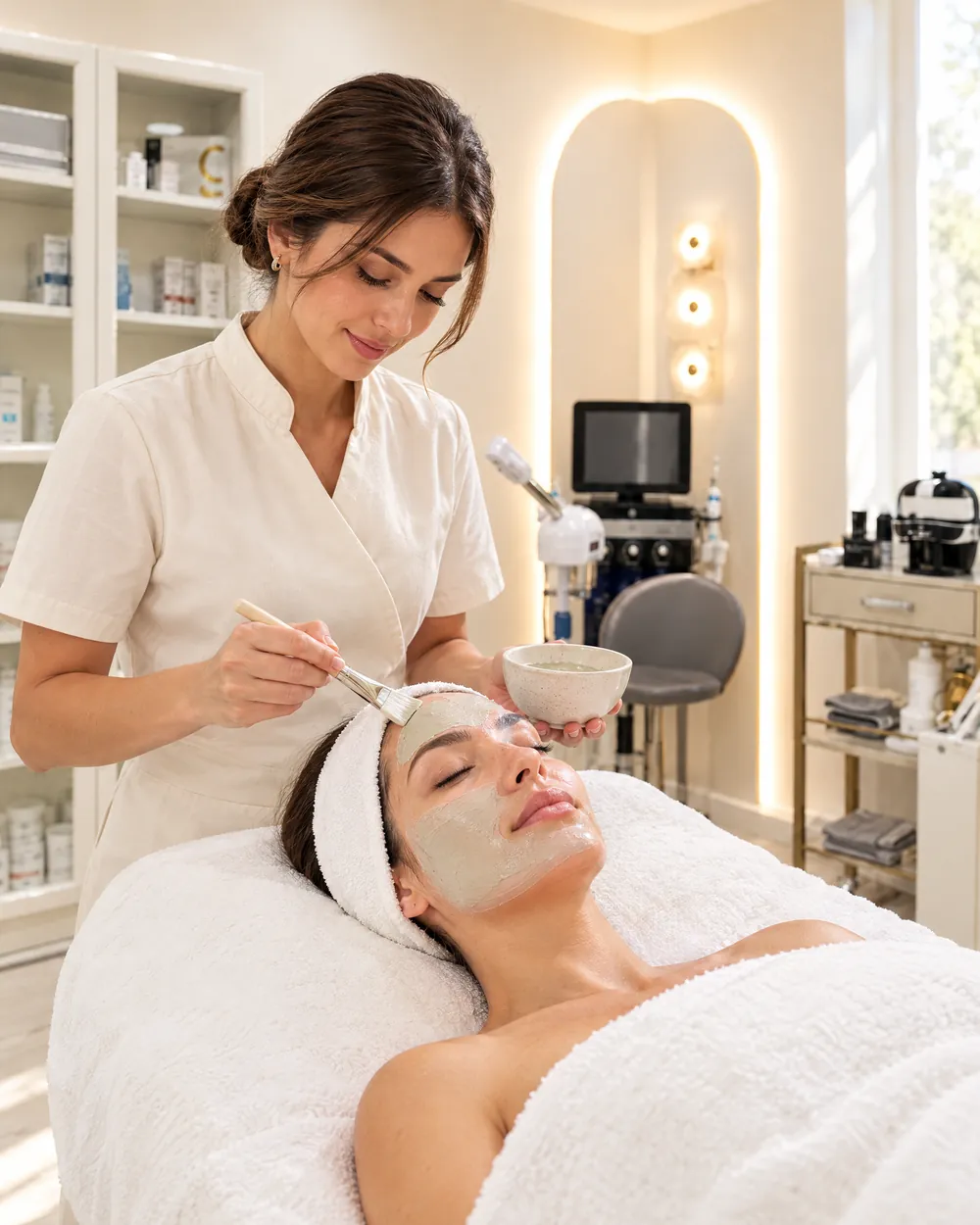
- Once a week you can apply a clay mask to the T-zone. Putting it on your whole face can stress dry areas.
- Wash your pillowcase and makeup brushes regularly.
What are the common myths about pores?
The most common myth about pores is that they open and close. Pores have no muscle structure, so hot water doesn't open them and cold water doesn't close them. Heat only softens the sebum inside, and cold gives a temporary feeling of tightening.
- “Pores can close completely.” Pores are a natural part of your skin. The goal isn't to close them but to make them look cleaner and less visible.
- “Blackheads come from dirt.” The dark color is oxidation caused by sebum coming into contact with air.
- “Oily skin shouldn't be moisturized.” Skin short on moisture may start producing more oil to maintain balance.
- “The more peels, the cleaner the pores.” Overdoing it weakens the barrier and can lead to irritation.
- “Steaming opens pores.” Steam can soften sebum, but it can increase redness in sensitive skin.
Do makeup and sunscreen clog pores?
Makeup and sunscreen don't clog pores by themselves. What really matters is the product's texture, how well it suits your skin type, and whether you remove it properly in the evening. Giving up sunscreen can actually backfire for pore appearance, because sun damage weakens the skin's support structure and contributes to more visible pores.
- For oily and combination skin, choose light, fluid, or matte-finish sunscreens.
- In foundations and concealers, try lighter formulas over heavy, thick textures.
- On every day you wear makeup, don't skip the evening double cleanse. Sleeping in makeup can increase buildup.
- Wash makeup sponges and brushes once a week, since the oil and grime on them can transfer back to your skin.
- If blackheads or small bumps increase after switching to a new product, stop using it for a few weeks and watch your skin.
Touching your face often during the day, resting your phone against your cheek, and wiping with your hands instead of blotting paper can also carry oil and grime to your pores. Noticing these small habits can visibly support the effect of your home routine.
How do professional cleansing and Hydrafacial help?
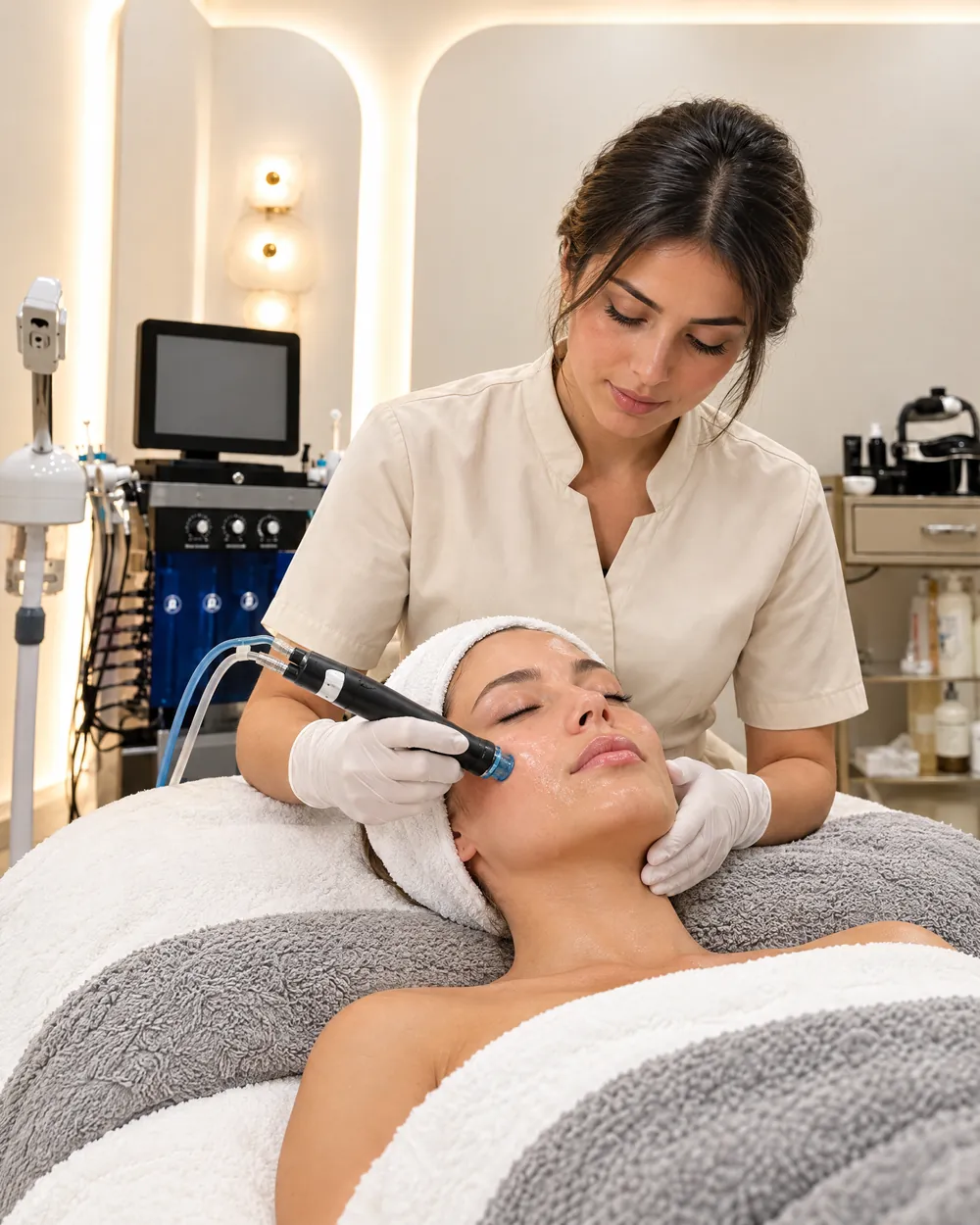
Professional cleansing aims to clear buildup inside pores that is hard to reach at home, without forcing the skin and under hygienic conditions. Hydrafacial is a leading device-assisted facial in this area.
Hydrafacial cleans the skin's surface and the pore openings with a vacuum-assisted spiral tip, then applies serums with moisturizing and nourishing ingredients. Because no squeezing is involved, the skin is under less strain, and most people can go back to their day after the session. With regular sessions, the aim is to help pores look cleaner and skin look more vibrant. If you prefer a more traditional approach, the Classic Facial, which includes steam, gentle purifying, and mask steps, is another option.
| Feature | Home care | Hydrafacial | Classic Facial |
|---|---|---|---|
| Main goal | Daily cleansing and maintaining balance | Vacuum cleansing and serum moisture support | Care with steam, purifying, and a mask |
| Frequency | Every day | Every 3 to 6 weeks for most people | Once a month for most people |
| Is there squeezing? | There shouldn't be | No, vacuum cleansing | Based on the specialist's assessment, with gentle methods |
| Who is it for? | Everyone | People concerned with pores and dullness | People who prefer a traditional approach |
How is pore care planned at Vega Beauty?
At Vega Beauty, pore care begins with an initial consultation and skin analysis at our center in Nişantaşı. Our specialist assesses the density of your blackheads, how your pores look, your skin type, and your sensitivity, then recommends the option that suits you, such as Hydrafacial, the Classic Facial, or the Professional Facial.
All services take place in private, single-client rooms, and after your facial we share personalized recommendations for your home routine. If severe, inflamed, or painful acne is noticed during the analysis, we recommend seeing a dermatologist before planning any care, because this can fall outside the scope of beauty care.
Frequently asked questions
Do blackheads go away completely?
Regular care can noticeably reduce blackheads, but they tend to come back as long as your skin keeps producing oil. So the goal isn't a one-time cleanse but keeping their look under control with a regular home routine and periodic professional care. Results vary from person to person depending on skin type and habits.
Can pores get smaller?
The actual size of your pores is largely genetic, but they can look smaller and less visible when they are clean and your skin looks moist and firm. Regular cleansing, gentle purifying, sun protection, and professional care help reduce how visible pores look.
How often should I get Hydrafacial for blackheads?
Frequency depends on your skin type and how dense your blackheads are. For most people, sessions are planned three to six weeks apart. A more regular schedule may be recommended for oily and combination skin. The interval that suits you is determined at your consultation and skin analysis at Vega Beauty.
Are the dots on my nose blackheads or sebaceous filaments?
Evenly spaced, gray-yellowish dots on the nose that come out like a thin thread when squeezed are usually sebaceous filaments, a natural structure found in all skin. Blackheads are darker, more prominent, and more scattered. A professional skin analysis can help you tell which is which.
Does steaming my face at home clean my pores?
Steam can soften the sebum in pores somewhat, but it doesn't open pores and can't clean them on its own. On sensitive or redness-prone skin, steam can increase irritation. Squeezing afterward can harm your skin. Gentle cleansing and regular purifying are a more balanced approach.
When do blackheads call for a dermatologist?
If blackheads come with frequent, red, swollen, and painful pimples, or if pimples leave marks, we recommend seeing a dermatologist. This may be linked to a condition such as acne that calls for a medical evaluation. At Vega Beauty, we refer you to a doctor before any care in these situations.
Are clay masks useful for blackheads?
Clay masks absorb excess oil and can help the T-zone look more matte and clean. For oily and combination skin, once a week on the oily areas only is usually enough. Not letting the mask dry until it cracks and applying a light moisturizer afterward helps prevent tightness and irritation.
Published: · Vega Beauty editorial team. This article is general information and does not replace a medical diagnosis or advice; whether a service suits you is assessed at your consultation. Cover photo: Authentic Stock / StockSnap (CC0).