Skin Care
Adult acne: why it happens and where a professional facial fits in
In short
Adult acne usually doesn't come down to a single cause. Hormonal shifts, stress, sleep patterns, the wrong products, and overcleansing can all play a part. A professional facial at a beauty center supports cleansing and balancing the skin, but it isn't a medical intervention. For acne that is persistent, painful, or leaves marks, the right place to go is a dermatologist.
We tend to assume breakouts will end with our teens. Then, in our thirties or even our forties, bumps reappear on the chin, cheeks, and jawline. It is surprising and tiring, because adult skin also has other needs, such as dryness, sensitivity, and fine lines. In this article we cover the possible causes of adult acne, why picking sets your skin back, where a professional facial helps and where it stops, a simple home routine, and the signs that mean it is time to see a doctor.
Why does adult acne happen?
Adult acne usually comes from several factors that feed into one another, not one single cause. A buildup of oil and dead cells in the pores is the common ground, and hormones, stress, sleep, the products you use, and daily habits can all set it off. Because the cause isn't the same for everyone, expecting one product or one service to fix it often ends in disappointment.
What we describe here is a general overview. Identifying the underlying cause of acne is a doctor's job, not a beauty center's.
How do hormones and stress affect acne?
Hormonal shifts can change how active your oil glands are, and this is one of the most frequently cited triggers of acne in adults. Many people notice bumps clustering around the chin and jawline close to their period. Pregnancy, the postpartum months, breastfeeding, and the years leading up to menopause can also affect skin balance.
Stress and short sleep play an indirect role too. During busy periods, people tend to touch their skin more, pick more, and switch products more often, and when sleep gets irregular, the skin's recovery rhythm is disrupted. Many people observe these links, but the size of the effect varies from person to person. If you suspect a link to your cycle or hormones, it is worth talking to a doctor.
How can products and cleansing habits trigger acne?
Unlike hormones or stress, the products you layer on and the way you cleanse are factors you can change at home. Very oily ingredients, heavy makeup, and creams that tend to clog pores can increase congestion in some skin. At the same time, frequent, harsh cleansing meant to “dry out” acne backfires: skin with a worn-down barrier can produce more oil to protect itself and become more sensitive.
- Washing your face many times a day: This strips more natural oil than necessary and can leave skin feeling tight, then oily.
- Using many active products at once: Layering acids, retinol, and drying products wears out the barrier.
- Pillowcase, phone, and makeup brush hygiene: Surfaces in constant contact with your skin carry buildup unless they are cleaned regularly.
- Sleeping in makeup: Makeup and sunscreen left on at the end of the day build up in pores.
- Hair products: Oily hair care products that touch the forehead and temples can contribute to congestion in those areas.
Why does picking acne harm your skin?
Squeezing a pimple can push it deeper, irritate the surrounding skin, and raise the chance of leaving a mark. What sits deeper than a finger or nail can reach doesn't come out when squeezed. Instead the inflammation spreads, the redness lasts longer, and once the scab is gone, a dark spot or a pitted mark can remain. You also carry germs from your hands to the area.
The urge to pick usually gets stronger in stressful moments and when we spend too long in front of the mirror. A small bump gets bigger the more you look at it. Setting yourself a rule helps: don't touch the pimple, and use the mirror during your morning and evening routines, not several times a day. Over the long run, what wears skin down most is less the pimple itself than the marks picking leaves behind.
Squeezing a pimple doesn't speed it up; it drags it out, and we often carry the mark longer than the pimple.
What can a professional facial support in acne-prone skin?
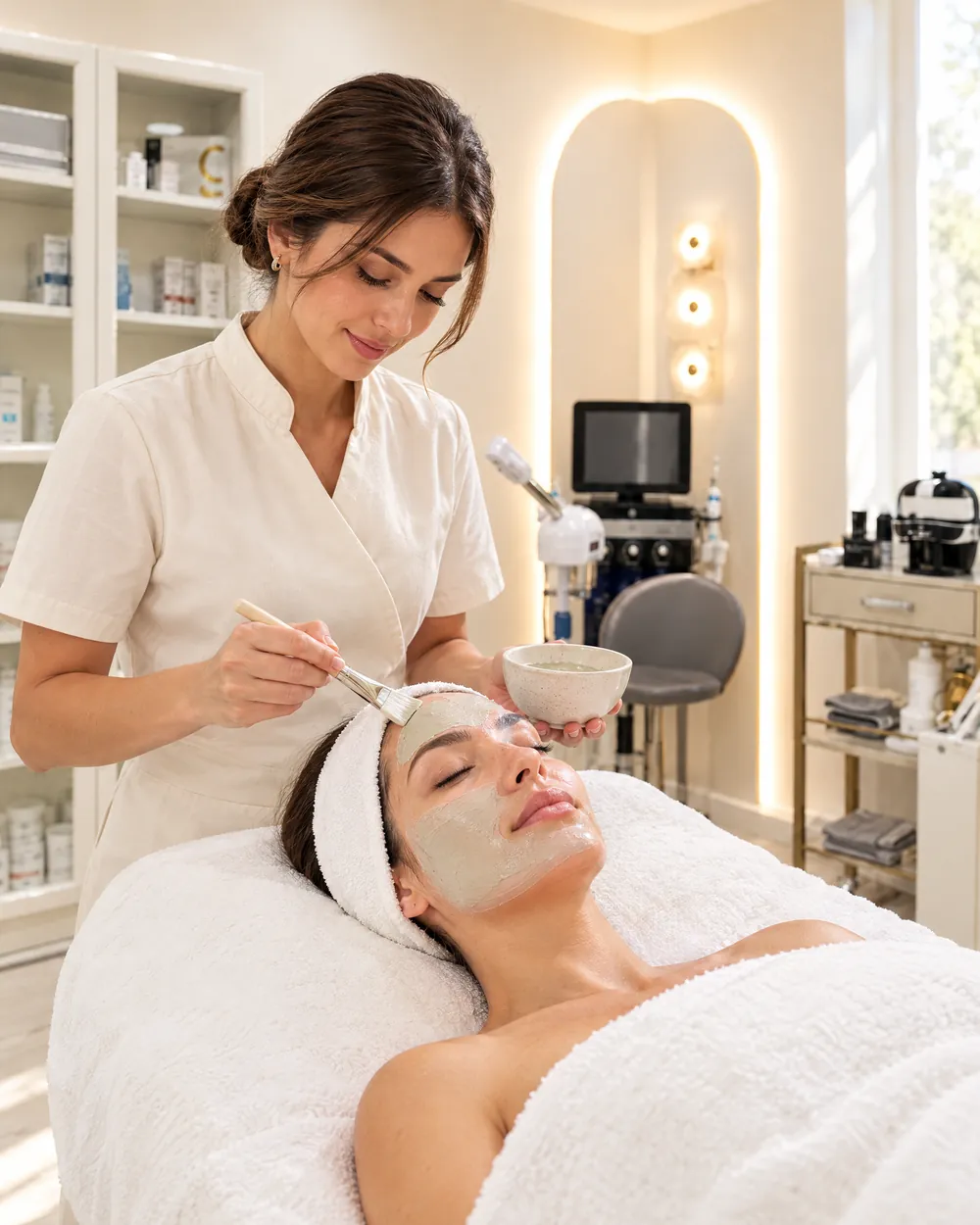
In skin with visible breakouts, a professional facial supports cleansing, pore purifying, and soothing, but it makes no claim to resolve a health problem. The session starts with a skin analysis that assesses oil and moisture balance, pore structure, and sensitivity, and the protocol is chosen accordingly. For oily, congestion-prone skin, the purifying step comes to the fore, while irritated skin calls for soothing ingredients that support the barrier.
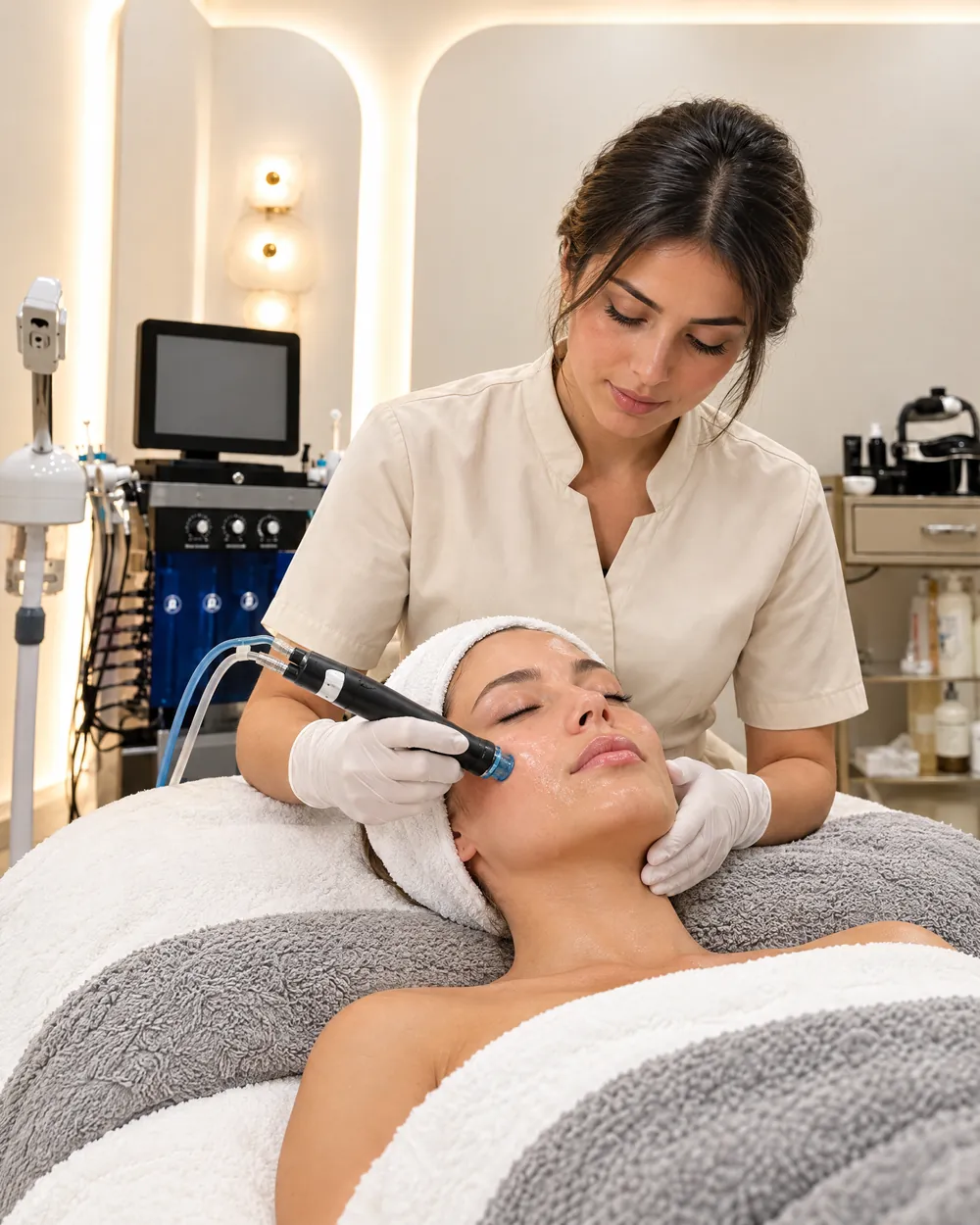
As described on our service page, the Professional Facial takes about 60 to 75 minutes and is generally recommended once a month, while Hydrafacial is scheduled every 3 to 6 weeks as needed. These intervals can vary with your skin's renewal cycle and your needs. The most valuable part of a facial is that it cleans the skin through controlled steps, not by squeezing, and that we build your home routine together.
What are the limits of a professional facial?
The limit of a professional facial is that it is a beauty and care service. At Vega Beauty, we don't perform medical evaluations, diagnose acne, or carry out procedures that require a doctor's decision. The table below summarizes where a facial can help and where we enter a doctor's territory.
| Situation | Role of the facial | Who to see |
|---|---|---|
| Occasional small bumps, clogged pores | Support through analysis, cleansing, and purifying | Beauty center and a simple home routine |
| Tired barrier, red and tight skin | Gentle care focused on soothing and moisture | Beauty center; a doctor if it continues |
| Acne that has lasted a while, spreads, or keeps returning | Supportive role; the decision on a session is made at the consultation | Dermatologist first |
| Painful, deep, or hard bumps, or bumps that leave marks | No facial is performed | Dermatologist |
How do you build a simple home routine for acne-prone skin?
The home routine that works most reliably is short, gentle, and consistent. The goal isn't to fight your skin by drying it out but to balance it while protecting the barrier. The sequence below offers a starting framework for most skin:
- Morning and evening, wash your face with a gentle cleanser that doesn't leave skin tight. Skip extra washes during the day unless you need them.
- After cleansing, pat your skin dry with a towel instead of rubbing.
- Use a light moisturizer suited to your skin type and labeled as non-pore-clogging. Oily skin needs moisture too.
- Apply sunscreen every morning, since sun can darken leftover marks.
- In the evening, always remove your makeup and sunscreen, then moisturize.
- Try new products one at a time, several days apart. Don't start more than one new product at once.
How often should you book facials?
How often you book depends on your skin's renewal rhythm and needs. The general framework is once a month for the Professional Facial, every 3 to 6 weeks for Hydrafacial, and every 4 to 6 weeks for the Classic Facial. Booking more often because of visible breakouts won't calm your skin and may tire it instead. Skin recovers between sessions, and your home routine does its work during that time.
There are a few things to keep in mind just before and after a facial. We recommend pausing retinol, acids, and peeling products a few days beforehand, then staying away from makeup, saunas, and intense exercise for 24 hours afterward. Small bumps may appear for a few days after a facial. If they last longer, please contact us.
What are the common myths about acne?
- “Acne comes from being dirty.” Acne is linked more to pore structure, oil production, and hormones than to a lack of cleanliness, and overcleansing can make skin even more sensitive.
- “Oily skin doesn't need moisturizer.” Skin short on moisture can produce more oil to keep its balance, so oily skin needs a light moisturizer too.
- “Toothpaste or lemon dries out pimples.” Home remedies like these can burn and irritate skin and raise the risk of marks, so they are not recommended for use on your skin.
- “The sun dries out acne.” The sun may give a temporary feeling of dryness, but it then darkens marks and wears skin out.
- “Adult acne goes away in a few weeks.” Some bumps do go away, but ongoing or recurring acne needs a doctor's evaluation.
- “The more products, the more benefit.” In acne-prone skin, more products mean a greater chance of irritation, and a simple routine usually gives better results.
When should you talk to a doctor?
If you have any of the signs below, we recommend seeing a dermatologist before booking a facial. These situations belong to a doctor, not a beauty center.
- Painful, hard, deep, or pus-filled bumps: We don't perform a facial in these cases.
- Acne that hasn't gone away after several weeks, is spreading, or keeps coming back.
- Acne that leaves marks, pits, or dark spots that seem to be lasting.
- Acne that comes with irregular periods, a sudden increase in body hair, or hair loss.
- Sudden redness, facial swelling, or skin changes that come with a fever.
- Acne that appears or worsens during pregnancy or breastfeeding.
- If you are following a program recommended by a doctor, check with your doctor before a facial.
- A skin lesion that changes in shape, color, or size: This may not be acne at all but a sign to show a doctor without delay.
At our center in Nişantaşı, every facial starts with a consultation and skin analysis. We review your products, your habits, and your skin's current state together, then set up the session interval and home routine that suit you. Vega Beauty is a beauty and care center. If we see a sign during the consultation that calls for a medical evaluation, we will refer you to a dermatologist instead of starting the facial.
Frequently asked questions
Is adult acne the same as teenage acne?
They can look similar, but the triggers may differ. In adults, acne often appears around the chin and jawline and goes along with hormonal phases, stress, and product habits. Adult skin can also be drier and more sensitive, so harsh products irritate it sooner. If the cause isn't clear, a dermatologist's evaluation is needed.
Will a facial clear up my acne?
A facial doesn't promise to clear acne. Through cleansing, purifying, and soothing steps, it supports a more balanced, cleaner look. Because acne can be a medical condition, persistent or painful breakouts call for seeing a doctor first. A facial doesn't replace a program your doctor recommends, but it can play a supporting role alongside it.
Can I get a professional facial when I have breakouts?
With mild bumps that haven't settled in, usually yes, and the type of facial is chosen based on your skin that day. With inflamed, painful, open, or rapidly spreading acne, we don't perform a facial and will refer you to a doctor. The decision is made by looking at your skin during the analysis.
Is it normal to break out after a facial?
Small bumps may appear for a few days after purifying, and they usually pass quickly. If they last longer or the redness increases, contact us. During this time, not picking and following the recommended post-facial routine support recovery.
Can I have Hydrafacial if I have acne?
Hydrafacial is a cleansing and moisture service that can be scheduled every 3 to 6 weeks. If you have inflamed, painful, or widespread acne, we don't perform it and will refer you to a doctor. Whether it suits mild congestion and visible pores is decided with a skin analysis at your consultation.
What can be done about acne marks?
Acne marks and pits are matters for a doctor to evaluate. Care at a beauty center supports your skin's overall look, moisture, and glow, but it doesn't promise to remove established marks. To avoid new marks, two of the most effective habits are not picking and wearing sunscreen.
Published: · Vega Beauty editorial team. This article is general information and does not replace a medical diagnosis or advice; whether a service suits you is assessed at your consultation.