Skin Care
How to find your skin type: an at-home test and professional analysis

In short
The most practical way to find your skin type is to wash your face with a gentle cleanser, apply nothing, wait about an hour, and then check for shine, tightness, and flaking. If your whole face is shiny, your skin may be oily. If it feels tight, it may be dry. If only your T-zone shines, it may be combination, and if it feels balanced, it may be normal. Sensitivity and dehydration, on the other hand, are skin conditions that exist independently of type.
Getting to know your skin is the first step toward choosing the right products, planning the right care, and dropping the wrong habits. Many people spend years using products meant for the wrong skin type. Skin they assumed was oily turns out to be dehydrated combination skin, or skin they assumed was dry turns out to be normal skin whose barrier has been weakened by harsh cleansers. This guide walks you through the skin types, a simple observation test you can do at home, and why a professional analysis makes a difference.
What is skin type, and why does it matter so much?
Skin type is your skin's basic character, defined by its natural oil (sebum) production and overall behavior and shaped largely by genetics. Four main types are generally recognized: dry, oily, combination, and normal. Sensitive skin is usually considered a trait that accompanies these types. Your skin type can shift somewhat with age, hormones, and the seasons, but the underlying tendency usually stays the same.
Knowing your skin type shapes every decision, from the texture of your cleanser and the richness of your moisturizer to the format of your sunscreen and your choice of professional care. A heavy cream on oily skin can make pores look more visible, while washing dry skin with harsh, foaming cleansers can make tightness and flaking more noticeable.
How do you tell the five skin types apart?
Each skin type has its own feel and look, and most people recognize themselves in one of the descriptions below. Still, the lines aren't sharp, and skin can be both combination and sensitive.
Dry skin
Dry skin produces less sebum. It feels tight after washing, and flaking can appear, especially on the cheeks and around the eyes. Pores are usually small, fine lines may show up earlier, and the skin tends to look matte and dull.
Oily skin
Oily skin gets noticeably shiny during the day. Pores look larger, especially on the nose, forehead, and chin, and blackheads and breakouts are more common. The upside is that fine lines show up later for most people.
Combination skin
In combination skin, the T-zone (forehead, nose, and chin) gets oily while the cheeks stay normal or dry. It is one of the most common types in Türkiye and calls for an area-by-area approach.
Normal skin
Normal skin is neither overly oily nor tight. Pores aren't prominent, the texture is smooth, and the skin usually responds to product changes in a balanced way.
Sensitive skin
Sensitive skin reddens, burns, stings, or itches easily. It reacts quickly to new products, shifts between hot and cold, and friction. Sensitivity can appear with any type, so it is better thought of as a trait that calls for gently planned care than as a separate type.
| Skin type | One hour after cleansing | Pore appearance | Common concerns |
|---|---|---|---|
| Dry | Tightness, some flaking | Small, hard to notice | Dullness, fine lines |
| Oily | Shine across the whole face | Large and prominent | Blackheads, tendency to break out |
| Combination | Shine in the T-zone, normal cheeks | Prominent in the T-zone | Oiliness and dryness in different areas |
| Normal | Balanced, comfortable feel | Barely visible | Small seasonal changes |
| Sensitive | Possible redness, stinging, or burning | Varies by type | Reactions to products and climate |
How do you do a skin type test at home?
An at-home skin type test relies on watching how your skin behaves with no products on it after cleansing. The result isn't a diagnosis, only a helpful clue, but done properly it can tell you quite a bit.
- Wash your face with lukewarm water and a gentle, low-foam cleanser. Don't scrub hard.
- Pat dry with a clean towel and apply nothing: no toner, serum, or cream.
- Wait about 45 to 60 minutes in a normal room environment, and don't touch your face during that time.
- In the mirror, check your forehead, nose, chin, and cheeks separately, and note any shine or flaking.
- Press a clean blotting paper or thin tissue lightly against each area and look for oil marks.
- Note whether you feel any tightness, itching, or stinging.
If the paper picks up clear oil from every area, your skin may be close to oily. If it picks up oil only from the T-zone, it may be combination. No oil plus a feeling of tightness points toward dry, and a little oil with a comfortable feel points toward normal. Repeating the test two or three times on different days gives you a more reliable picture, since sleep, stress, and the weather can affect the result on any single day.
What is the difference between skin type and skin condition?
Skin type is your skin's basic, long-term character. A skin condition comes and goes and can change with the right care. Failing to separate the two is behind many of the most common skincare mistakes.
The classic example is dehydration, which simply means the skin is short on water. Dehydrated skin lacks water, not oil, so oily skin can be dehydrated too. That kind of skin looks shiny and feels tight at the same time, and people often respond by reaching for even more drying products. In fact, skin may start producing more oil to offset the moisture it has lost.
- Dehydration: Can appear with any type and shows up as fine lines, dullness, and tightness.
- Sensitivity: Increases when the barrier weakens. The wrong product, too much exfoliation, and climate can all play a part.
- Visible dark spots: A condition independent of type that may be linked to sun, hormones, and marks left by breakouts.
- Pores and blackheads: More common in oily and combination skin, but they can also become more visible with age and sun damage.
- Dullness: May be related to dead cell buildup, fatigue, and moisture loss.
You can't change your skin type, but with the right care you can rebalance your skin's condition every season.
What should a basic routine look like for your skin type?
The basic routine for every skin type rests on the same three steps: gentle cleansing, suitable moisturizing, and daily sun protection. What differs is the texture of the products and how often you use them.
| Skin type | Cleanser | Moisturizer | Sunscreen | Weekly support |
|---|---|---|---|---|
| Dry | Creamy, milky texture | Rich cream that supports the barrier | Moisturizing base | Moisture mask |
| Oily | Gel or light foam | Oil-free gel texture | Matte finish, light fluid | Clay mask, gentle purifying |
| Combination | Light gel | By area: light on the T-zone, richer on the cheeks | Light fluid | Masks by area |
| Normal | Soft gel or cream | Medium-weight lotion | Personal preference | Moisture or brightening mask |
| Sensitive | Fragrance-free, soap-free | Short ingredient list, soothing | Mineral filter options | Try any new product on a small area first |
In a routine, a few consistent steps do more than many scattered ones. When you add something new, changing one product at a time makes it easier to see how your skin responds to each one.
What are the common myths about skin type?
The most common misconception about skin type is that oily skin doesn't need moisturizer. But oil and moisture are different things: oily skin loses water too and needs a light moisturizer.
- “My skin feels tight, so it must be dry.” Tightness is often a sign of dehydration or a harsh cleanser, not of your skin type.
- “Oily skin shouldn't use sunscreen.” Light, matte-finish formulas work comfortably on oily skin too.
- “Skin type never changes.” The basic tendency may stay the same, but age, hormones, and climate can change how your skin behaves.
- “Natural products are always right for sensitive skin.” Plant-based ingredients can cause sensitivity too. What matters is how well an ingredient suits your skin.
- “The more I wash, the less oily I'll get.” Overcleansing weakens the barrier, and skin can react in the opposite way.
Why does a professional skin analysis matter?
A professional skin analysis looks at several things at once that are hard to tell apart at home, such as dehydration, barrier sensitivity, pore density, and visible pigmentation. That way your care plan is built around what your skin needs right now, not just its type.
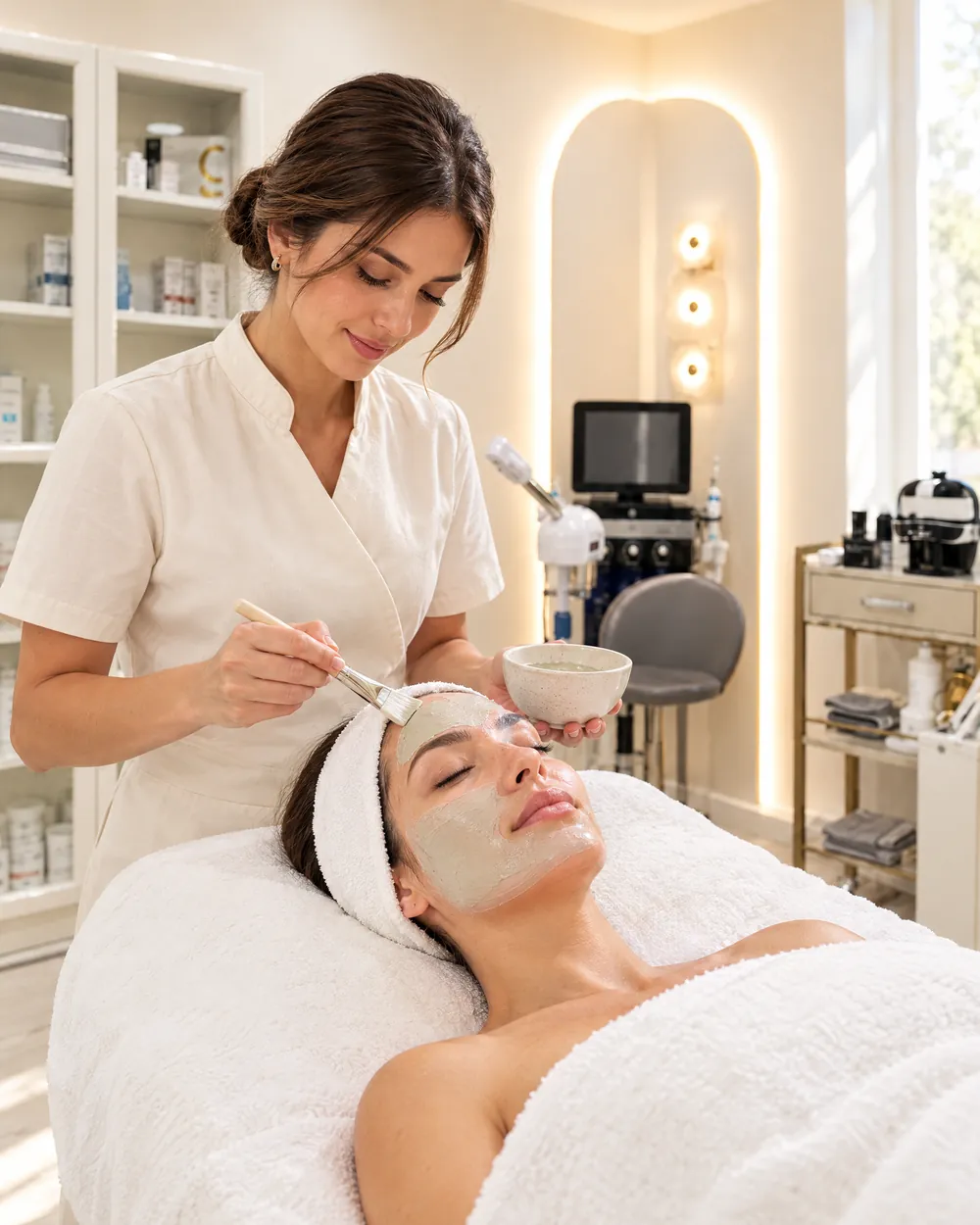
At Vega Beauty, every process starts with a consultation and skin analysis. Our specialist examines your skin area by area under a magnifying light and talks with you about your lifestyle, the products you use, your sun exposure, and how your skin has reacted in the past. This assessment takes place in one of our private, single-client rooms and forms the basis for any service we recommend afterward, such as the Classic Facial, Moisture Facial, or Professional Facial.
- Consultation: We talk through your routine, your expectations, and your skin's history.
- Visual and touch assessment: We check oil balance, texture, pore appearance, and sensitivity.
- Identifying your skin's current condition: We note temporary needs such as dehydration, visible pigmentation, or a weakened barrier.
- Personalized plan: Together we put together your care at the center and a suggested home routine.
If we notice anything during the analysis that may call for a medical evaluation, such as acne, intense redness, an itchy rash, or a changing mole, Vega Beauty will refer you to a dermatologist. A beauty center's role is care and support; diagnosis is a doctor's job.
When should you see a dermatologist?
If you have long-lasting redness, burning, crusting, severe and painful breakouts, or moles that have changed in shape or color, see a dermatologist before planning any care. These signs can point to something your skin type can't explain.
Frequently asked questions
Does skin type change with age?
The basic tendency usually stays the same, but oil production declines with age for most people. Skin that was oily in youth may move closer to combination or normal in later years. Hormonal phases, climate, and the products you use also affect how skin behaves, so it is useful to reassess your routine every few years.
How reliable is an at-home skin type test?
An at-home observation test gives you a useful clue, but it can't always distinguish conditions such as dehydration or barrier sensitivity. Repeating the test several times on different days makes the result more consistent. For a more detailed assessment, a professional skin analysis helps personalize your care plan.
What is my skin type if it feels both oily and dry?
This feeling usually points to either combination skin or dehydrated oily skin. If your T-zone shines while your cheeks feel tight, your skin may be close to combination. If your whole face shines and also feels tight, your skin may be losing moisture. In that case, dropping harsh cleansers and adding a light moisturizer supports balance for most people.
Is sensitive skin a separate skin type?
Most specialists consider sensitivity a trait that can appear in any skin type, not a separate type. Dry, oily, or combination skin can also be sensitive. For sensitive skin, fragrance-free products with short ingredient lists are recommended, along with trying new products on a small area first.
How long does a professional skin analysis take?
At Vega Beauty, the consultation and skin analysis usually take 20 to 30 minutes. During that time our specialist examines your skin area by area and listens to your routine and expectations. Afterward, we explain the care options that suit you and suggest a home routine. Pricing is shared at the consultation and depends on your personal plan.
What happens if I use a product that doesn't suit my skin type?
Unsuitable products can upset your skin's balance. On oily skin, heavy creams can make pores and blackheads more visible. On dry skin, harsh cleansers can cause tightness and flaking. On sensitive skin, redness and stinging may appear. If you notice a clear reaction, stop using the product, and if it continues, see a dermatologist.
Published: · Vega Beauty editorial team. This article is general information and does not replace a medical diagnosis or advice; whether a service suits you is assessed at your consultation. Cover photo: Authentic Stock / StockSnap (CC0).