Skin Care
What is a pigmentation protocol? The step-by-step process at a beauty center
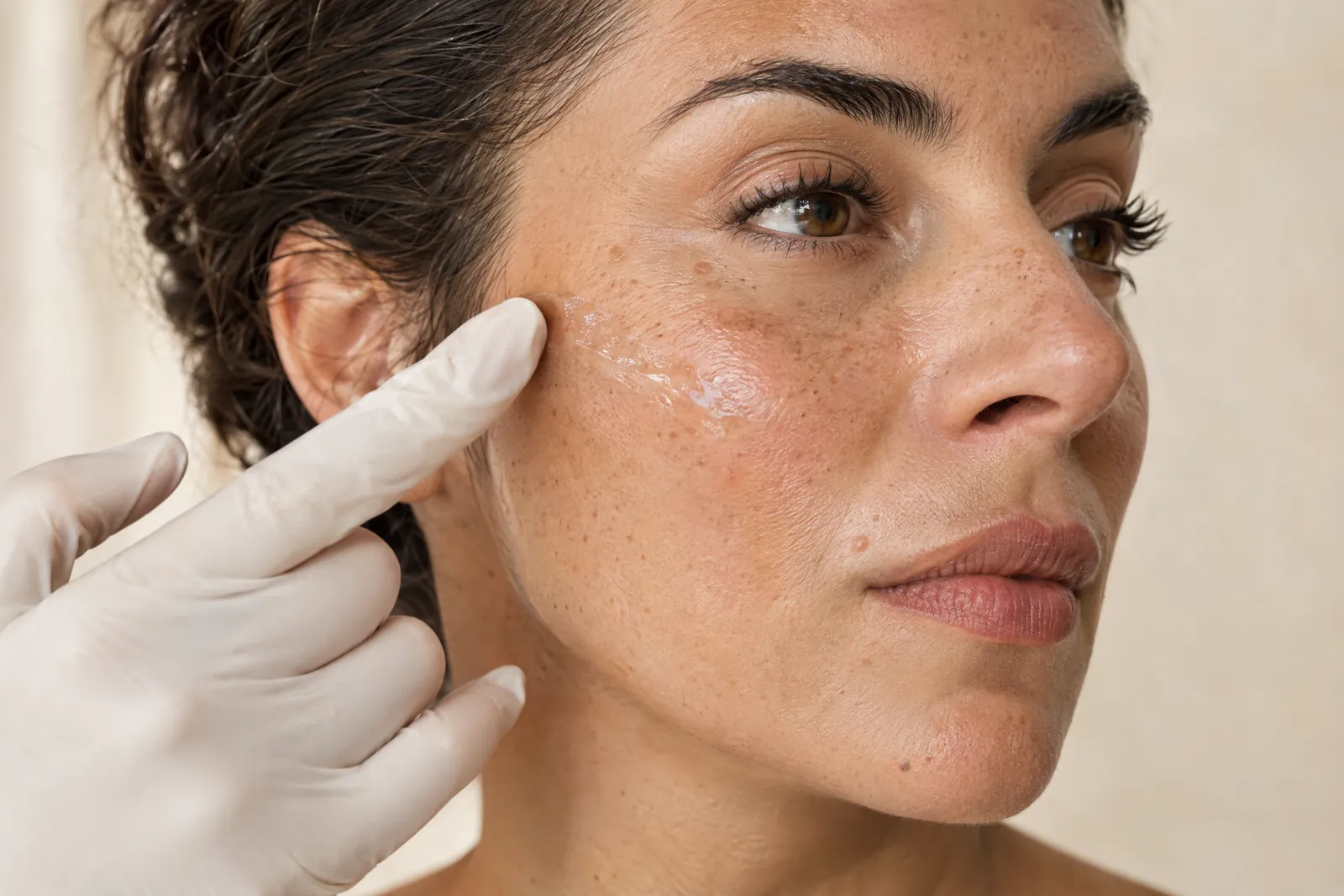
In short
A pigmentation protocol is a planned care process that aims to reduce the look of uneven skin tone. It starts with an analysis and unfolds over several weeks. At a beauty center, the process usually includes a skin analysis, gentle renewing care, device-supported sessions such as Oxygeneo, and consistent daily sun protection. With conditions such as melasma, you need to see a dermatologist first.
Dark areas on the face are often the first thing people notice in the mirror. Some are bothered by sun spots that show up after summer, others by marks left behind by acne, and others by widespread darkening that appears during hormonal phases. In this post we explain the different sources of pigmentation, the steps of a pigmentation protocol at a beauty center, and why the process takes patience.
What is pigmentation, and why does it happen?
Dark spots are differences in color that appear when the pigment melanin is produced more heavily or builds up in certain areas of the skin. Melanin is a natural pigment the skin makes to protect itself from the sun, but triggers such as sun, hormones, inflammation, and friction can increase its production in specific areas.
- Sunlight: Long, unprotected sun exposure is the most common trigger of dark spots.
- Hormonal changes: Pregnancy, birth control methods, and certain periodic changes can be associated with darkening.
- Marks after acne and inflammation: The brown or reddish areas left behind after a breakout.
- Friction and irritation: Harsh peels, squeezing, and scratching can increase the skin's defensive response.
- Age: Sun damage that accumulates over the years can become more visible, especially on the face and the backs of the hands.
How do sun spots, acne marks, and hormonal pigmentation differ?
These three types of pigmentation differ in where they appear, their color, and how they develop. The table below is only meant to give you a general idea. Only a dermatologist can assess what a given spot actually is.
| Appearance | Typical location | General features | When to see a doctor? |
|---|---|---|---|
| The look of sun spots | Forehead, cheekbones, nose, backs of the hands | Small, well-defined areas, light to dark brown | If the shape, color, or size changes |
| The look of post-acne marks | Where acne appeared, chin and cheeks | Reddish or brown, tend to fade over time | If active, heavy acne continues |
| The look of hormonal pigmentation | Cheeks, forehead, upper lip, in a symmetrical pattern | Broad areas with less defined edges | Always a dermatologist's assessment first |
In particular, broad, symmetrical dark areas on both sides of the face that deepen in the sun can be a sign of a condition such as melasma, which needs a medical assessment. In these cases, the care plan should follow the dermatologist's assessment and recommendations.
What is a pigmentation protocol, and who is it for?
A pigmentation protocol is a structured care plan that aims to make skin tone look more even and bright. It spreads across multiple sessions and is supported by care at home. Rather than a single session, it consists of complementary steps repeated at set intervals.
It is generally considered for people with sun-related uneven tone, the look of post-acne marks, dullness, and irregular skin tone. For widespread darkening that may be hormonal in origin, the protocol is planned with a dermatologist's approval and recommendations.
- May be suitable: Uneven tone after sun exposure, the look of post-acne marks, dull skin.
- Should be postponed: Recent heavy sun exposure, active irritation, open wounds, or burns.
- Need a doctor's assessment first: Suspected melasma, active and heavy acne, pregnancy, changing moles.
What are the steps of a pigmentation protocol at a beauty center?
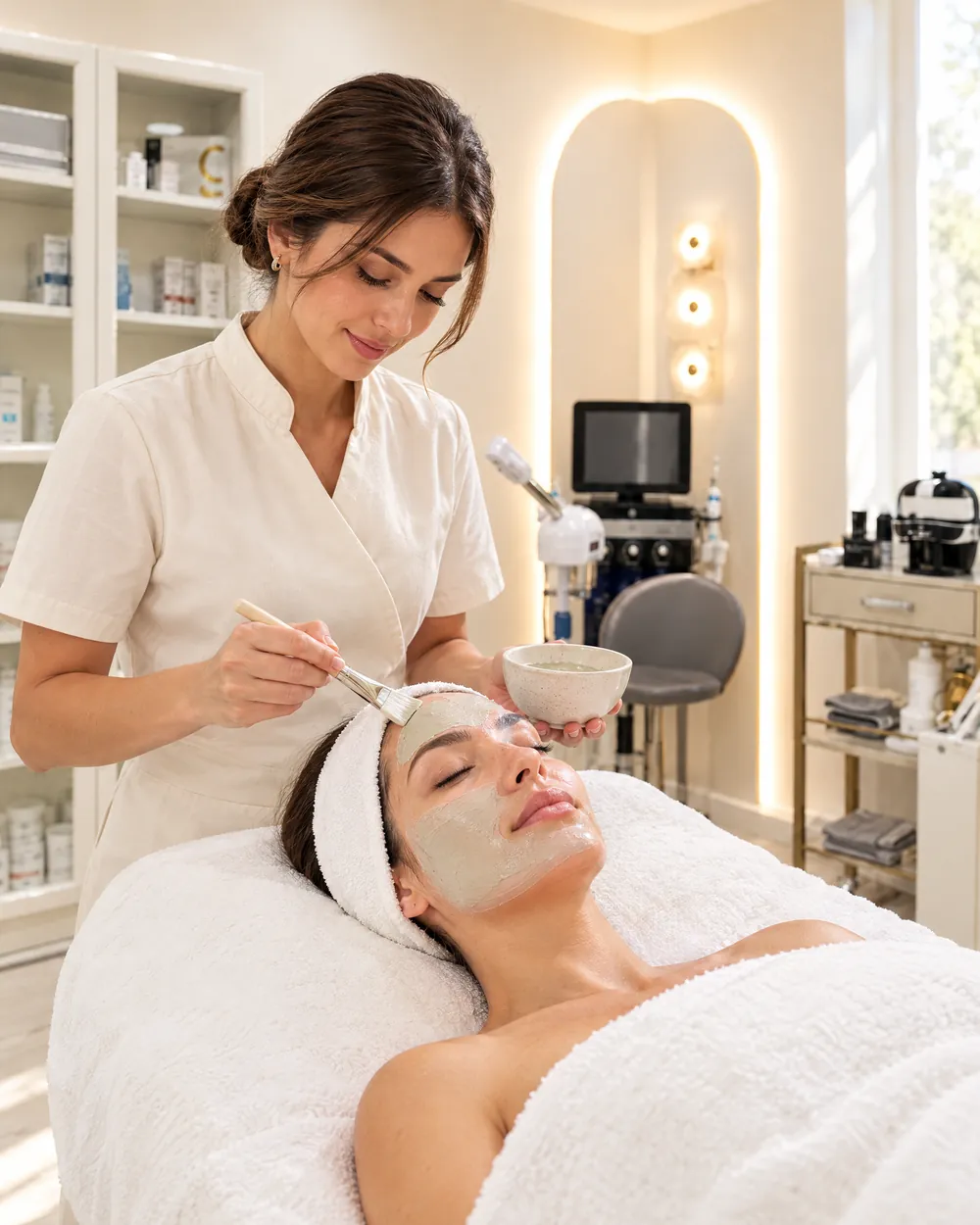
At a beauty center, a pigmentation protocol begins with an analysis, continues with gentle renewing care, and is backed by sun protection at every stage. At Vega Beauty we always plan this process for the individual. No one gets a one-size-fits-all package.
- Consultation and skin analysis: We assess where the pigmentation sits, your skin type, your sun exposure, and any services you have had in the past.
- Preparing the skin: Gentle cleansing, moisture support, and regular sun protection begin and continue for several days or weeks.
- Renewing care: Peels and renewing facials gently remove dead cells from the skin's surface.
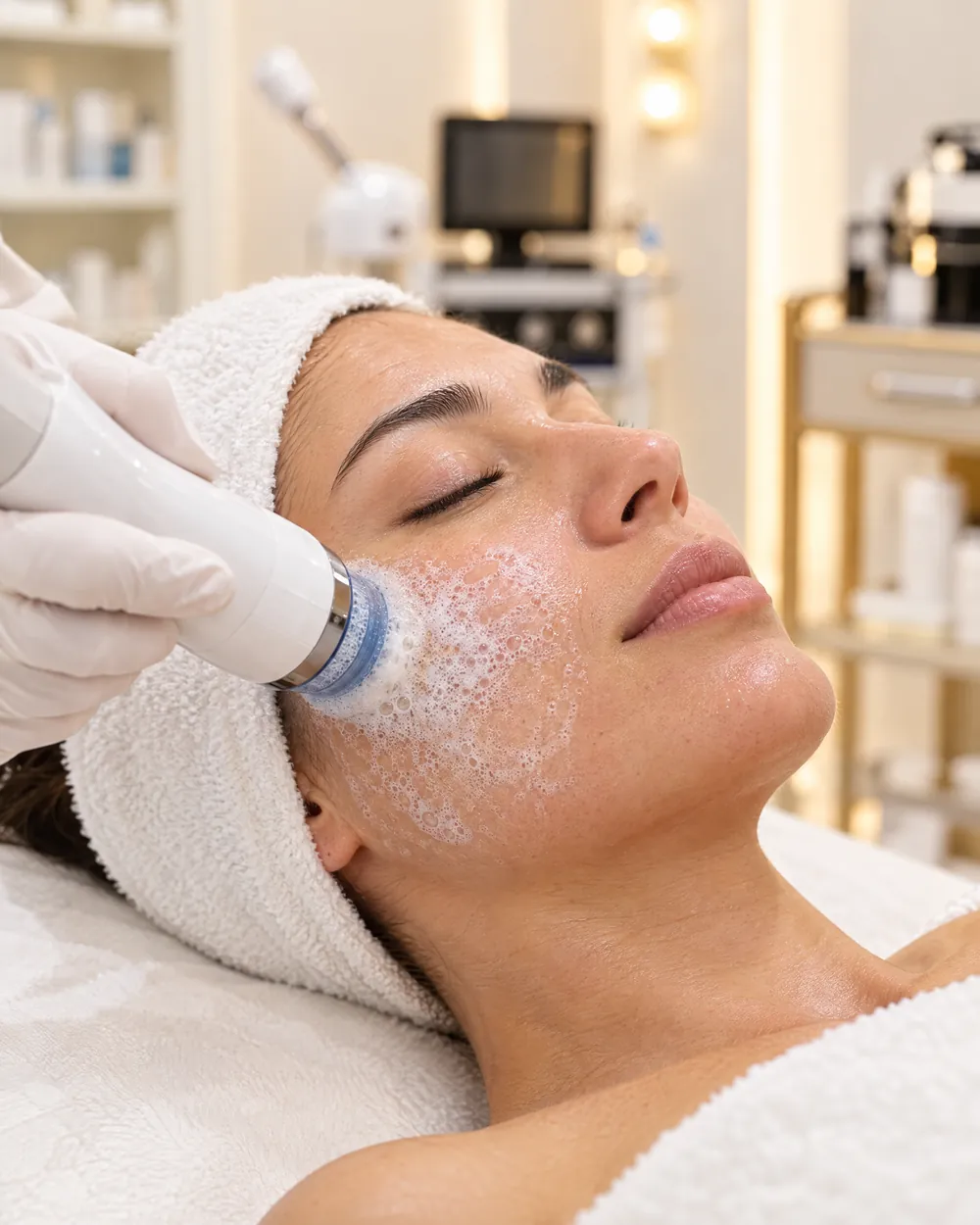
- Oxygeneo support: A light capsule exfoliation, oxygenating foam, and ultrasound steps support skin tone and radiance.
- Home care: A suitable moisturizer, brightening support, and sunscreen are planned for the days between sessions.
- Interim review: The skin is reassessed at set intervals, and the plan is updated if needed.
How does Oxygeneo contribute to a pigmentation protocol?
Oxygeneo is a device-supported facial that combines three steps in one session. In the first step, a special capsule gives the skin's surface a light exfoliation and gently removes dead cells. In the second, an oxygenating foam forms on the surface of the skin. In the third, ultrasound helps the care ingredients spread into the skin. The skin looks more lively and bright as a result, and regular sessions aim to contribute to a more even tone.
Why does a pigmentation protocol take time, and how long does it last?
A pigmentation protocol takes time because the skin needs a certain cycle to renew itself, and in most adults that cycle spans several weeks. The deeper the pigment and the more sun damage has accumulated, the longer it takes for the look to fade.
For most people, a protocol consists of several sessions spaced two to four weeks apart and spreads over a few months in total. The number and length of sessions vary from person to person, depending on the source of the pigmentation, skin type, age, and how consistently you use sun protection. Fall and winter are often considered more favorable times to start because the sun is less intense.
Dark spots don't form in a matter of weeks, and fading them takes patience, consistency, and sunscreen every single day.
What are the common misconceptions about dark spots?
The most common misconception is expecting a spot to disappear completely after a single session or with a single product. That expectation often leads to disappointment and to aggressive experiments that wear down the skin.
- “Lemon and baking soda lighten dark spots.” Home mixtures like these can irritate the skin and, combined with the sun, can increase darkening.
- “You don't need sunscreen in winter.” Winter sun reaches the skin too, and protection should continue through every season of a protocol.
- “The harsher the peel, the faster the results.” Over-peeling can increase the skin's defensive response and trigger new darkening.
- “Once you're using a dark spot cream, you're done.” Home care matters, but it only makes sense alongside analysis, regular care, and sun protection.
- “All dark spots are the same.” Sun-related, acne-related, and hormonal pigmentation call for different approaches, and some need a doctor's opinion first.
What should you watch for at home during a pigmentation protocol?
The most important thing to do at home during a protocol is to protect your skin and keep it moisturized without irritating it. What you do on the days in between supports the effect of your sessions at the center.
- Use a broad-spectrum, high-SPF sunscreen every morning, and reapply during the day.
- For the first few days after a session, stay away from saunas, hammams, tanning beds, and workouts that make you sweat heavily.
- Don't add acids, retinoids, or peeling products at home without your specialist's approval.
- Don't squeeze pimples. It can leave new marks.
- Keep your skin moisturized. Skin with a strong barrier responds to care in a more balanced way.
Which habits help prevent new dark spots?
Preventing new dark spots comes down to protecting your skin from the sun and from unnecessary irritation. The brighter look you gain during a protocol can darken again over time if daily habits don't support it, so some rules should stay part of your life after the sessions end.
- Apply sunscreen to your ears, neck, and the backs of your hands as well as your face.
- Try not to spend long periods outdoors around midday, when the sun is at its strongest.
- Wear a wide-brimmed hat and sunglasses in the city too, not just on vacation.
- Try to stop touching your face, picking at pimples, and peeling off scabs.
- Talk to your specialist before starting a new active product, and test it on a small area first.
- Support your skin's overall balance with enough sleep, a balanced diet, and plenty of water.
A skin analysis once or twice a year, especially at the end of summer, lets you catch small changes early and update your care plan in time. If this check turns up a spot or mole that has changed in shape, color, or size, you should see a dermatologist without delay.
How is a pigmentation protocol planned at Vega Beauty?
At Vega Beauty, a pigmentation protocol begins with a consultation and analysis in a private room at our center in Nişantaşı. Your specialist assesses where the pigmentation sits, your skin type, and your daily sun exposure, then prepares a personal plan that combines sessions at the center with a home routine.
If we notice anything during the analysis that may need a medical assessment, we refer you to a dermatologist before starting the protocol. We then update the care plan together in line with your doctor's recommendations. Pricing is shared at the consultation, based on your personal plan.
Frequently asked questions
How many sessions does a pigmentation protocol take?
The number of sessions varies from person to person. For most people, a protocol consists of several sessions spaced two to four weeks apart and spreads over a few months in total. The source of the pigmentation, your skin type, and how consistently you use sun protection shape the process. Rather than giving a single number, we prepare a personal plan based on the analysis at your consultation.
Can I do a pigmentation protocol in summer?
Some gentle care can be planned in summer too, but periods of intense sun are a more sensitive time for pigmentation. That's why many people prefer to start in fall or winter. Whatever the season, daily sun protection is an essential part of the process.
Can I get care at a beauty center if I have melasma?
Whenever melasma is suspected, you need to see a dermatologist first. Melasma is a condition that needs a medical assessment, and the wrong procedures can make it look worse. If your doctor approves, gentle, supportive care can be planned in line with their recommendations. At Vega Beauty we always refer clients to a doctor in these cases.
Is Oxygeneo enough on its own for dark spots?
Oxygeneo is a supportive facial that contributes to skin tone and radiance through light capsule exfoliation, oxygenating foam, and ultrasound. In a pigmentation protocol it is generally used not on its own but together with analysis, renewing care, a home routine, and regular sun protection. The right combination is decided at your consultation.
Do acne marks fade on their own over time?
For most people, the brown or reddish marks left after acne tend to fade over time, but this can take months. Skipping sun protection and picking at the marks can prolong it. Regular care and protection can support the process. If active acne continues, see a dermatologist first.
Does skin get red after a pigmentation protocol?
Depending on the care applied and how sensitive your skin is, you may see slight pinkness after a session, which usually passes quickly. If you notice long-lasting redness, burning, or crusting, let your specialist know and see a doctor if needed. Moisture and sun protection after a session help the skin settle.
Published: · Vega Beauty editorial team. This article is general information and does not replace a medical diagnosis or advice; whether a service suits you is assessed at your consultation.