Body & Contouring
What is lymphatic drainage massage? A guide to puffiness and feeling lighter
In short
Lymphatic drainage massage is a manual massage technique that uses light pressure and rhythmic, directed movements to support the natural flow of the lymphatic system. It helps ease the feelings of puffiness and heaviness caused by excess fluid in the tissues. Unlike classic massage, it works on the fluid flow just beneath the skin, not the muscles, and it is very relaxing.
Shoes that feel tight at the end of the day, heavy legs after a long flight, a puffy face in the morning: these are all familiar experiences tied to the body's fluid balance. Lymphatic drainage massage is a gentle technique people choose to ease these feelings. In this post, we explain the lymphatic system, how the massage is done, who it suits, and who should not have it.
What is lymphatic drainage massage?
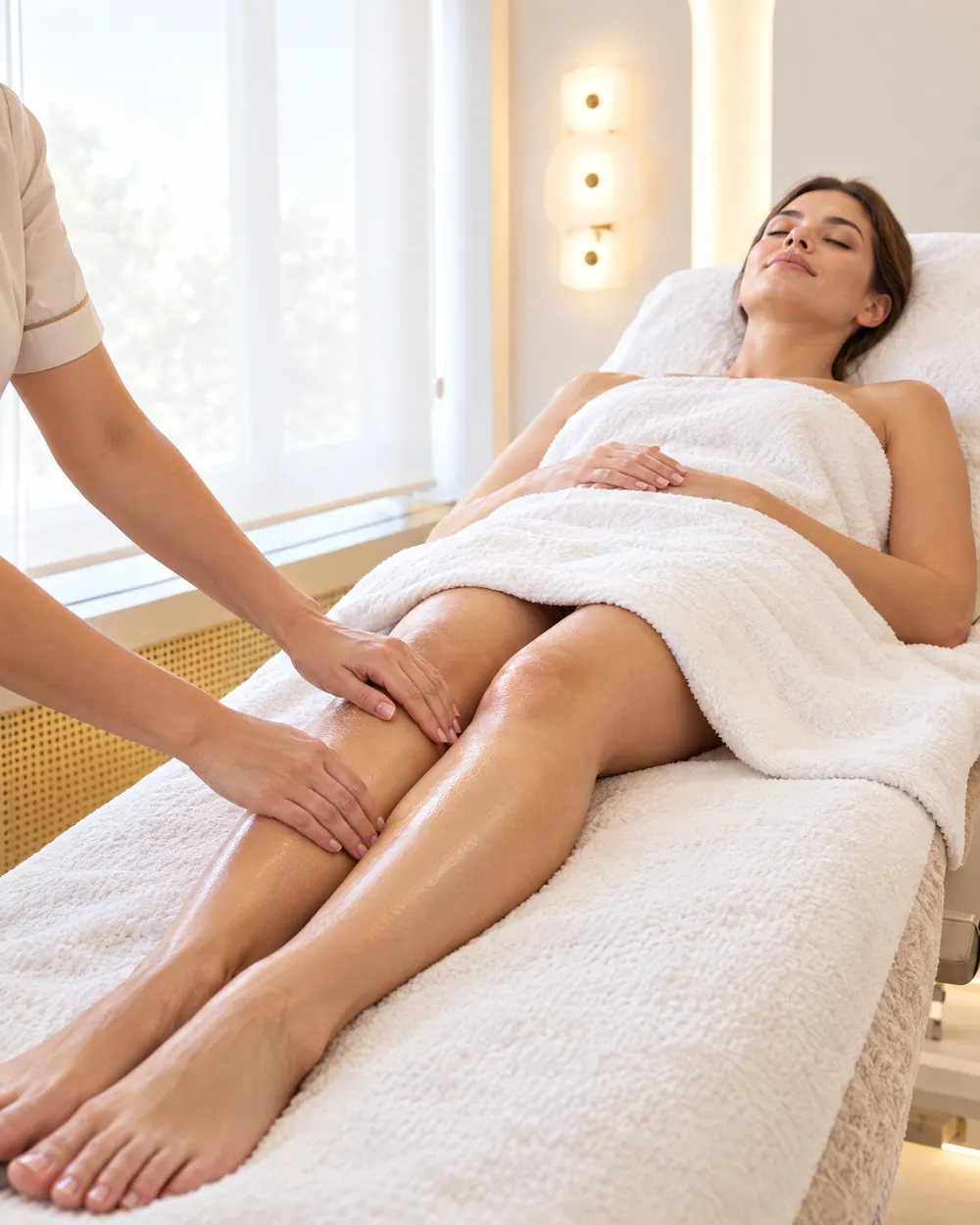
Lymphatic drainage massage is a very light, rhythmic manual massage that supports the flow of lymph toward the lymph nodes. The specialist touches the skin with soft circular and pumping movements, and the direction of those movements follows the natural direction of lymph flow.
This massage is done for beauty and relaxation. The most common reasons people choose it are heavy legs, a feeling of puffiness at the end of the day, and support for body contouring programs. Medical lymphedema, on the other hand, needs follow-up from a doctor and physical therapist and is outside the scope of a beauty center.
How does the lymphatic system work?
The lymphatic system is a network of thin vessels and lymph nodes that collects excess fluid from between the tissues and carries it back into circulation. The heart pumps the blood, but the lymphatic system has no such pump. Its flow comes largely from muscle contractions, breathing, and body movement.
That's why staying still for a long time can slow lymph flow. Long hours at a desk, long flights, hot weather, high salt intake, and hormonal phases can all increase fluid buildup in the tissues and the puffiness that comes with it.
- Lymph vessels: collect excess fluid from between the tissues.
- Lymph nodes: concentrated in areas such as the neck, underarms, groin, and backs of the knees.
- What drives the flow: muscle contractions, breathing, and body movement.
- What slows it down: inactivity, long flights, hot weather, high salt intake, and hormonal changes.
What causes edema and a feeling of puffiness?
A feeling of puffiness comes from more fluid than usual collecting between the tissues, and it's often tied to daily habits. Swelling around the ankles at the end of the day, heaviness linked to the menstrual cycle, and a puffy face the morning after a salty dinner are all examples.
Not every kind of swelling is something massage can ease, though. Swelling that starts suddenly in one leg, pain, redness, warmth, shortness of breath, or widespread and persistent edema can all be signs of other health problems. With these symptoms, massage is not an option, and you should see a doctor without delay. Vega Beauty does not diagnose and will refer you to a doctor in these situations.
How is lymphatic drainage massage done?
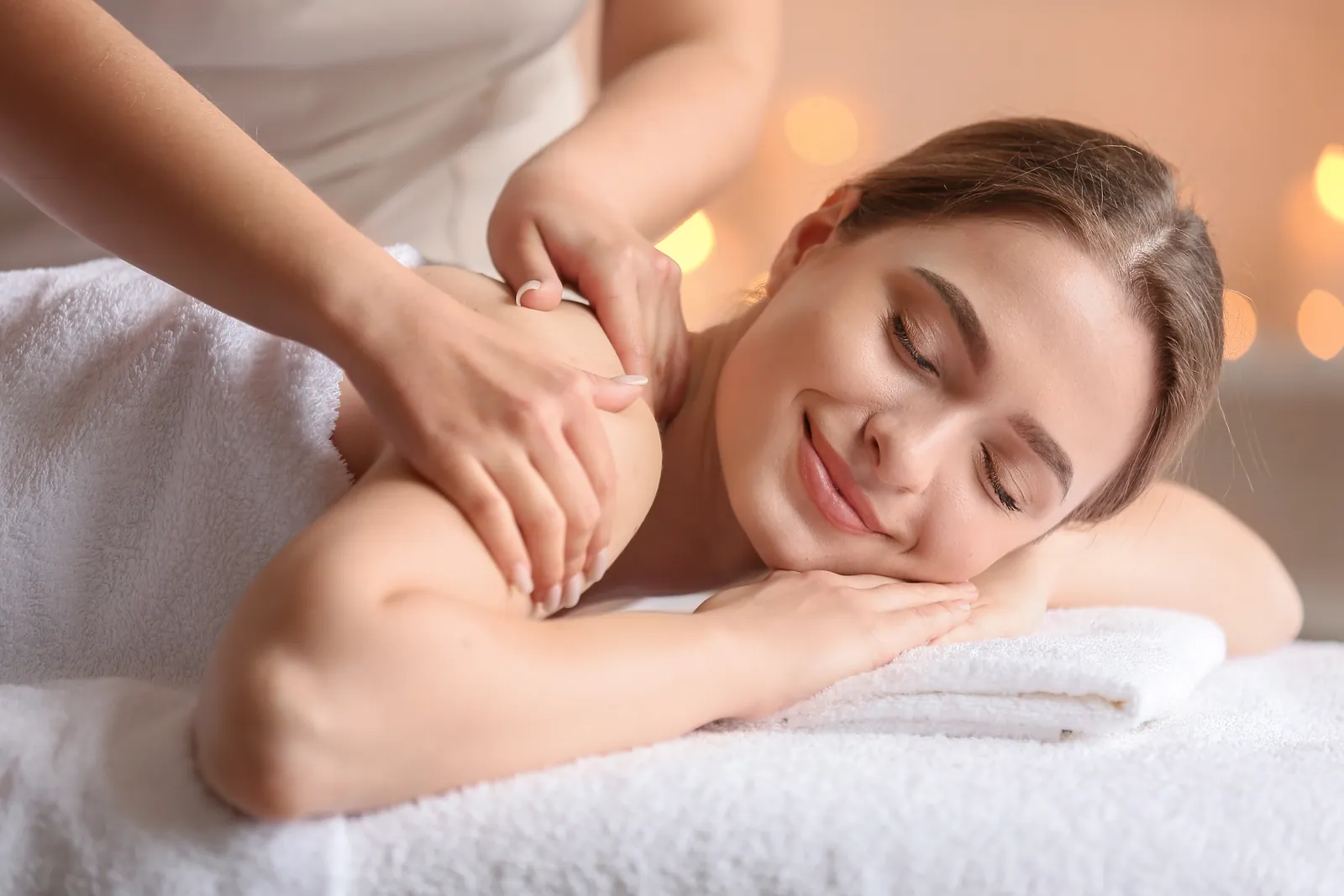
Lymphatic drainage massage is a manual technique done with very light, rhythmic movements, starting from the areas where the lymph nodes sit. The pressure is only enough to gently stretch the skin, with no deep pressure reaching the muscle. A session usually lasts 45 to 60 minutes.
- Consultation: We talk through your concerns, daily pace, health history, and any medications you take.
- Preparation: You lie down in a comfortable position, and breathing exercises help your body relax.
- Opening the node areas: Light pumping movements are done around the neck, underarms, and groin.
- Directed massage: Slow, rhythmic movements go from the legs and arms toward the trunk and heart.
- Closing: We share advice on water intake and movement after the session.
What is the difference between lymphatic drainage massage and classic massage?
The main difference between the two is the tissue they target and the pressure they use. Classic massage targets the muscles with firmer pressure, while lymphatic drainage targets the fluid flow just beneath the skin with very light touches.
| Feature | Lymphatic drainage massage | Classic massage |
|---|---|---|
| Target | Flow of lymph just beneath the skin | Muscles and muscle tension |
| Pressure | Very light, just enough to stretch the skin | Medium to firm |
| Rhythm | Slow, repetitive, pumping | Varied: kneading, stroking, rubbing |
| Direction | Toward the lymph nodes and heart | Varies by area and technique |
| Common reason to choose it | Feelings of puffiness and heaviness, support for body programs | Muscle tension and general relaxation |
| How you feel afterward | Lighter, relaxed, urinating more often | Loosened up, sometimes with mild muscle tenderness |
Who is lymphatic drainage massage suited to?
Lymphatic drainage massage suits healthy adults who want to ease the puffiness and heaviness that come with daily life. It's also often used as a supporting step in cellulite programs and body contouring services.
- People who feel heaviness and puffiness in their legs at the end of the day
- People who want to relax after a long flight or long periods of sitting or standing
- People planning a care program for the look of cellulite with fluid retention
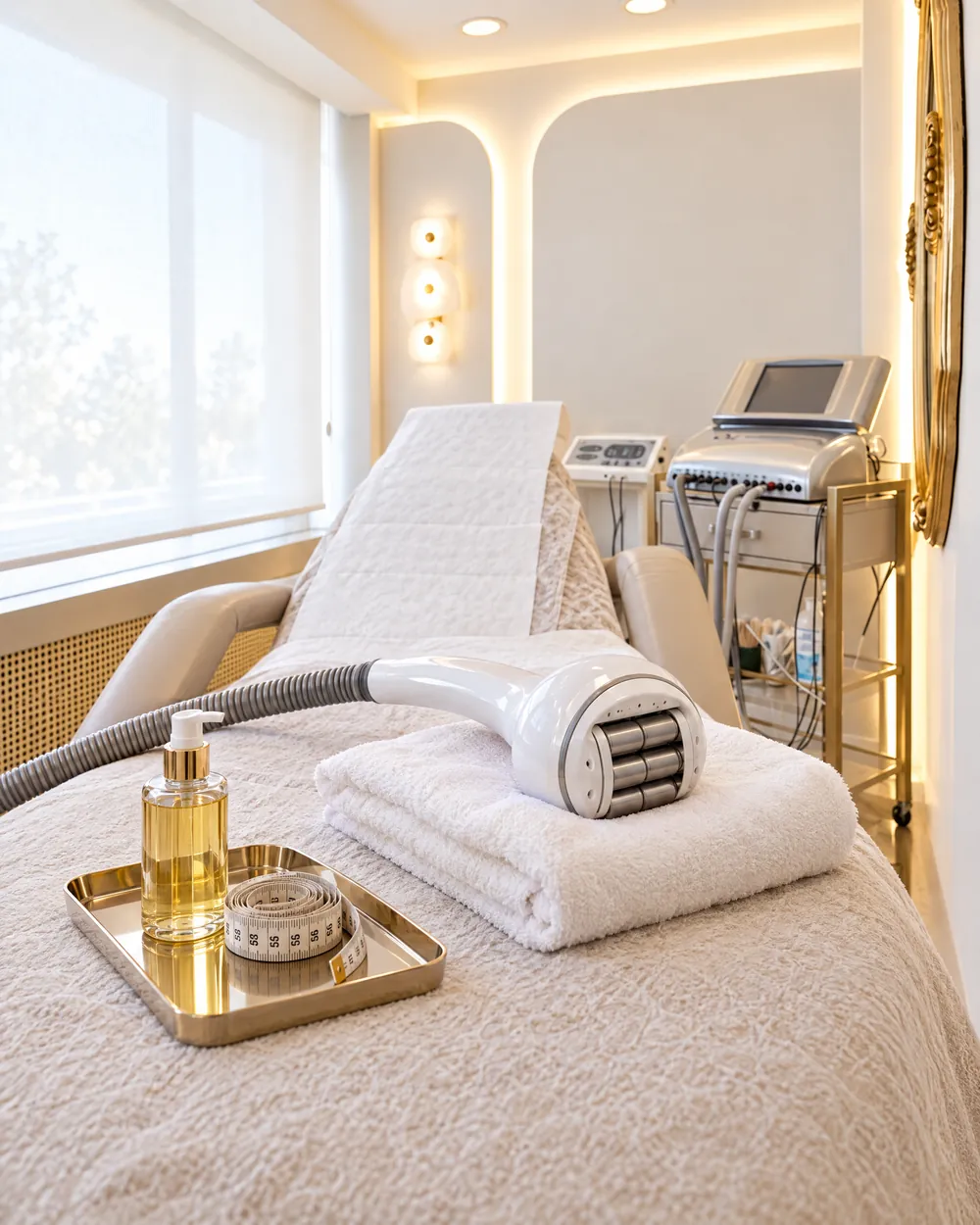
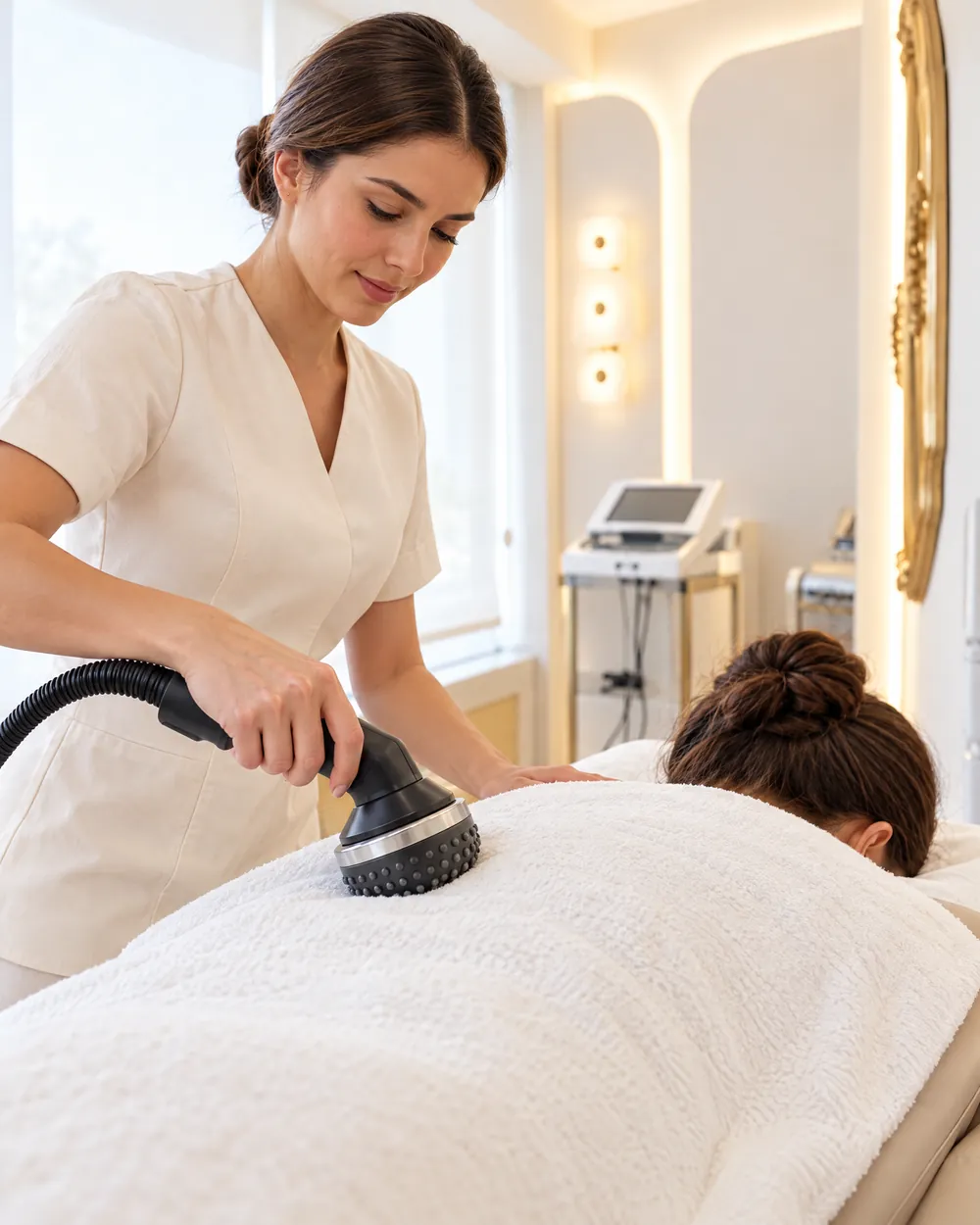
- People who want to round out a G5 Massage, Micro Plus, or EMS Body Contouring program with a supporting massage
- People with busy schedules looking for a gentle, relaxing massage
Who should not have lymphatic drainage massage?
Lymphatic drainage massage is gentle, but it affects fluid movement in the body, so it isn't done in some situations. In the cases below, it isn't done without a doctor's approval. If any of them applies to you, we recommend talking to your doctor first.
- Active infection, fever, or inflamed skin in the area
- Heart failure or uncontrolled heart conditions
- Suspected deep vein thrombosis or a history of thrombosis
- Kidney disease
- Active cancer or a history of cancer
- The period after surgery (planned only with a doctor's approval)
- Pregnancy (not done without a doctor's opinion)
The power of a gentle touch shows when it reaches the right person at the right time.
What are the common misconceptions about lymphatic drainage massage?
Because lymphatic drainage is such a light technique, people can come to it with very different expectations about its effect and purpose. These are the misconceptions we hear most often:
- “The harder the pressure, the more effective it is.” False. Lymph vessels sit just beneath the skin, and strong pressure doesn't support the flow.
- “Lymphatic drainage makes you slimmer.” False. It can ease a feeling of puffiness, but it doesn't reduce fat tissue and isn't a weight-loss method.
- “One session is enough.” Incomplete. You may feel lighter after one session, but keeping that effect depends on regular sessions and daily habits.
- “It can be done for any kind of swelling.” False. Sudden, one-sided, or painful swelling needs a doctor's evaluation.
Can lymphatic drainage be done on the face?
Yes, lymphatic drainage can also be done on the face and neck. It's a common choice for people who feel puffy around the eyes and cheeks in the morning, or who notice a tired look after a busy stretch with little sleep. The movements used on the face are even lighter than those on the body. They begin at the lymph nodes in the neck and move from the center of the face outward and down.
Facial lymphatic drainage can be planned on its own or as part of a facial. After the session, most people describe looking fresher and more relaxed. It isn't done if you have active inflamed acne, an open wound, an infection, or unexplained swelling on your face. In those situations, we recommend seeing a dermatologist or doctor first.
What can you do at home to support lymph flow?
Simple habits at home support lymph flow and help the feeling of lightness last between sessions. Because muscle movement and breathing act as the lymphatic system's pump, even small movements during the day can make a difference.
- Get up every hour: If you work at a desk, walk for a few minutes and rotate your ankles.
- Breathe deeply: Slow, deep breaths from the belly support lymph flow.
- Raise your legs: Prop them up on a pillow for 10 to 15 minutes at the end of the day.
- Spread your water through the day: Drink regularly instead of having a lot at once.
- Cut back on salt: Processed foods and ready-made sauces are hidden sources of salt.
- Move on flights: Get up now and then on long trips, and work your ankles in your seat.
These habits don't replace massage, but they do complement it. If the feeling of puffiness continues despite changing your habits, keeps getting worse, or comes with new symptoms, you should see a doctor, because it may be more than a care issue.
How often should you have sessions, and what about aftercare?
Depending on need, most people plan 1 to 2 sessions a week. When the massage is part of a cellulite or body contouring program, the session calendar is set to fit the other services. Single appointments for relaxation after a long flight or a busy stretch are also possible.
At Vega Beauty, Lymphatic Drainage Massage takes place in private rooms after a consultation. At our center in Nişantaşı, we listen to your concerns and health history, ask for a doctor's approval if needed, and decide on a suitable session frequency together. Pricing is also shared at the consultation, based on your personal plan.
Frequently asked questions
What does lymphatic drainage massage do?
Lymphatic drainage massage supports the natural flow of the lymphatic system and helps ease the feelings of puffiness and heaviness caused by excess fluid in the tissues. Because it's done with light, rhythmic touches, it's also relaxing. It's often chosen as a supporting step in cellulite and body contouring programs as well.
Who should not have lymphatic drainage massage?
It isn't done without a doctor's approval for people with an active infection or fever, heart failure, suspected thrombosis or a history of thrombosis, kidney disease, or active cancer or a history of cancer. The period after surgery and pregnancy also call for a doctor's opinion. If any of these applies to you, we recommend talking to your doctor first.
What is the difference between lymphatic drainage massage and classic massage?
Classic massage targets the muscles with medium to firm pressure. Lymphatic drainage massage targets the flow of lymph just beneath the skin, using very light, slow, pumping movements directed toward the lymph nodes and heart. That makes the two massages quite different in both purpose and feel.
How often should I have lymphatic drainage massage?
Depending on need, most people plan 1 to 2 sessions a week. When it's part of a cellulite or body contouring program, the calendar is set to fit the other services. Regular movement, enough water, and less salt help the feeling of lightness last longer.
Will lymphatic drainage massage make me slimmer?
No, lymphatic drainage massage is not a weight-loss method and doesn't reduce fat tissue. Because it can ease the puffiness caused by excess fluid in the tissues, you may feel lighter after a session. Don't confuse that feeling with weight loss; lasting change is tied to nutrition and movement.
What should I watch for after lymphatic drainage massage?
Drink plenty of water and take a short walk after your session. Staying away from salty, heavy food that day supports the feeling of lightness. It's normal to urinate more often. If you notice dizziness, unexpected swelling, or any other new symptom after a session, contact us and talk to your doctor.
Published: · Vega Beauty editorial team. This article is general information and does not replace a medical diagnosis or advice; whether a service suits you is assessed at your consultation. Cover photo: Authentic Stock / StockSnap (CC0).