Skin Care
What is the difference between dehydrated skin and dry skin?
In short
Dry skin is a skin type caused by not producing enough oil (lipids); dehydrated skin is a temporary condition that appears when the skin loses water. That's why oily skin can be dehydrated too. Dry skin needs lipid-supporting care, while dehydrated skin needs ingredients that help hold water and a strong moisture barrier.
“My skin is so dry” is one of the things we hear most often during skin analyses. Yet for a significant share of the clients who come in with this complaint, the real issue isn't dryness but dehydration. The two can feel alike, but their causes and needs are different, and misreading that need leads to the wrong product choices.
In this post we explain the difference between dehydrated skin and dry skin, how to tell the signs apart, the role of the moisture barrier, common myths, and how professional moisture care can support your skin.
What is dry skin?
Dry skin is a skin type in which the skin naturally doesn't produce enough sebum, or oil. It's linked to genetics and usually remains a noticeable trait throughout a person's life, though it can become more pronounced with age and hormonal changes.
A lack of oil weakens the skin's protective lipid layer. The skin then becomes more vulnerable to outside factors and can look flaky, with small, barely visible pores. Dry skin usually feels the same across the whole face and keeps its basic character even as the seasons change.
What is dehydrated skin?
Dehydrated skin is a state in which the upper layers of the skin don't hold enough water; it's a temporary condition, not a skin type. Any skin, whether dry, combination, normal, or oily, can be dehydrated. Air-conditioned spaces, cold weather, too little sleep, harsh cleansers, over-exfoliating, and sun are the main factors that increase the skin's water loss.
Dehydrated skin can get oily and feel tight at the same time. The skin may even produce more oil to make up for water loss, which is one of the most common reasons behind the complaint “my skin is oily and dry at once.”
How do you tell dehydrated skin from dry skin?
The most practical distinction is this: dry skin lacks oil, while dehydrated skin lacks water. The table below compares the two by their signs.
| Feature | Dry skin | Dehydrated skin |
|---|---|---|
| Main cause | Insufficient oil (lipid) production | Water loss from the skin |
| Definition | A skin type, linked to genetics | A temporary state, can occur in any skin type |
| Feel | Rough, coarse, flaky | Tight, less elastic |
| Appearance | Matte, small pores, flaking | Dull, tired, pronounced fine lines |
| Oiliness | Very little or none | Possible; oiliness and tightness together |
| Makeup | Flakes on dry areas | Cracks quickly and settles into lines |
| Main need | Lipid and barrier support | Water-holding ingredients and protecting the moisture barrier |
A simple observation you can make at home
Gently pinch the skin on your cheek between two fingers. If it wrinkles into many fine lines and recovers slowly when you let go, it may need moisture. This is only an observation that gives you an idea; a proper assessment requires a professional skin analysis.
What is the moisture barrier, and why does it break down?
The moisture barrier is the protective structure in the skin's topmost layer that keeps water in and irritants out. It's often compared to a brick wall: the cells are the bricks, and the ceramides, cholesterol, and fatty acids between them act as the mortar.
When this structure weakens, the skin loses water faster, becomes more sensitive, and reacts more easily to outside factors. Common habits that contribute to barrier breakdown include:
- Using harsh, heavily foaming cleansers that leave the skin “squeaky” clean.
- Applying peels and acid-based products more often than your skin can tolerate.
- Washing your face with very hot water and taking long, hot showers.
- Staying for long periods in air-conditioned or heated spaces without moisture support.
- Skipping sunscreen and regularly exposing your skin to UV rays.
- Adding many products with active ingredients to your routine at the same time.
Is drinking plenty of water enough to hydrate your skin?
No, drinking water alone is not enough to hydrate your skin. Daily water intake matters for overall health and contributes to your body's water balance, but the water you drink goes first to your internal organs, and only a limited share reaches the skin's topmost layer.
What really determines how well the skin's surface holds moisture is a sound barrier and support from water-holding ingredients applied from the outside. If the barrier is weak, moisture evaporates quickly no matter how much water you drink. So water intake and the right skin care should be thought of together, not as substitutes for each other.
Other common myths
- “Oily skin doesn't need moisturizer.” Oily skin can be dehydrated too; light, oil-free moisturizers matter for this skin as well.
- “The tighter the skin feels, the cleaner it is.” Tightness is a sign not of cleanliness but of a strained barrier.
- “All dry skin needs is a rich cream.” Dry skin loses water too; water-holding ingredients and lipids should be used together.
- “You should use a moisture mask every day.” Masks are supportive; the real difference comes from a regular daily routine.
Which types of ingredients support your skin's moisture needs?
Ingredients used in moisture care generally fall into three groups, often rounded out by soothing ingredients, and most skin benefits from a balanced combination of them. Focusing on ingredient types rather than a specific brand makes it easier to choose the right product for your skin.
- Humectants: Ingredients such as hyaluronic acid, glycerin, and panthenol help draw water into the skin and hold it there; they are dehydrated skin's closest allies.
- Barrier supporters: Ceramides, cholesterol, and fatty acids strengthen the barrier's “mortar” and help reduce water loss.
- Occlusives: Plant oils and oil-based ingredients form a thin layer on the skin's surface that slows the evaporation of moisture; they stand out for dry skin.
- Soothers: Ingredients such as niacinamide, allantoin, and aloe vera support comfort in sensitized skin.
What should a routine for dehydrated and dry skin look like?
In both cases the goal is to protect the skin's barrier and give it what it needs in the right order. The steps below offer a general framework.
- Wash your face with lukewarm water and a gentle, low-foam cleanser; avoid hot water.
- While your skin is slightly damp, apply a toner or serum with humectants.
- Choose a richer, lipid-based moisturizer for dry skin, or a light gel moisturizer for skin that's dehydrated but oily.
- Don't skip sunscreen in the morning; UV rays are among the factors that weaken the barrier.
- Limit peels to once a week, and take a break when your skin becomes sensitive.
- During heating and air-conditioning season, raising indoor humidity and drinking water regularly supports your routine.
How do moisture needs change with the seasons?
Your skin's moisture needs don't stay the same year-round. In winter, cold air and radiators lower the humidity in the air and speed up the skin's water loss, so richer moisturizers and barrier-supporting ingredients take priority. In summer, air conditioning, sun, and sweat strain the skin in a different way, and light gel textures and regular sun protection become more important.
Seasonal transitions are when skin is under the most strain. Reviewing your routine in fall and spring, adjusting product textures to what your skin needs at that moment, and if needed preparing it for the new season with a professional moisture session all help maintain comfort.
Lifestyle habits that increase moisture loss
Too little sleep, heavy caffeine and alcohol intake, long flights, and stress are among the factors that can make skin look duller and more tired. You can't always eliminate these completely, but adding extra moisture support to your home routine and drinking plenty of water during these periods helps maintain balance.
When is professional moisture care needed?
If your skin stays tight, dull, and tired for a long time despite your home routine, professional moisture care can offer strong support. Skin especially needs extra support during seasonal changes, after long flights, and in very stressful periods.
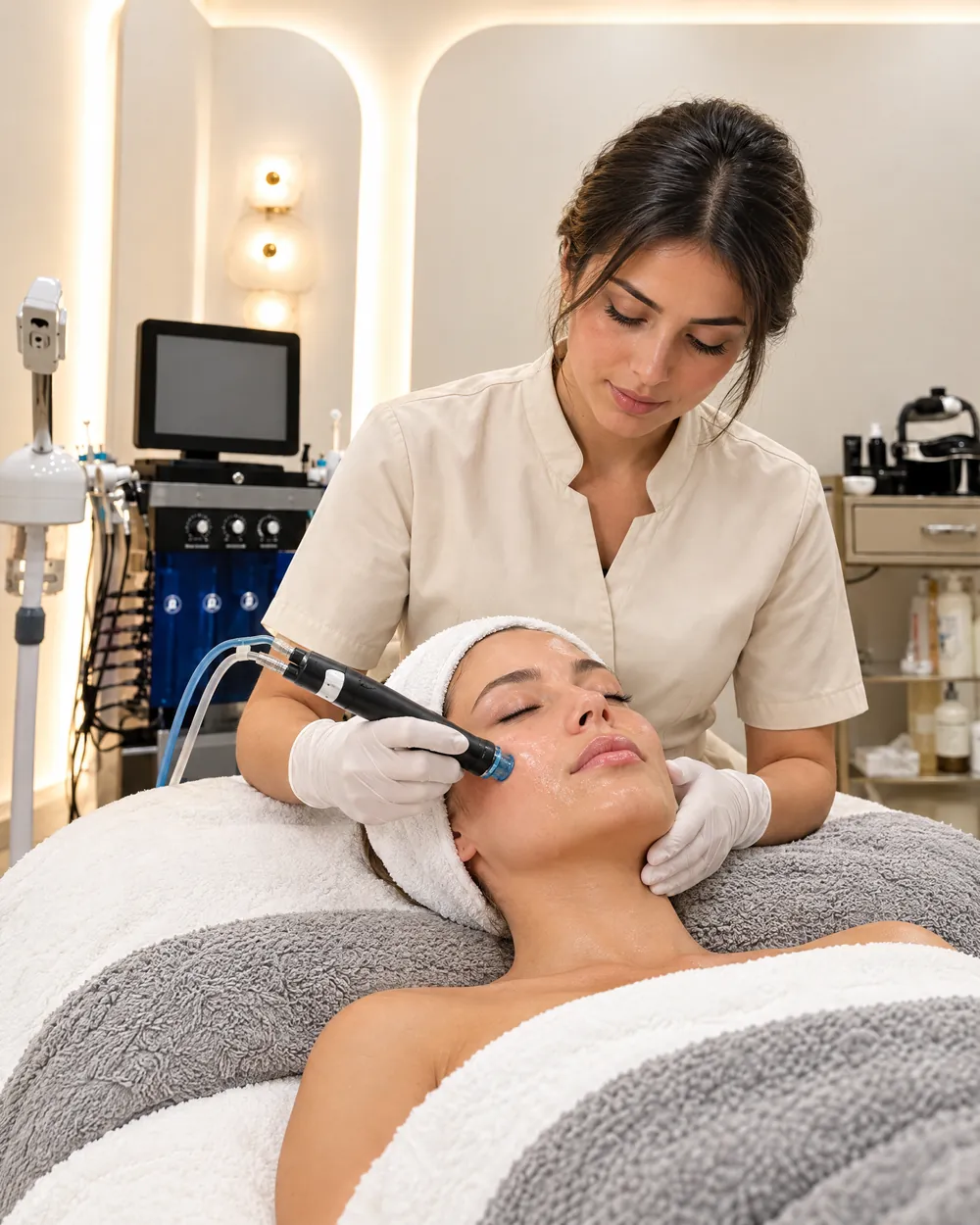
At Vega Beauty, moisture care starts with a consultation and a skin analysis. We assess whether your skin is dry or dehydrated, the condition of your barrier, and your level of sensitivity, then prepare a plan for you. Hydrafacial is a device-assisted service that offers intensive moisture support while cleansing the skin, and the Moisture Facial protocol focuses on supporting the skin's water balance. Sessions take place in private rooms at our center in Nişantaşı.
Signs such as intense redness, itching, cracking, or flaking that won't go away can be linked to a skin condition. In that case, you should see a dermatologist; Vega Beauty also refers clients to a doctor when it notices such signs during an analysis.
Even oily skin can run short of water; the right care starts with understanding what your skin needs.
Frequently asked questions
Can oily skin be dehydrated?
Yes, oily skin can be dehydrated too. Dehydration isn't a skin type but a temporary state in which the skin loses water. Oily skin that's short on water may produce more oil to make up for the loss. That's why it's important for oily skin, too, to use light moisturizers with water-holding ingredients.
How can I tell whether my skin is dry or dehydrated?
Dry skin is usually rough, flaky, and not oily; dehydrated skin looks tight and dull with pronounced fine lines, and it can also get oily. Observing at home gives you an idea, but the most accurate distinction comes from a professional skin analysis. At Vega Beauty, every session starts with this analysis.
Does drinking 2–3 liters of water a day hydrate the skin?
Drinking water matters for overall health and your body's water balance, but on its own it isn't enough to hydrate the skin's topmost layer. What determines how well the skin's surface holds moisture is a sound moisture barrier and water-holding ingredients applied from the outside. The two should be thought of together.
Does hyaluronic acid suit every skin type?
Hyaluronic acid is a humectant that helps draw water into the skin and hold it there, and most skin types tolerate it well. To get more from it, apply it to damp skin and follow with a moisturizer. With sensitive skin, it helps to try a new product on a small area first.
How long does the moisture barrier take to recover?
This varies from person to person, depending on how strained the barrier is and how carefully you follow your routine. Most people feel more comfortable within a few weeks of dropping harsh products and moving to a gentle routine. If the signs continue, you should see a dermatologist.
Is Hydrafacial suitable for dehydrated skin?
Because Hydrafacial is a device-assisted service that offers intensive moisture support while cleansing the skin, it's one of the options often chosen for dehydrated skin. Suitability and session frequency are decided for you individually, based on the skin analysis at your Vega Beauty consultation.
Published: · Vega Beauty editorial team. This article is general information and does not replace a medical diagnosis or advice; whether a service suits you is assessed at your consultation.